Contents
ToggleWhat we'll cover...
The best eco-friendly heating options to consider for compact spaces.
How to achieve compact style and savings
When it comes to heating small rooms, the challenge is twofold: you want to stay cosy, but you don’t want to roast yourself into a coma. Essentially, working out how to achieve energy-saving heating for small rooms has become a key facet in keeping your home toasty without wrecking your energy bills.
The good news? Heating a compact space with smarter control can prove one of the easiest wins around when you’re looking to cut energy usage and still enjoy all the benefits of modern radiators or electric heaters. It’s all about selecting the right products with the right features, and using them smartly from the off.
No matter if it’s a box bedroom, home office, utility nook or even a glorified cupboard masquerading as a nursery, here’s how to heat your small space with energy preservation in mind, without any compromise on comfort, cost or design.
What makes for energy-saving heating?
Before we dive into the products and options, let’s define what we really mean by “energy-saving” in a home heating context:
- Lower energy consumption (without compromised performance)
- Better retention of heat
- Smarter control (so you only use what you need)
- Optimal materials and manufacturing to heat quickly
- Compatibility with renewables or off-grid sources
In smaller rooms, a massive heat output is not a requirement. You need precision, speed and control. And thankfully, modern heating systems have evolved to deliver just that.
The best heating options for small rooms
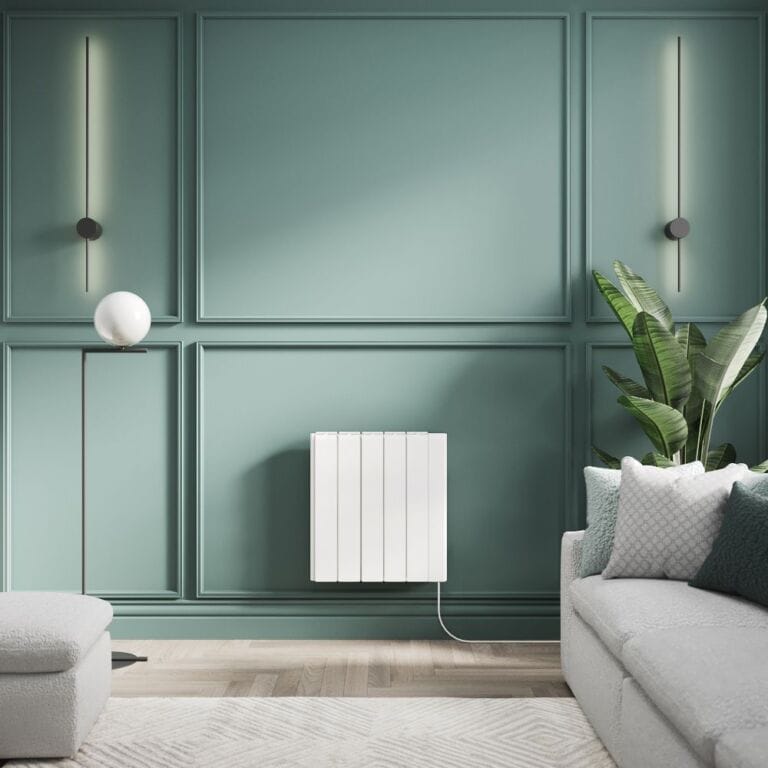
1. Electric radiators
Ideal for: Bedrooms, box rooms, garden offices, annexes
Electric radiators are sometimes dismissed by those who prefer to stick to their tried and tested, but when you go for a Lot 20 compliant model, you’re getting a whole bundle of energy-saving tech by default. We’re talking:
- Programmable timers
- Open window detection
- Adaptive start and eco modes
And because they run independently from your central heating, they’re perfect for zoned warmth. There’s no need to fire up the whole system to heat a single space.
Ideal for: Hallways, utility rooms, en-suites
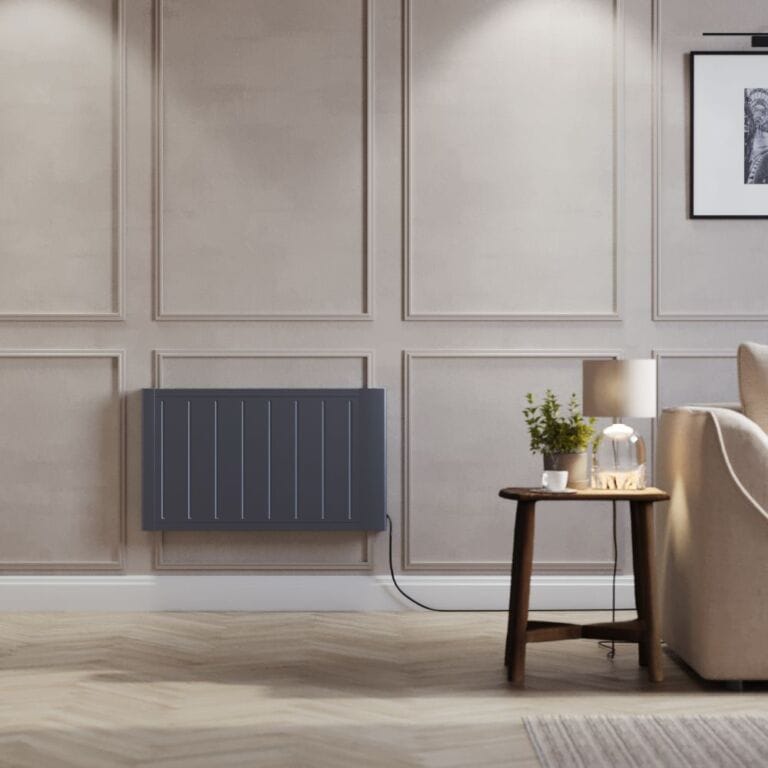
If you’re sticking with a plumbed system, opt for radiators that use less water but still deliver a quick burst of heat. Less water means less energy is needed for them to warm up.
These are:
- Faster to respond to thermostatic controls
- Lighter on your boiler
- Perfect for short, sharp heating spells
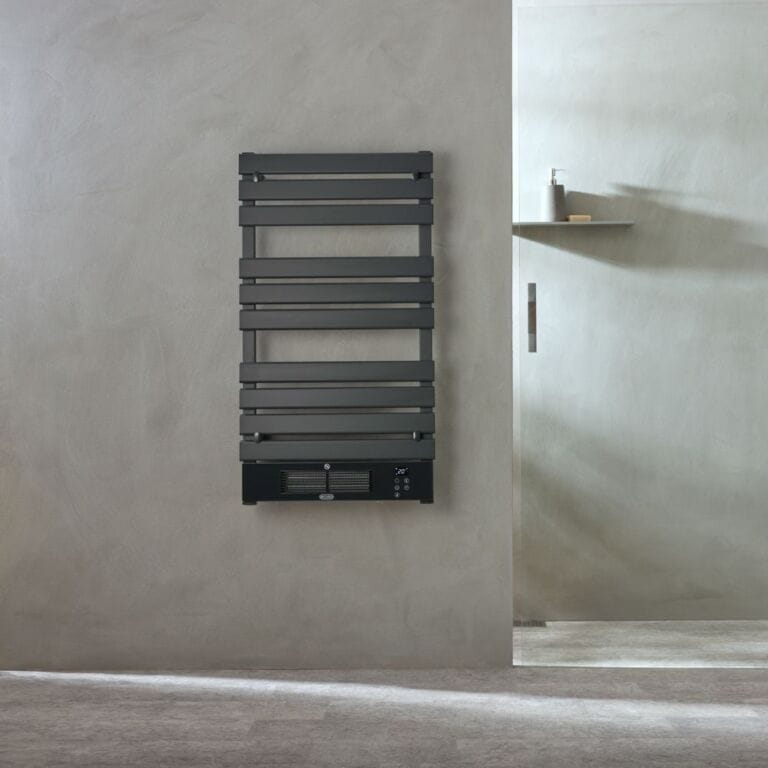
3. Dual fuel towel radiators
Ideal for: Small bathrooms, cloakrooms, and en-suites
Not just for towels. A dual fuel towel radiator lets you switch between making use of the central heating supply in winter and electricity in the summer. That provides the potential for year-round efficiency for your smallest rooms, and a whole lot fewer damp towels in the process.
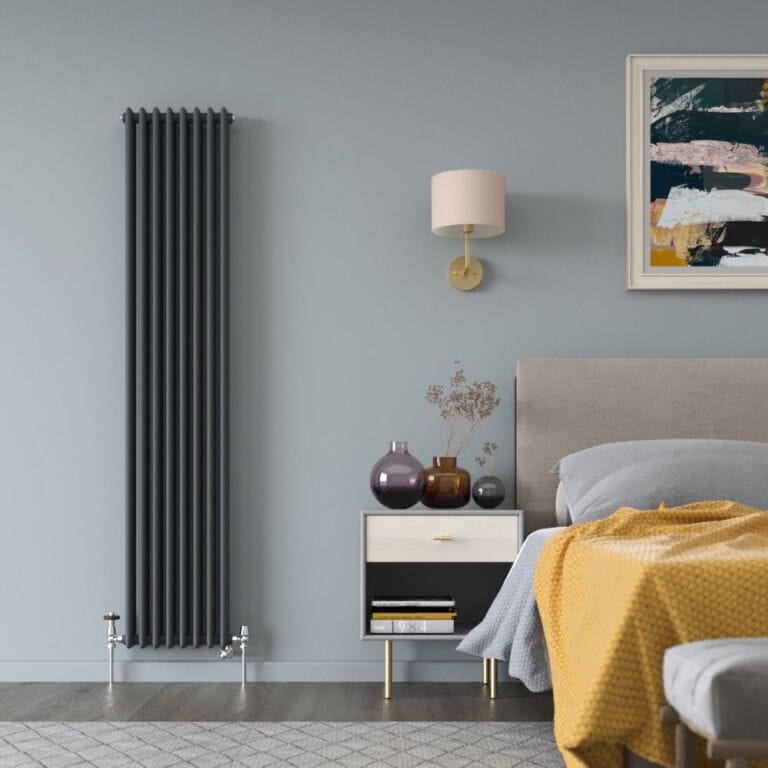
4. Smart heating controls
Ideal for: Every small room you want to heat cleverly
In relation to smart heating controls, it’s less about the radiator, and more about how you use it. Add smart thermostats, TRVs or zoned controls and you’ll:
- Only heat the rooms you’re using
- Set specific times for small space warmth
- Track usage and optimise performance
Extra tips for small room heating
- Insulate well – Small rooms are often poorly insulated. Ensure doors are draught-proofed, add thermal curtains, and sort out dodgy or outdated windows with a double-glazing upgrade.
- Use reflective panels – Stick heat-reflective panels behind your radiator to bounce warmth back into the room.
- Position it smartly – Find the optimal spot to position your radiator. Place your radiator under a window (if you have one) for better airflow and heat distribution.
- Close the door – Obvious, but effective. Trap that heat inside the space.
Don't choose oversized radiators
In a small room, more doesn’t necessarily mean more. Overpowering your radiator can lead to:
- Wasteful short cycling (constant on/off switches)
- Overheating
- Damp or condensation resulting from poor airflow
Use a BTU calculator to size the radiator just right for the space. A compact aluminium radiator might do the trick in a matter of minutes, negating the need for a larger, heavier and clunkier version that would take up much more room.
Materials matter too
When choosing energy-saving heating for a small space, the build material plays a big role:
- Aluminium: Quick to heat, quick to cool, and thus works efficiently for short bursts of warmth. It’s also a recyclable material.
- Mild steel: Retains heat for longer, making it an ideal option to provide steady, gentle warmth.
- Cast iron: Cast iron radiators are typically not ideal for small rooms. They can be considered a touch too slow to react, and heavy on energy in that they take a while to warm up and cool down.
Explore energy-saving heating solutions with BestHeating
Energy-saving heating in a small room isn’t about cutting corners- it’s about making smart home heating choices that make sense with regards to the size and needs of the space.
By choosing the correct radiator type, using clever controls, and avoiding energy overkill, you can keep your cosy corners warm without maxing out the thermostat or breaking the bank.
Who doesn’t want a snug home office or guest bedroom that costs pennies to heat and still feels like a treat?
Keep us up to date with your energy-saving heating upgrades in the comments, or by reaching out to us on Instagram, Facebook or X.
Frequently Asked Questions
Yes. When powered by renewable energy or a green tariff, electric radiators produce zero emissions at their point of use.
Check with your energy provider to ensure you have the very best and up to date info – this will assist you in understanding if your electric radiator is eco-friendly.
Dry heat thermal radiators offer several practical advantages over traditional wet central heating and oil-filled electric models –
- Zero leak risk – Because they contain no internal fluids, there is no chance of messy oil leaks, burst pipes, or corrosion over time.
- Lightweight and easy to install – Without heavy liquid reservoirs, dry heat models are lighter to handle and straightforward to wall-mount in almost any room.
- Maintenance-free operation – There is no need for annual boiler servicing, system bleeding, or fluid top-ups once installed.
- Even, comfortable warmth – Solid cores distribute heat steadily through a mix of radiant and convected warmth, reducing cold spots and dry air.
For a deeper insight, explore our guide, An Introduction To Dry Heat Thermal Radiators.
John is a Research Specialist for the Best Heating Advice Centre, where for over a decade he has dedicated himself to demystifying home heating for our customers. He specialises in creating clear, data-driven guides and how-to articles by collaborating directly with our team of certified heating experts and product engineers.
His work, built on a foundation of journalistic research, has helped millions of readers make confident and informed decisions about their home heating. When he’s not breaking down the heat output differentials from radiators to heated towel rails, John fancies himself as a fine football and music connoisseur.


