
What we’ll cover…
-
- The adjustment of thermostat settings to ensure optimal heating efficiency
-
- Why and how to improve home insulation (windows, doors, walls, lofts)
-
- Usage of programmable thermostats and thermostatic radiator valves (TRVs) to enhance efficiency and preserve energy
-
- How weatherstripping and caulking can assist in eliminating draughts
-
- Tips for efficient heating system operation and maintenance
-
- Adopting energy-saving practices (switching lights off, unplugging devices)
-
- Making the switch to energy-efficient lighting and devices
-
- Improving water heating efficiency (investment in low-flow fixtures, insulation etc.)
-
- Choosing warmer clothing to reduce heating requirements
-
- Considering the jump to a different energy supplier with better rates
-
- How to conduct home energy audits to pinpoint potential areas for improvement
-
- Cost-effective advice regarding professional services and DIY tips to preserve energy
Helpful hints to save energy in winter
Winter heating doesn’t have to mean a shock when the bill arrives. Small changes in how you heat, insulate and use your home can add up to meaningful savings over the course of the season, and most of them cost nothing to try.
This can be especially useful when you consider that UK domestic fuel prices are amongst the highest in Europe.
So from blocking draughts to switching suppliers, to shutting doors and getting the right mobile apps, here are our 19 BEST Winter Energy Saving Tips to make the season more bearable.
Energy-saving quicklist!
-
- Turn heating down by one degree
-
- Wear a jumper (or two!)
-
- Get cavity wall insulation
-
- Get loft insulation
-
- Get an app
-
- Set different temperatures in each room
-
- Programme your heating
-
- Buy radiator foil
-
- Buy a radiator booster
-
- Don’t block your radiators
-
- Get a radiator shelf
-
- Invest in a brass radiator key
-
- Start TRV’s off at low temperatures
-
- Remember holiday heating
-
- Block any draughts
-
- Shut your doors
-
- Get double or triple glazing
-
- Open and close your curtains
-
- Switch your supplier
-
- Do a free home energy check
To learn more about each of the points above, read on and get your home winter ready AND save money on those ever-increasing winter fuel bills!
1 – Turn down the heat by one degree
The smallest of margins can make a huge difference. According to British Gas, if you turn down the heat on your thermostat by a single degree you can save up to 10% on your energy bill.
2 – Increase the layers
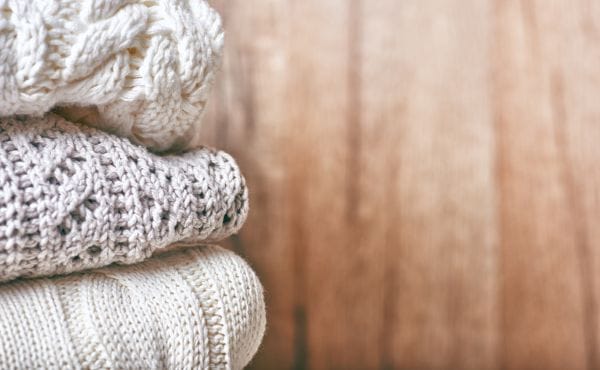
Putting on a jumper (or even two jumpers), snuggling under a blanket and doubling up the thermal wear is an effective and cheap way to get yourself warmer; allowing you to keep the thermostat a degree or two lower without feeling the difference.
3 – Fill in those wall cavities
The savings to be made with cavity wall insulation vary greatly depending upon what kind of house you live in, but let’s face it savings are savings no matter how big your wallet is.
EDF Energy believe that good cavity wall insulation is one of the best and most affordable ways to enhance the energy efficiency of your home, and estimate it can last up to 42 years, with the potential to save a significant amount on energy bills each year.
4 – Loft insulation rules, ok!
British Gas could also give you loft insulation for free; they’re not bad really, are they!
All you need to do is answer a few questions to see if your home makes the grade (about 9 in every 10 will) and an installer will be around to get your loft insulated in less than a day.
5 – There’s an app for that
If you have a thermostat that can connect to a mobile device then the Milano Connect might be the way forward for you.
Compatible with iOS and Android, the Milano Connect is controllable from the free Smart Life app, which allows the user to create custom heating schedules and zones, and adjust temperature and settings remotely from a mobile or smart device. This is especially useful to preserve energy, ensuring the heating is only switched on and in use when required.

6 – Set different temperatures in each room
Though not the easiest thing to remember, setting radiators at different temperatures is useful.
Let’s say, like most of us, you’re ‘chilling’ out in the living room in the evening, but you’ll want a bit of heat in the bedroom for when you decide to hit the hay.
You should keep the heating on at a low temperature upstairs because this will save you money on your heating and help you to not freeze in bed.
7 – Programme your heating
Automatic is good!
With an automatic timer you can set your heating to go on and off at varying points throughout the day. Programmers are great because they allow you to set different temperatures for each day of the week and mean you can customise the settings to their most efficient and effective positions.
8 – Foil up those radiators
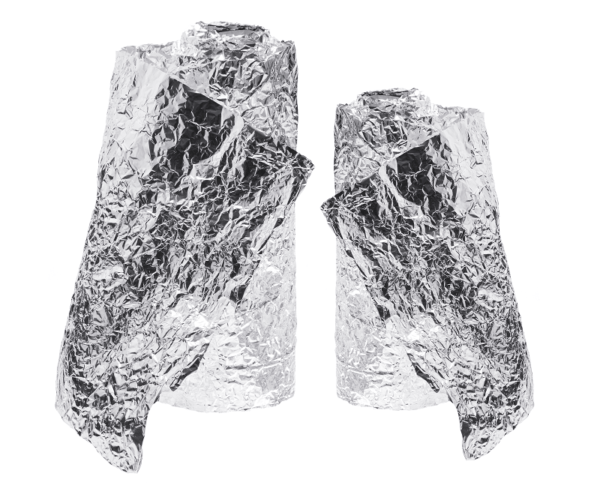
Radiator foil and reflectors still provide an effective way of keeping the heat in – a sheet of foil between your radiator and your wall will reflect heat back into the room instead of it going out through the walls and being lost altogether.
You can use tinfoil with a bit of cardboard or buy specialist radiator foil, either way, foiling up your rads is going to save energy and money.
Some argue that it’s a waste of time, but when times are hard every little can help to keep the costs down.
9 – Boost your radiators
Widely available and incredibly useful, a radiator booster is a long tube-like contraption that sits on top of your radiator and acts as a small fan.
Dispersing the air that gets trapped behind the radiator, these clever pieces of kit can raise the temperature of a room to an impressive extent.
10 – Keep your radiators clear
Now by this, we don’t mean for you to get see-through radiators, we mean – as we have said many times before – keep stuff away from your radiators.
Ensuring that furniture and clothes maidens and other obstructions have been moved will allow heat to circulate more freely around your room.
Check out our radiator cleaning guide for more help and advice.
11 – Get yourself a radiator shelf
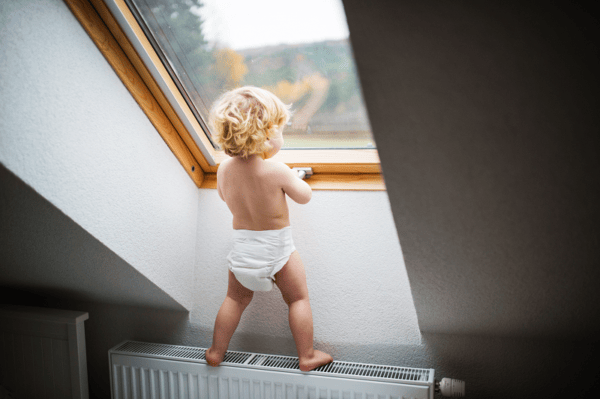
A shelf fitted above a radiator – ideally one positioned beneath a window, with curtains resting on top rather than hanging in front – can help deflect heat back into the room instead of losing it behind the curtain.
12 – Invest in brass
When we say ‘invest in brass’ we mean it’s probably a better idea to get a brass radiator key – the thing you’ll need to bleed your rads – than it is to get a steel one.
Steel can be more pliable than brass and is therefore much more likely to snap when in use.
Check out our guide on How To Bleed A Radiator if you are having trouble.
13 – Start TRVs off low
Turning a Thermostatic Radiator Valve (TRV) up to its max setting won’t heat your room up any faster; that all depends on the size of your boiler and what kind of radiators you have got.
To begin with, you should start your TRV’s off on a lower setting and increase them gradually until they reach a warm and comfortable temperature.
14 – Keep that holiday heating ticking over

If you are one of the half-a-million people that choose to leave the UK for the festive holidays, it may be a good idea to keep your heating ticking over on a low setting.
Doing this will help to ensure that your pipes don’t freeze up if the temperature drops, saving you many, many pennies on a potentially hefty repair bill.
15 – Block any draughts
At the risk of sounding cheesy, you would be ‘blown away’ by the number of draughts that can be found in the average home, but there are loads of ways that you can defeat these energy inefficient annoyances.
From sealant and polyfiller for blocking wall cracks to sealant strips for the windows and a good old fashioned draught excluder, there are loads of ways you can save energy on heat – even a keyhole disc and a letterbox cover could go a long way to making a difference.
16 – Shut that door
Your mum asked you, your dad asked you, now I’m asking you – “were you born in a barn?”
Closing doors to unoccupied rooms stops warm air spreading into spaces you’re not using, and keeps cold air from those rooms circulating into the rest of the house.
17 – Double up or even triple up the glazing
Double glazed windows are designed to keep more heat in, meaning that you won’t need to turn up your heat as much as with single glazed windows. You’ll also benefit from less noise from outside.
Double glazing reduces heat loss through windows significantly compared to single glazing, and also cuts outside noise. Triple glazing goes further on both counts, but at a higher initial cost.
18 – Open and close your curtains
Opening your curtains is an important way of efficiently heating your house.
If you have south facing windows they are sure to let more light – and therefore heat – in, and shutting them at night will help to stop that heat from escaping as quickly.
19 – Why not try a free home energy check?
The internet – as you know from being here reading this – is a wonderful thing. Use it to head over to the Energy Savings Trust website and give your home the free energy check that it deserves. You’ll get a report that outlines in detail any improvements you can make to make your home more energy efficient.
So there you have it, no excuses now!
These 20 tips should have you making your home a warm and energy efficient oasis of functionality in no time!
We hope they help you to keep that bitterly cold wolf from your door, good luck with making those savings.
Stay safe and happy heating.
Frequently Asked Questions
There are a few preventative measures you can take to attempt to reduce the risk of a boiler breakdown during the cold winter months.
First things first, an annual boiler service is recommended to be performed by a Gas Safe registered engineer to make sure it is performing to its optimal capacity. A carbon monoxide detector installation is advisable as well to ensure safe boiler operation.
You should also check the pressure levels of the boiler and top up if required, in addition to inspecting the flue and ventilation.
Especially in colder climes, check on your pipework and follow the guidance in our article on how to sort out frozen pipes if necessary.
There are a few initial checks to perform and actions to take if your boiler breaks down in winter.
Firstly, check the electricity supply in your home and at neighbours’ addresses.
If a power cut has ensued, the boiler could have been affected as a result and will begin to work again when the power supply is restored.
You should also check your heating pipework, and if necessary, follow the steps in our guide on how to sort out frozen pipes.
Meanwhile, you should look to retain as much heat as possible via the use of draught excluders, the closing of curtains and doors, and generally sealing off any draughts.
If all else fails and a bigger boiler issue is at play, get in touch with a local plumber or Gas Safe heating professional that can provide an emergency boiler repair service as quickly as possible.
Yes, you should make the most of any natural heat and energy that enters your home.
So on warmer sunny days, you can leave the curtains open to let in light during the day and close them when the sun goes down.
By doing this, the curtains will act as an extra insulation layer and help to retain warmth – the same is true even in winter when you might be trying to leave the central heating off for as long as possible to combat rising energy costs.
For more handy hints and tips to keep your energy bills home while keeping cosy and warm, visit our dedicated blog, 23 ways to keep warm without turning the central heating on.
Summer is the best time to get your boiler serviced due to the lower demand on plumbers and heating professionals at the time, and the lack of pressure involved to fix any potential problems due to the warmer outdoor climes.
What’s more, you can gain peace of mind that your boiler will be ready and primed to deliver to your home radiators when you really need them in the colder winter months.
To find out more, brose our blog, Summer Heating & Radiator Tips.

John Lawless is SEO Manager at BestHeating and a recognised expert in home heating. With over a decade of experience in the industry, he blends technical insight with practical advice on everything from energy efficiency to radiator design, and more. John’s work has featured in national media and leading home & garden publications, and he leads the editorial strategy for the BestHeating Advice Centre – helping homeowners make smarter heating choices with confidence.


