Contents
ToggleWhat we'll cover...
This guide will dive into the electric radiators vs central heating system debate, explaining how each systems work, what they cost to install and run, and how they compare with regards to eco performance and efficiency.
We’ll also provide real-world running cost examples, carbon emission comparisons, and expert recommendations for different home types – from compact city flats to large rural properties.
By the end, you’ll have a clear, data-led understanding of which system suits your home, lifestyle, and long-term energy goals. And maybe a touch of product inspiration along the way too.
Running cost comparison for electric radiators and central heating
With heating accounting for over 60% of a typical UK household’s energy use (Energy Saving Trust), choosing between electric radiators and central heating isn’t a small decision – it’s an imperative one that needs to be made strategically.
For most homeowners, gas-powered central heating has been the go-to option for decades. But with fluctuating energy prices and sustainability shifts more prevalent than ever, electric radiators have developed into a serious and popular alternative, offering flexibility, style, and smart efficiency – particularly for smaller or off-grid properties.
So, which is better for your home and your wallet? Let’s find out.
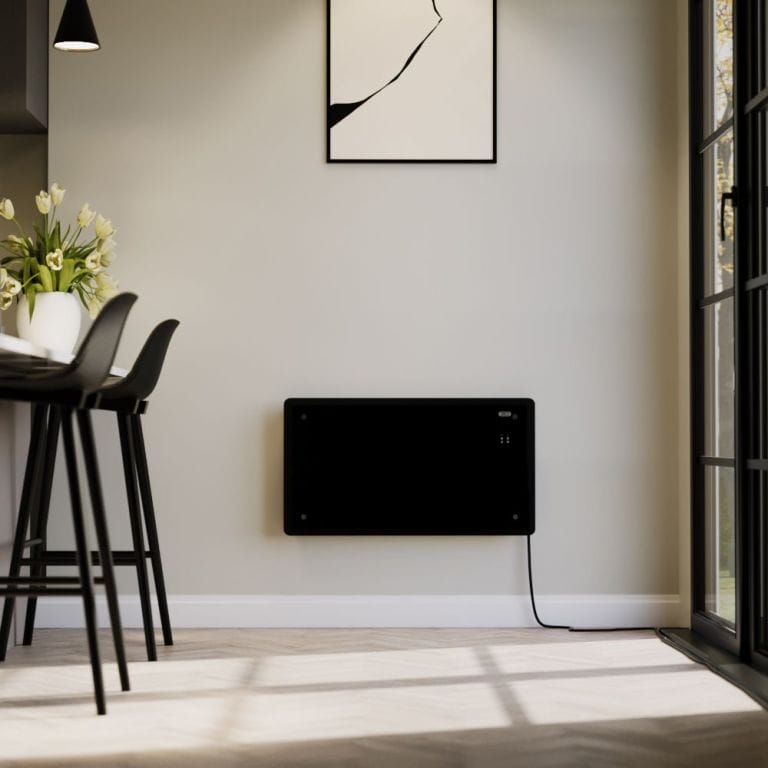
How do electric radiators work?
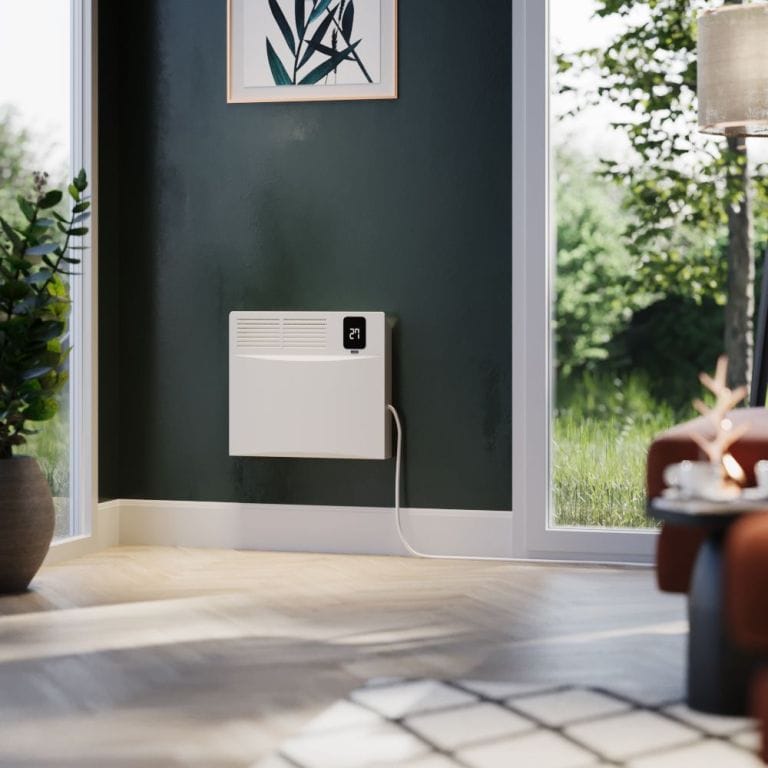
Electric radiators generate heat by using electricity as the energy source. They utilise resistive heating elements – such as ceramic cores or thermodynamic fluids – to produce radiant and convected heat.
Once powered, the elements heat up internally, radiating heat directly into the room and circulating warm air through natural convection.
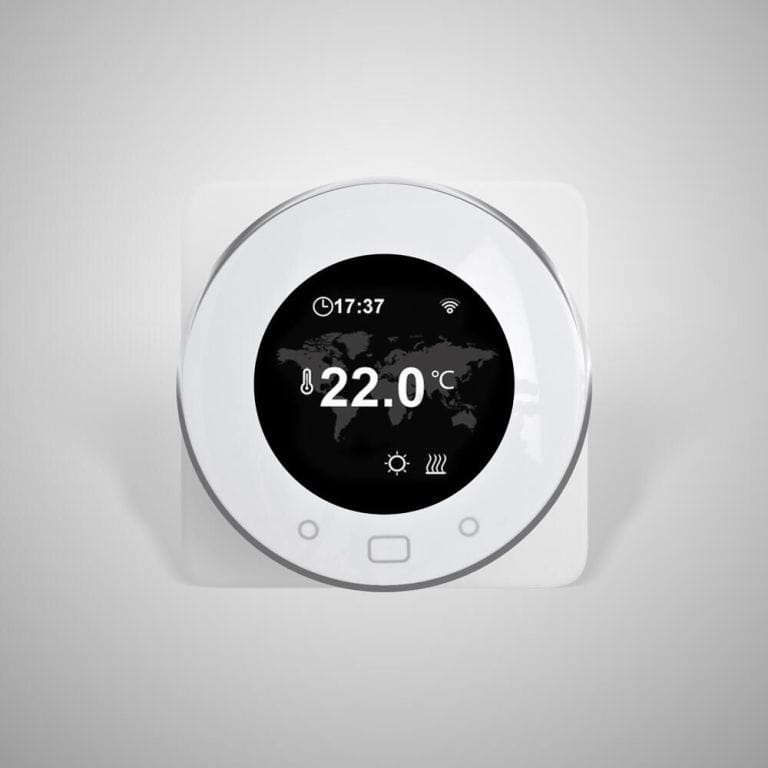
Unlike storage heaters, which release heat gradually, modern electric heating provides instant, controllable warmth and can be managed via smart thermostats or smart apps.
Key benefits of electric radiators
- 100% efficient at point of use: All electricity drawn is converted into usable heat.
- Low maintenance: No boiler, no bleeding, no annual servicing.
- Zoned heating control: Different temperatures can be set for each room with zoned heating.
- Easy installation: Plug-in or hardwired – no plumbing required.
- Ideal for off-grid or all-electric homes: Perfect for an energy-efficient, cost-saving heating performance.
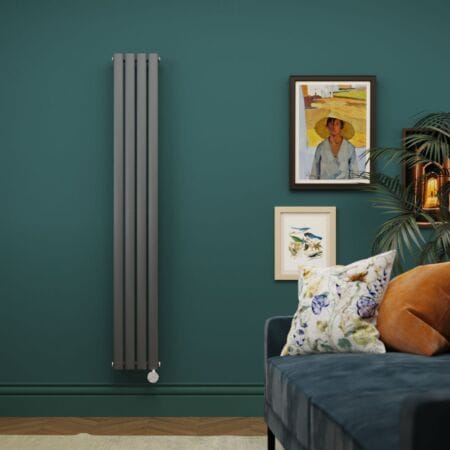
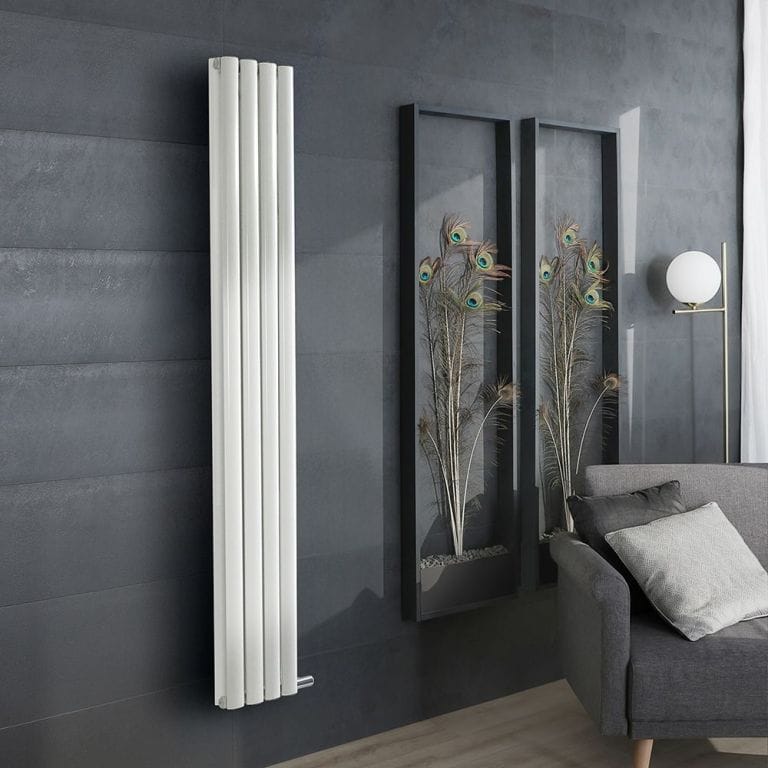
Modern electric radiators, such as the Milano Alpha range, can be controlled remotely via Wi-Fi – allowing you to schedule heating for specific times or rooms, even when you’re out of the house.
John Lawless, digital content lead at BestHeating: “Electric radiators are ideal for smaller homes, apartments, and energy-efficient new builds where precise, zoned heating offers better cost control.”
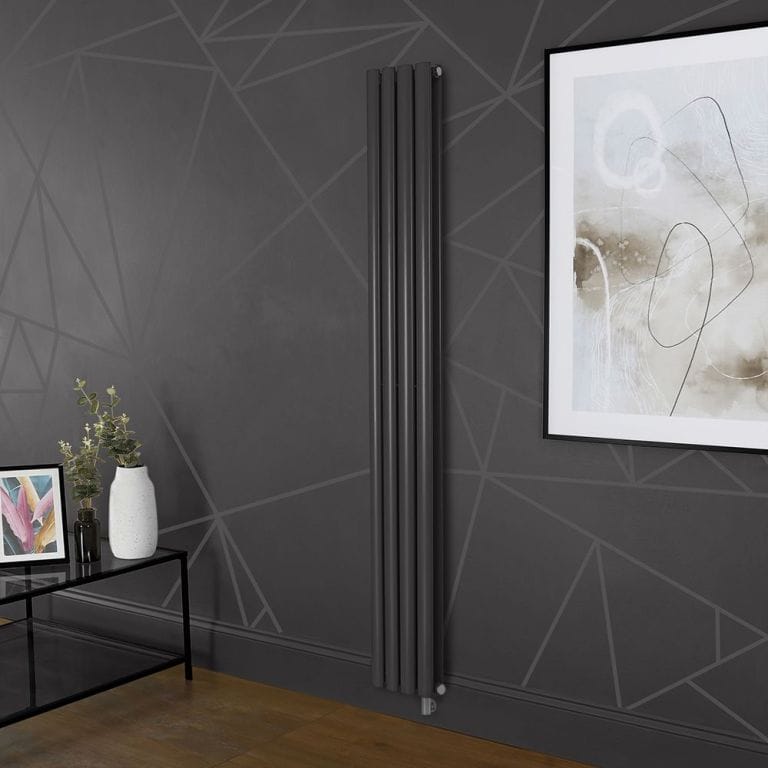
How does central heating work?
Central heating systems use a boiler (typically gas-powered) to heat up water, which is then transported throughout the house via radiators or underfloor heating through a network of pipes.
This type of system is designed for whole-home heating, delivering steady warmth through multiple outlets. Modern condensing boilers achieve high efficiencies (up to 94% according to the Heating Hub) via the capture and re-use of heat from exhaust gases that would otherwise be lost.
Key benefits of central heating
- Cheaper per kWh: Gas remains the cheapest fuel in the UK.
- Great for larger homes: Efficient practices for heating multiple rooms at once.
- Compatible with wet underfloor heating systems: Can be teamed with more involved heating systems with a pipework network.
- Fast, consistent heat delivery: Reliable, impressive level of heat output.
Paul Cavanagh, product procurement specialist at BestHeating: “If you already have an efficient gas boiler and central system, upgrading your radiators or controls can be a more cost-effective move than switching to electric entirely.”
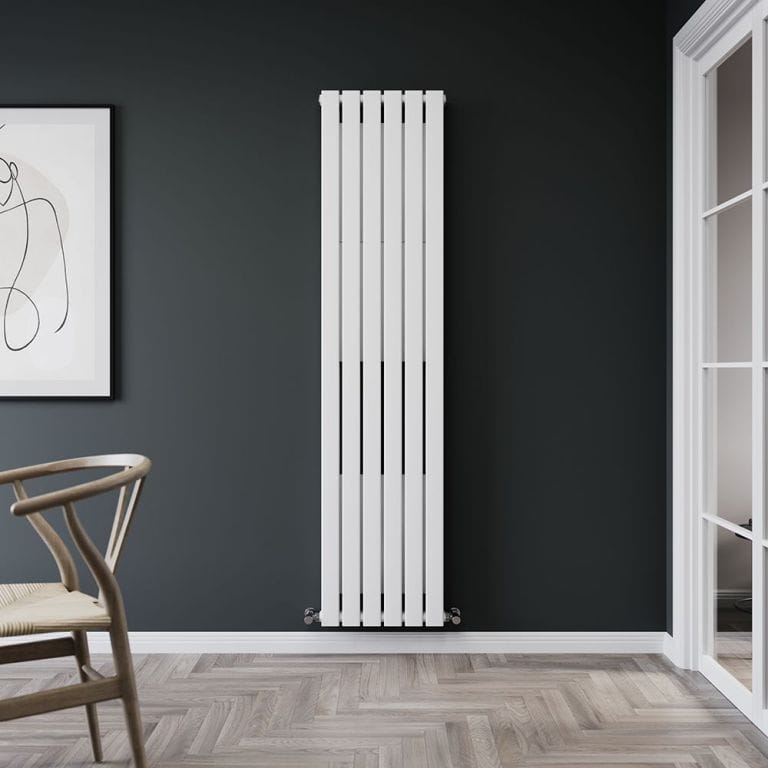
Electric vs central heating: At a glance
Feature | Electric Radiators | Central Heating (Gas) |
Installation | Simple plug-in or hardwired units | Requires boiler, flue & pipe network |
Running Cost (per kWh) | 28p (Ofgem, Oct 2024) | 7p (Ofgem, Oct 2024) |
Efficiency | 100% at point of use | 85-92% (condensing boilers) |
Maintenance | None | Annual service (£100) |
Heating Control | Individual room thermostats | Central or zoned |
Eco Credentials | Renewable electricity = zero-carbon | Fossil fuel dependent |
Best For | Small homes, flats, off-grid | Large family homes, multi-room heating |
Source: Ofgem Energy Price Cap
Electric vs central heating cost comparison: Installation & running costs
Installation costs
System | Average Installation Cost | Lifespan | Maintenance |
Electric Radiators | £150-£400 per unit | 15-20 years | No servicing |
Gas Central Heating (Boiler + Radiators) | £3,000-£5,000 | 10-15 years | Annual servicing required |
Hybrid System (Gas + Electric) | £4,500-£7,000 | 15 years | Annual check + minimal electric upkeep |
Running cost comparison
Home Type | Typical Heating Demand | Electric Radiators (28p/kWh) | Gas Central Heating (7p/kWh) |
1-Bed Flat | 4,000 kWh | £1,120 / year | £280 / year |
3-Bed Semi | 9,000 kWh | £2,520 / year | £630 / year |
5-Bed Detached | 15,000 kWh | £4,200 / year | £1,050 / year |
Based on Ofgem October 2025 price caps
Essentially, even despite electricity costing around four times as much as gas per kWh, the flexibility of electric radiators can offset this – especially if you only heat the rooms you use.
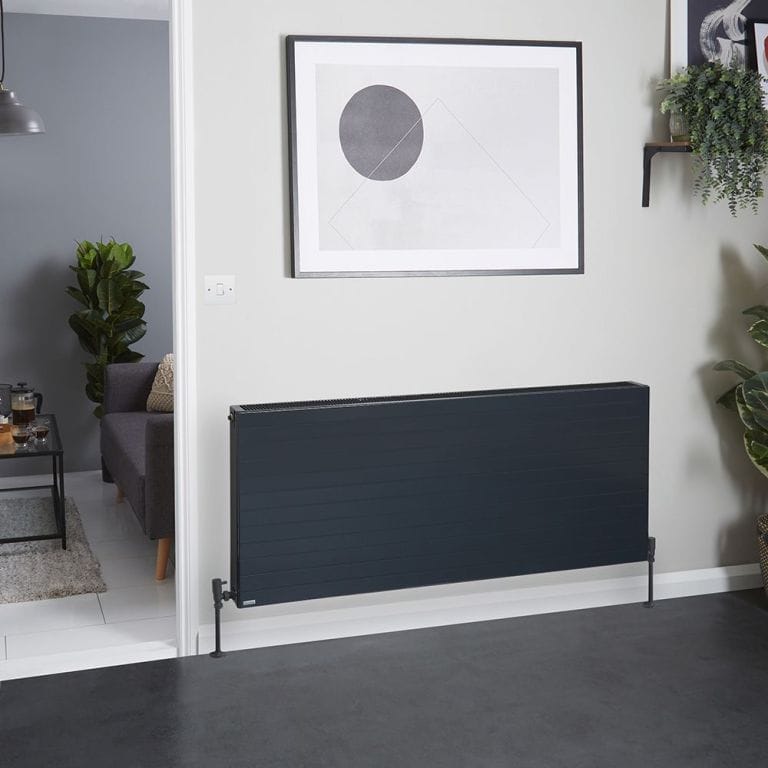
Electric vs central heating: Which is more eco-friendly?
Although electric systems are more expensive to run, they’re quickly becoming the greener heating option, especially when powered by renewable energy sources like heat pumps.
|
Factor |
Electric Radiators |
Gas Central Heating |
|
CO₂ per kWh (UK grid, 2025) |
0.17 kg |
0.18-0.20 kg |
|
Renewable Energy Ready |
Yes |
Limited |
|
Heat Loss |
Minimal |
10-15% through pipes |
|
Efficiency |
100% at point of use |
90% average |
|
Boiler Emissions |
None |
Direct combustion CO₂ |
Source: The Energy Saving Trust
Long-term efficiency: Future-proofing your heating
Electric heating is becoming increasingly aligned with the UK’s Net Zero 2050 strategy. As the electricity grid becomes greener year on year, emissions linked to electric heating continue to reduce.
Contrastingly, gas systems face tightening restrictions – with the government planning to phase out fossil-fuel boilers in new homes in the near future.
So, while gas heating might be cheaper to run as of right now, electric systems are better future-proofed for regulatory adjustments and carbon-conscious upgrades.
Practical scenarios: Which heating system suits you?
Every home is different, and selecting the right heating system is dependent on size, insulation, energy source, and lifestyle.
Below are three common scenarios with an indication towards the best recommended heating systems for each.
Small homes & flats
Recommended: Electric radiators
Smaller homes benefit most from electric systems due to a quick, non-disruptive installation process, low maintenance, and zoned heating control.
Why it works:
- No boiler or flue required.
- Compact and stylish radiator designs.
- Perfect for occasional or selective room heating.
- Compatible with time-of-use tariffs (e.g. Octopus Go).
Essentially, electric heating provides you with total flexibility; no wasted energy heating unused rooms.
Large family homes
Recommended: Central heating (gas or hybrid)
For multi-room homes, gas-powered systems remain the most practical and cost-effective choice.
Boilers efficiently heat multiple radiators at the same time, whilst central thermostats make management simple.
Why it works:
- Lower fuel cost per kWh.
- Ideal for running radiators and underfloor heating at the same time.
- Delivers a consistent level of whole-house heat.
- Can integrate with smart thermostats and zoning valves.
Energy example: According to British Gas, a large 5-bed property could save around £150 per year on heating costs by using gas instead of a full electric system.
Renovations, extensions & off-grid homes
Recommended: Electric or hybrid heating
In off-grid homes without a gas connection, or where an extension is being added, electric systems are the simplest, cleanest option to use.
Why it works:
- No need for new pipework or boiler integration.
- Ideal for solar or renewable-powered properties.
- Excellent for garden rooms, offices, or converted lofts.
- Can be combined with air source heat pumps for hybrid setups.
Andy Collinge, product expert for BestHeating: “Electric heating is unbeatable for flexibility. You can start small – one or two rooms – and expand as your energy setup evolves.”
Deeper dive: Efficiency in use
Gas central heating efficiency
A-rated condensing boilers operate at around 90-92% efficiency, but distribution losses through pipes and radiators can reduce overall system performance to around 80-85% (The Heating Hub).
Electric radiator efficiency
Electric radiators deliver 100% efficiency at the point of use, with minimal losses. However, their total cost efficiency is dependent on electricity prices and insulation quality.
In well-insulated homes, electric radiators can rival – or even outperform in some cases – gas heating in terms of both comfort and control.
Electric vs central heating: Cost, efficiency & emissions summary
Criteria | Electric Radiators | Gas Central Heating |
Efficiency | 100% at point of use | 85-92% (condensing) |
Running Cost (kWh) | 28p | 7p |
CO₂ per kWh | 0.17 kg | 0.19 kg |
Maintenance | None | Annual service |
Installation Cost | £150-£400 per unit | £3,000-£5,000 system |
Heat-Up Time | Instant (direct element) | Moderate (boiler warm-up) |
Best For | Flats, small homes, off-grid | Large family homes |
Future-Proofing | Excellent (Net Zero ready) | Moderate (fossil fuel-based) |
Sources: Ofgem and The Energy Saving Trust
The BestHeating verdict: Which is best overall?
Scenario | Best Option | Why |
Small or well-insulated home | Electric radiators | Energy-efficient, controllable, low maintenance |
Large family property | Central heating | Cost-effective for multiple rooms |
Off-grid or eco home | Electric (renewable) | Works with solar / low-carbon sources |
New build (Net Zero-ready) | Electric or hybrid | Future-compliant and efficient |
Both systems have their place. Gas remains cheaper today, but electric heating – powered by renewable energy sources – is viewed as the smarter long-term move.
Frequently Asked Questions
Are electric radiators cheaper to run than gas?
Not typically. Gas costs around four times less per kWh (Ofgem, 2025). However, if you only heat certain rooms at a time or use renewable energy sources, electric radiators can still be a cost-efficient solution.
Do electric radiators work well in large homes?
They can do, but whole-house electric heating is costly. For larger properties, gas or hybrid systems remain a more practical choice.
Are electric radiators eco-friendly?
Yes. When powered by renewable energy or a green tariff, electric radiators produce zero emissions at their point of use.
Can electric radiators replace gas central heating entirely?
Yes, especially in small or off-grid homes. For full-house replacements, ensure good insulation and smart thermostatic control is in place.
Shop eco-friendly heating solutions from BestHeating
At BestHeating, we stock a wide range of electric radiators, central heating models, and designer radiators to help you achieve a stylish home heating upgrade with comfort, style, and energy efficiency in mind.

John is a Research Specialist for the Best Heating Advice Centre, where for over nine years he has dedicated himself to demystifying home heating for our customers. He specialises in creating clear, data-driven guides and how-to articles by collaborating directly with our team of certified heating experts and product engineers.
His work, built on a foundation of journalistic research, has helped millions of readers make confident and informed decisions about their home heating. When he’s not breaking down the heat output differentials from radiators to heated towel rails, John fancies himself as a fine football and music connoisseur.