Contents
ToggleWhat we'll cover...
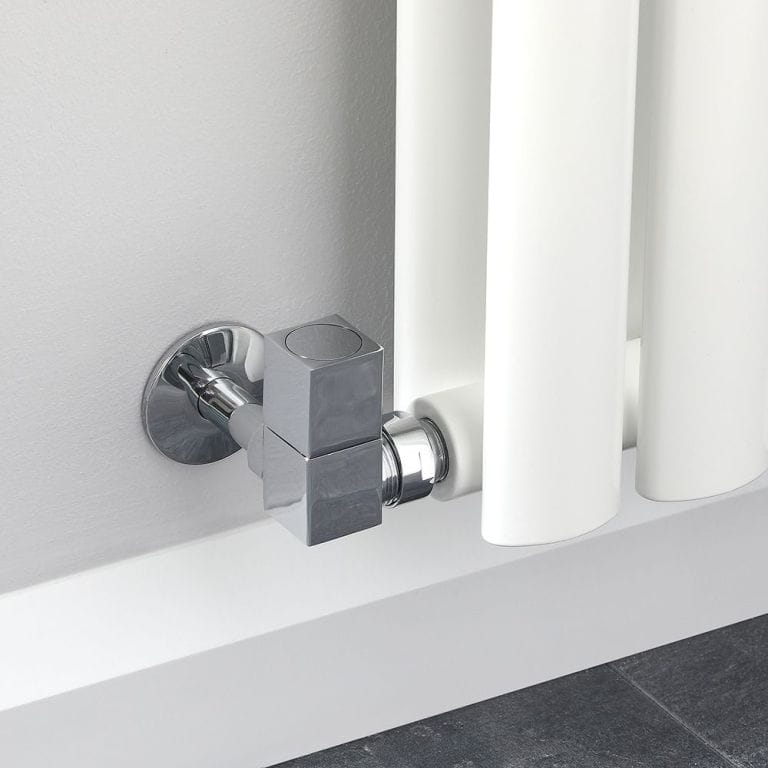
Fitting skirting boards is one of those deceptively simple DIY jobs, until the involvement of radiator pipework. This guide will explore how to fit skirting boards around radiator pipes neatly, even in tight or awkward narrow spaces. We’ll outline the tools you’ll need, go through a clear step-by-step process, explain the best cutting methods for different pipe positions, highlight common mistakes to avoid, and share expert finishing tips to achieve a clean, professional result. No matter if you’re renovating a single room or finishing off a full home heating upgrade, this guide will help you fit skirting boards around radiator pipes smartly and efficiently.
Fitting a skirting board around radiator pipework
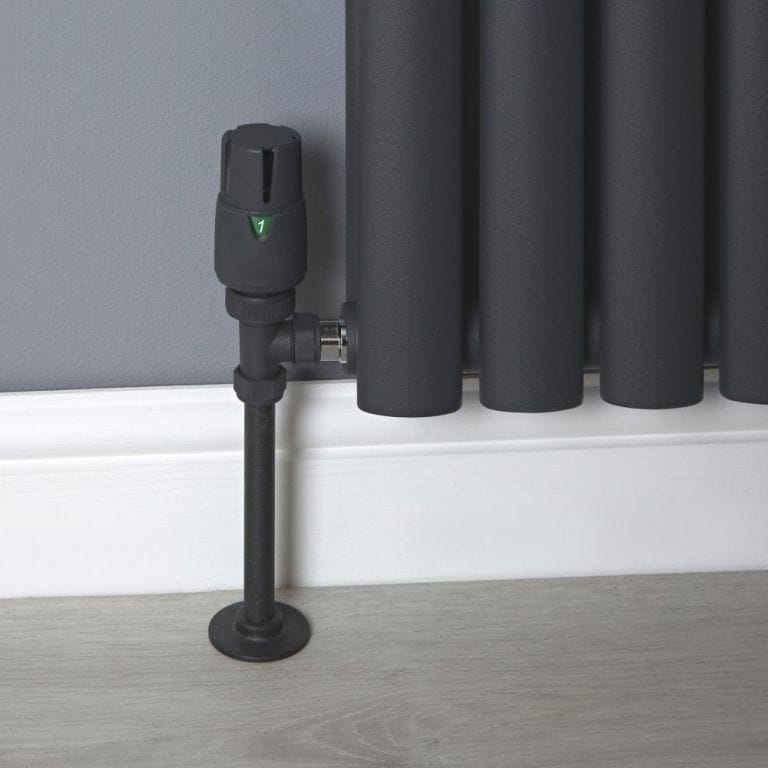
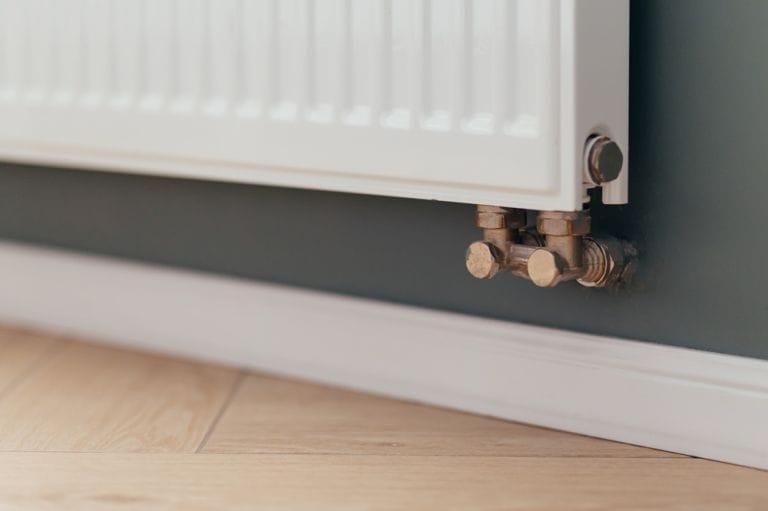
Typically, the fitting of skirting boards is one of the final jobs in a room renovation – the bit where everything aligns neatly. But radiator pipes have a habit of ruining that tidy illusion. As opposed to a clean run of skirting, might find yourself faced with copper pipes poking through at awkward heights, tight clearances against walls, and the challenge of cutting precise shapes into a long, visible length of board.
However, it is entirely possible to fit skirting boards around radiator pipes neatly, even if the pipework is already in place. The key is to work out where most DIYers go wrong, and how to avoid those pitfalls by using the correct preparation, cutting technique and finishing approach.
Tools and materials you will need
Before you begin cutting anything, make sure you have the right tools at your disposal. Improvising halfway through the job is one of the easiest ways to end up with chipped skirting or oversized cut-outs for an untidy finish.
Essential tools
- Tape measure
- Sharp pencil
- Spirit level
- Drill and suitable drill bits
- Jigsaw or oscillating multi-tool
- Hole saw set (various diameters)
- Fine-tooth handsaw or mitre saw
- Sandpaper (120-240 grit)
- Caulking gun
Materials
- Skirting boards (cut slightly oversize initially)
- Decorators’ caulk (paintable)
- Flexible sealant (for pipe cut-outs if required)
- Wood filler
- Screws, wall plugs or grab adhesive
- Optional pipe collars or pipe covers
Note that MDF skirting is much more forgiving than solid wood when cutting around pipes. It’s easier to shape cleanly and much less prone to splitting.
How to fit skirting boards around radiator pipes: Step by step
Step 1: Mark and measure accurately
The first stage of the job is also the most vital. Almost every mistake in fitting skirting boards around radiator pipework can be traced back to rushed or inaccurate measuring.
How to measure correctly
- Measure from the end of the skirting board to the centre of the radiator pipe
- Measure from the floor to the centre of the pipe
- Transfer both measurements to the rear face of the skirting board
- Clearly mark the centre point of the pipe
- Double-check both measurements before cutting
“Never assume radiator pipes are perfectly vertical or evenly spaced. Always measure each pipe individually, even if they look symmetrical.” – Lee Harper, Product Director, BestHeating.
Pipes extremely close to the wall?
If the pipe sits very close to the wall, a full circular cut sometimes won’t be possible. In these cases:
- Use a U-shaped notch rather than a full hole
- A multi-tool gives better control than a jigsaw
- Decorative pipe collars can be used later to hide small gaps
Step 2: Choose the right cutting method
There’s no universal cutting method. The best approach will depend on how far the pipe sits from the wall and how visible the cut will be.
Hole saw – best for clean, round cut-outs
Ideal for when:
- Pipework is clear of the wall
- You want a symmetrical finish
Choose a hole saw that is 2-3mm larger than the pipe diameter to allow for expansion.
Jigsaw – best for versatility
Ideal for when:
- Pipes are offset
- A partial cut-out is required
Use a fine-tooth blade and cut slowly.
Multi-tool – best for tight spaces
Ideal for when:
- Pipes sit virtually attached to the wall
- Precision is more important than speed
Clean cutting tips
- Cut from the rear face of the skirting
- Apply masking tape over the cut line
- Let the tool do the work – forcing the blade can cause tear-out
Step 3: Cutting the skirting board
Once you’re confident with your markings:
- Secure the skirting board firmly into place
- Commence with cutting using your chosen method
- Lightly sand the cut edge
- Vacuum dust before performing a test fitting
You should always cut slightly undersize initially. You can remove more material, but you can’t put it back.
Step 4: Test fitting and fine adjustments
Your fixing method is dependent on wall type:
- Solid masonry walls: plug and screw
- Stud walls: grab adhesive plus screws or brads
Once fixed:
- Fill screw holes using wood filler
- Apply decorators’ caulk along the top edge
- Use flexible sealant around pipe cut-outs if required
Working around difficult pipe positions
Pipes at an angle
Angle the cut to match the entry point of the pipe instead of forcing a straight cut.
Multiple pipes close together
Make a mark on both pipes first, then cut a single wider notch as opposed to two tight holes.
Pipes slightly misaligned
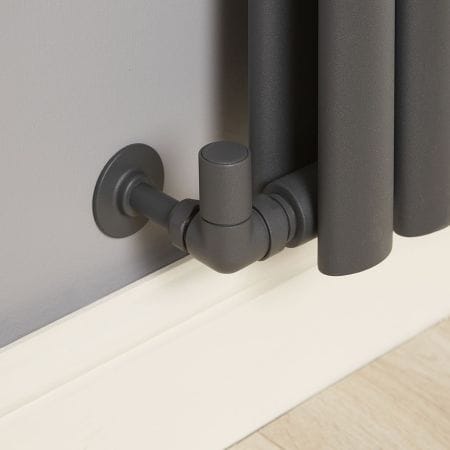
Use pipe collars or split escutcheons to square things up from a visual perspective.
For more pipework advice, see:
The ultimate guide to heating pipework
Covering radiator pipes – A BestHeating guide
Common mistakes to avoid
Rushing measurements
Always measure from fixed points, rather than existing skirting boards.
Using the wrong cutting tool
Hole saws being used close to the walls can often lead to cracked boards.
No allowance for expansion
Radiator pipework expands when it heats up, meaning tight cuts can crack over time.
Skipping the test fit
Never fix a skirting board permanently without dry fitting first.
Finishing touches and styling options
Caulking and paint
- Paint after fitting for a seamless join aesthetic
- Use paintable caulk only
Pipe covers and collars
Perfect for:
- Older pipework
- Slightly oversized cut-outs
- Decorative finishes
Coordinating with radiator style
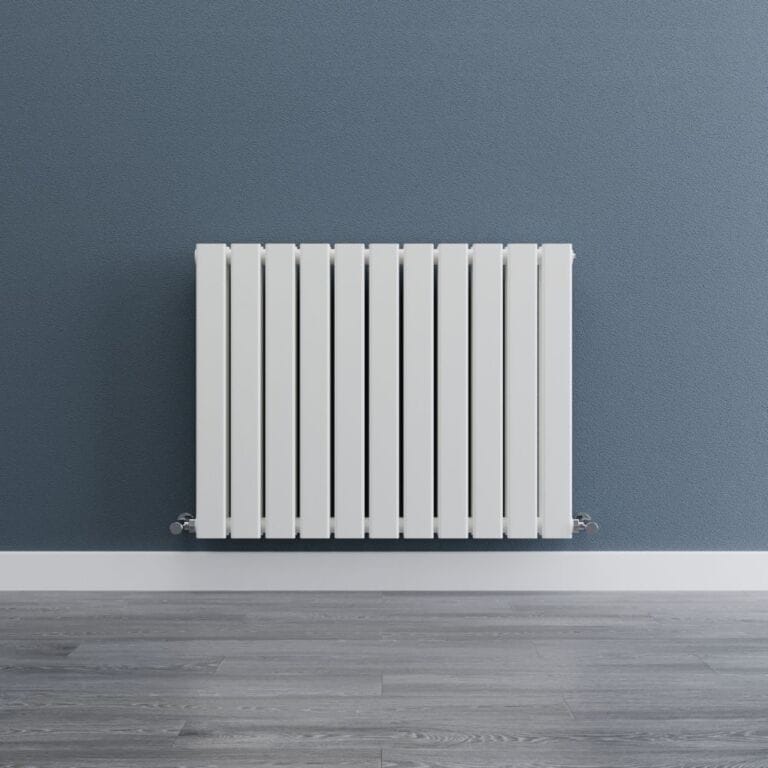
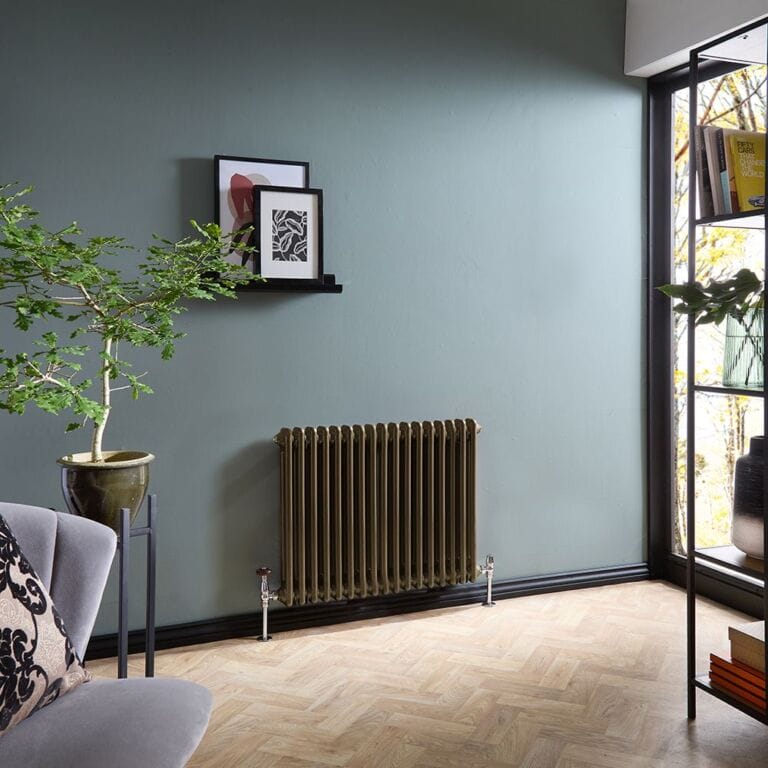
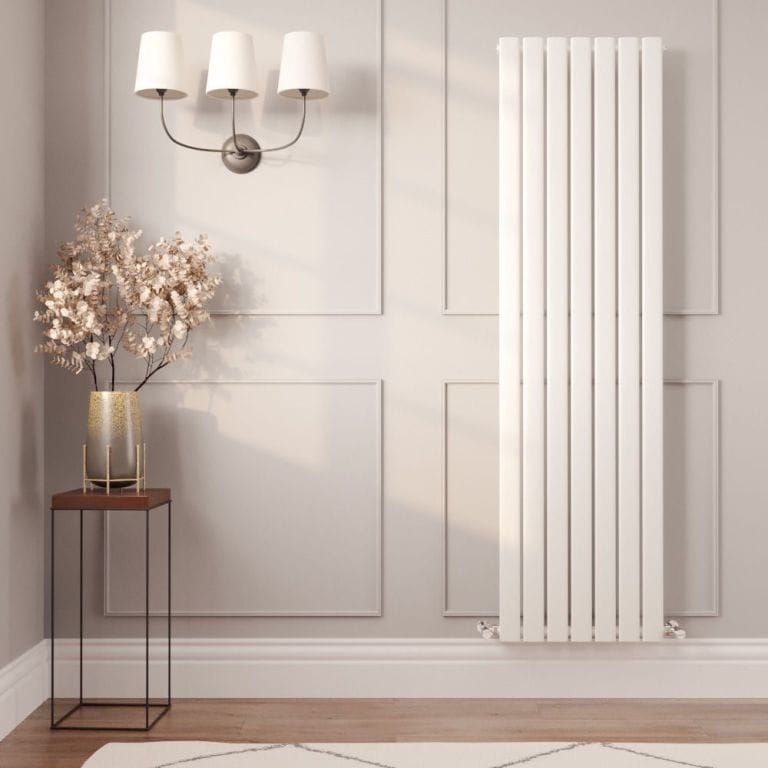
If you’re upgrading radiators, cleaner pipe runs pair particularly well with:
Related reads:
Do radiators or skirting go first?
In most cases, you should look to install radiators before the skirting boards.
This ensures:
- Pipe exits are properly aligned
- Skirting isn’t cut unnecessarily
- A cleaner overall finish
Explore BestHeating advice for heating installation tips
You should now be equipped with all the knowledge you need to successfully fit skirting boards around radiator pipes for a neat and attractive look. With careful measuring, the right cutting approach and smart finishing touches, you can achieve a result that looks intentional and stylish.
There are all sorts of resources in the BestHeating Advice Centre to help you complete various heating installation work, plus lots more handy home heating tips. And don’t forget to show off your skirting board handiwork by reaching out to us on Instagram, Facebook or X.
John is a Research Specialist for the Best Heating Advice Centre, where for over nine years he has dedicated himself to demystifying home heating for our customers. He specialises in creating clear, data-driven guides and how-to articles by collaborating directly with our team of certified heating experts and product engineers.
His work, built on a foundation of journalistic research, has helped millions of readers make confident and informed decisions about their home heating. When he’s not breaking down the heat output differentials from radiators to heated towel rails, John fancies himself as a fine football and music connoisseur.