VIEW ALL
Discover expert advice, energy-saving tips, and the best energy efficient heating solutions for a warm and efficient home.
Thermal heat stores can provide either solely hot water, usually in cohesion with a solar water heating system, or only space heating, typically alongside a heat pump system. Finally, thermal heat stores can provide a combination of mains pressure hot water and space heating.
That said, thermal heat stores can work alongside renewable energy solutions or boilers to deliver the appropriate heating devices within a property, such as designer radiators or heated towel rails.
For further information, browse our dedicated blog, What is a thermal heat store?
In the main, thermal heat stores are used for commercial premises, where it is imperative that there are always reserves of heat or thermal energy on hand. A thermal heat store holds onto excess heat with the use of a single or multiple renewable heating technologies, so a thermal energy deficit is never a concern.
Thermal heat stores perform especially well alongside ground and air source heat pumps, as well as solar panel systems and biomass boilers, which are also currently more commonplace with regards to commercial ventures as opposed to residential properties.
Explore our blog, What is a thermal heat store?, for further details.
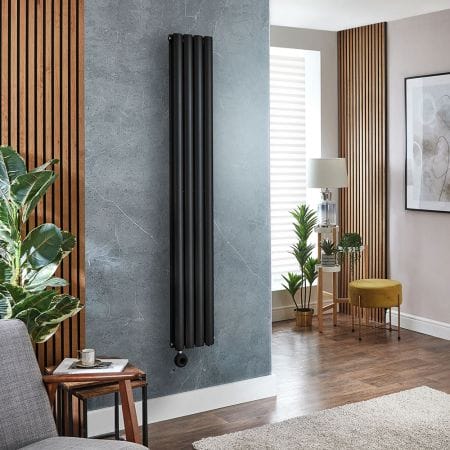
Electric towel rails heat up through an electric heating element, with both single non-thermostatic versions and variable thermostatic components available. The former type enables electric heated towel rails to remain at a constant temperature when switched on, whilst the latter allows users to adjust towel rail temperature when turned on.
The incorporated heating elements are activated via a mains electricity supply, with zero reliance on a central heating system.
To find out more, explore our dedicated blog, How do electric towel rails work?
You should never attempt to install an electric towel rail by yourself, as the appliance connects to the mains electricity supply.
That said, it is essential that the services of a qualified electrician are enlisted to ensure a safe fitting that adheres to building regulations.
For a more detailed insight into modern electric heating solutions, take a look at our blog, How do electric towel rails work?
Electric towel rails work via power from a mains electricity supply, and do not reply on a central heating system at all.
They draw heat from a home’s piping network, which is usually made from copper, and contains the flow of hot water.
To find out more, explore our blog, How do electric towel rails work?
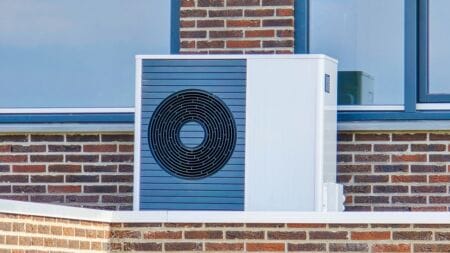
Modern heat pump technology, or flexible heat pump technology, is designed to make heat pump systems operate more efficiently via the presence of a small water tank and a copper tube coil.
It is estimated from early research that this modern heat pump technology could lead heat pumps to work around 10% more efficiently than the standard current designs on the market, which it is hoped will make the systems a more popular green solution and reduce the country’s overall carbon footprint in tow.
To learn more about modern heat pump technology, and how heat pumps can work alongside your existing hot water radiators, explore our blog, Can you pair radiators with heat pumps?
The aim of flexible heat pump technology is to improve the effectiveness and efficiency with which heat pump systems operate, with the ultimate goal of making them a more popular and sought after green heating solution to reduce carbon emissions.
Early projections from expert researchers show that flexible heat pumps could work around 10% more efficiently than the current designs, and be able to continue in operation even during the defrosting process in freezing winter climes.
For further information concerning modern heat pump technology and how it can align with your hot water radiators, or any other help surrounding heat pump technological advancements, take a look at our blog, Can you pair radiators with heat pumps?
A flexible heat pump is a modern version of a heat pump that uses new technology which enables them to operate more efficiently and effectively. Flexible heat pumps basically incorporate a small water tank and copper tube coil to create a heat storage vice.
The water tank takes the extra thermal energy from the pump’s operation and stores it as an extra heat source when the pump is back in use. Furthermore, the recovered heat is a lot warmer than the outdoor air which usually works as the main heat source, and can be re-used as a temporary source of heat, significantly decreasing the amount of energy the pump uses in operation.
As well as this, flexible heat pumps are also able to continue working even whilst defrosting in freezing conditions due to the included water tank holding onto recovered heat, which is far from the case with standard designs that continue to use electricity even when out of use in defrosting.
For further information on flexible heat pumps, how your hot water radiators can work with heat pumps and plenty more, take a look at our dedicated blog, Can you pair radiators with heat pumps?
Flexible heat pump technology is an advancement to standard heat pumps that should enable them to work more effectively and efficiently. Essentially, a flexible heat pump will use heat storage via a small water tank and a copper tube coil.
The water tank utilizes excess thermal energy from the pump’s operation, retaining this as an added heat source the next time the pump is used. What’s more, this recovered heat is plenty warmer than the outdoor air that usually counts as the main heat source, and can be recycled as a stopgap source of heat, greatly reducing the level of energy the pump outputs.
Flexible heat pump technology will also enable pumps to work whilst defrosting in freezing temperatures on account of the recovered heat being held within the tank, in contrast to the standard pump designs currently on the market.
To find out more about flexible heat pump technology, how your existing designer radiators can work alongside heat pumps and much more, consult our dedicated blog, Can you pair radiators with heat pumps?
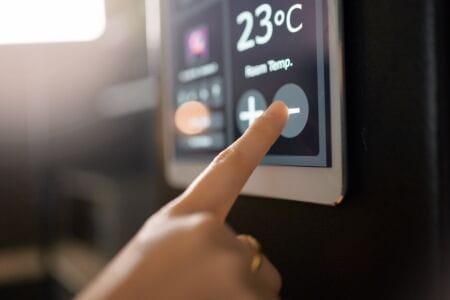
Simply by making the absolute utmost use of all the features and settings that your particular smart heating system provides. By utilising all the elements at your disposal, you can maximise the full potential of your smart appliance(s), and save as much energy, and therefore as much money, as possible.
To find out more, explore our dedicated blog, Can smart heating systems cut your heating costs?