Contents
ToggleWhat we'll cover...
In this guide, we’ll explore a detailed, data-driven comparison between electric and gas heating systems. You’ll find out how they work, what real-world costs look like for each system, and which option might be the better fit depending on your property, lifestyle and long-term goals.
Electric or gas heating?
Many homeowners face the same dilemma: electric vs gas heating – which makes more sense for my property? On the face of it, gas seems the obvious answer: cheaper per unit and familiar, with established infrastructure. But efficiency and running costs complicate the decision.
First, we will explain how both systems work before looking at pros and cons, and finally, recommending which home and usage types are best suited to each type of heating system.
How do gas and electric heating systems work?
To compare fairly, we will explain the core mechanics of both gas and electric heating systems as simply as possible.
Gas central heating
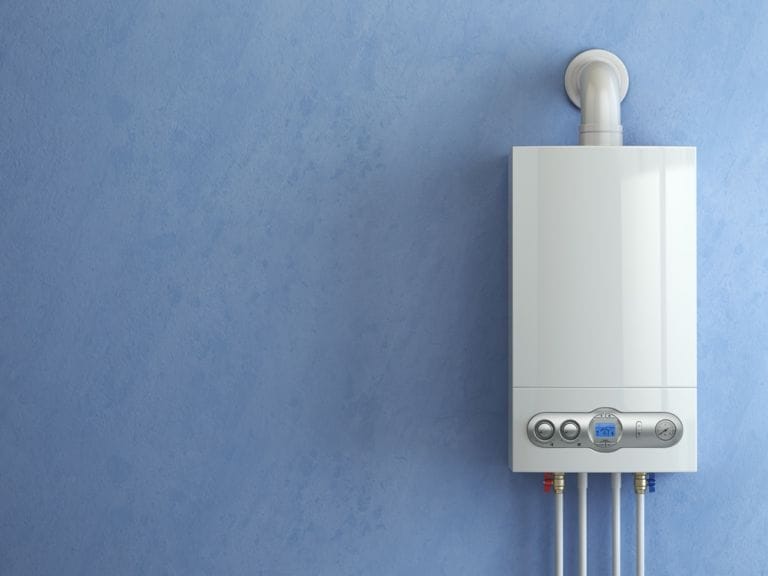
Gas heating will typically involve a boiler (combi, system or conventional) that burns natural gas to heat up water. This heated water will then circulate through radiators or underfloor pipework. The boiler also often handles your hot water demand (for baths, showers, taps).
Modern condensing gas boilers can achieve efficiency levels in the 85-95% range, through the extraction of additional heat from exhaust gases.
Electric central heating
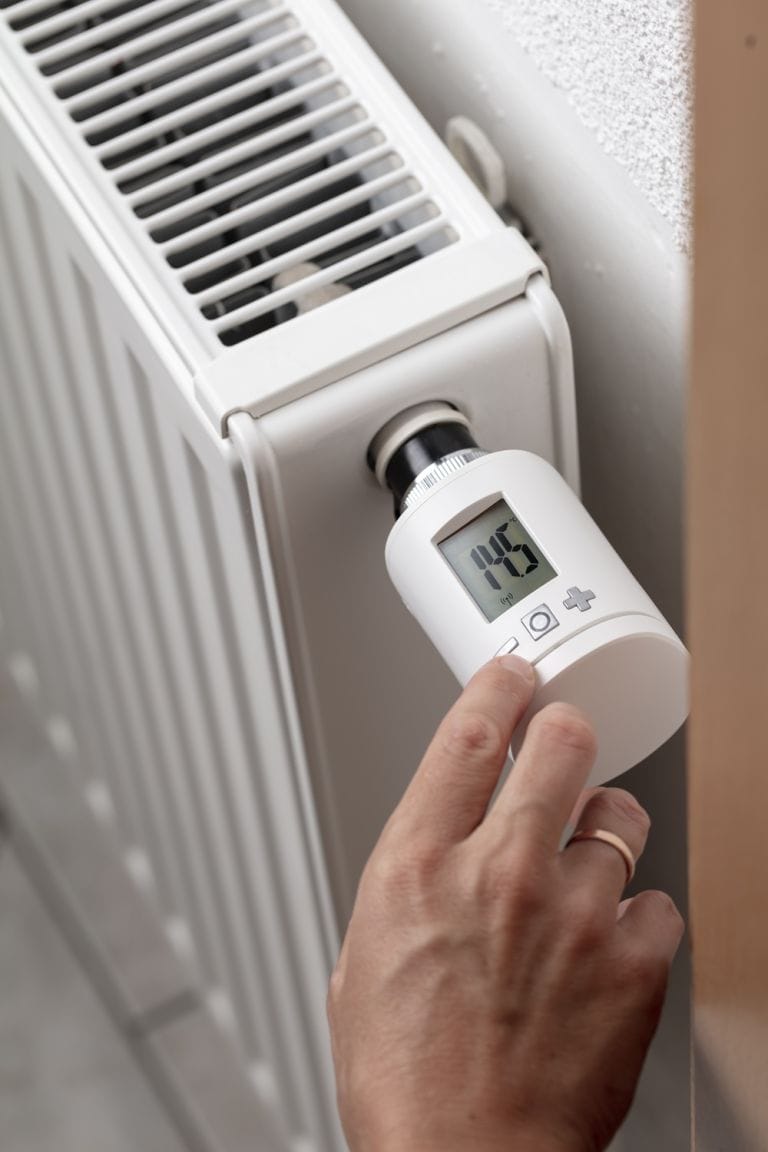
Electric systems convert electrical energy directly into heat at the point of use. No combustion and no flue losses, meaning heat flow is unrestricted and boilers operate at optimal efficiency. Some common types include:
- Electric radiators
- Electric underfloor heating (UFH)
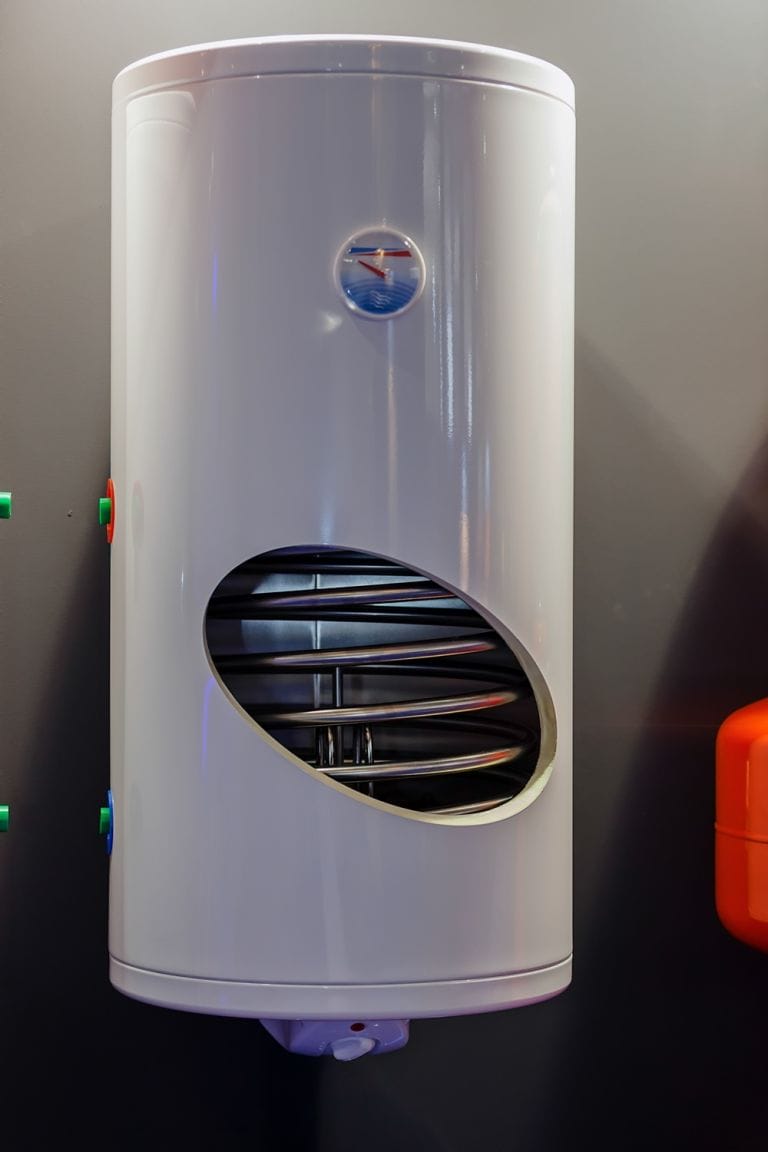
- Electric boilers or storage heaters
Because of the lack of flue waste, electric heating is effectively 100% efficient at the point of use. However, electricity costs per unit are much higher than gas, which is the trade-off.
Running costs and operational efficiency
Current energy unit costs
Understanding unit costs is vital to comparing running costs for gas and electric heating systems. As of 2025 Ofgem price cap data:
- Electricity: 25.73 pence per kWh (unit rate) for direct debit customers (Energy Guide)
- Gas: 6.29 pence per kWh (unit rate) (Ofgem)
This means electricity costs roughly four times as much per unit as gas under typical regulated rates.
Running cost comparison
Heating Type | Energy Source | Average Efficiency | Typical Running Cost (20m² lounge, 4 hrs/day) | Estimated Annual Cost* | Example Source | Key Insight |
Electric Underfloor Heating (UFH) | Electricity | 100% (at point of use) | 49p per hour | £1,541/year | Wunda / Checkatrade | Highly efficient but expensive to run due to higher electricity unit costs. Best for smaller or zoned areas. |
Wet (Gas-Powered) Underfloor Heating (UFH) | Gas via condensing boiler | 90%+ (system efficiency) | 26p per hour | £295-£421/year | Grant UK / Checkatrade | Lower operational costs; up to 25% more efficient than radiator systems when paired with condensing boilers. |
Radiator System (Gas Central Heating) | Gas | 85-90% | 30p per hour (average) | £500-£650/year | Industry averages / Energy Saving Trust | Familiar, simple, but slightly less efficient than modern wet UFH systems. |
Estimates based on 2024 UK energy prices and average usage (20m² area, 4 hours per day, moderate insulation). Figures vary by tariff and property efficiency.
As gas is a lot cheaper per kWh, gas heating also tends to be less expensive to operate, even if less efficient in terms of pure energy conversion.
For instance, in underfloor heating vs radiator comparisons, various sources suggest that wet underfloor heating systems can deliver energy savings in the region of 25% compared to radiator systems, when teamed with modern condensing boilers. (Grant UK)
Checkatrade’s cost guide cites example running costs: for a 20m² lounge, electric UFH is charged at 49 pence per hour, versus wet systems at 26p per hour (with an assumed 4 hours daily usage).
Wunda presents a model that lines up electric UFH vs wet (gas-powered) underfloor heating setups, displaying very significant differentials: e.g. electric underfloor heating cost £1,541 under certain assumptions, with wet UFH at a wildly contrasting £295-£421 for the same area.
Therefore, although electricity is perfectly efficient at the point of use, electricity costs can often tilt the balance toward gas (or water-based systems) for larger or full-house heating installations.

Installation, lifetime and maintenance costs
Efficiency relates to more than the running cost; it also entails how much you pay to initially install and maintain the system over its lifespan.
System | Typical installation cost |
Electric UFH | £50-£75/m² (new build) |
Electric UFH (retrofit) | £60-£85/m² |
Wet UFH (new build) | £85-£100/m² |
Wet UFH (retrofit) | £95-£110/m² |
Source: Checkatrade |
|
From these per-m² figures, you can estimate larger figures: e.g., a full-house wet UFH install can comfortably rise into the £3,000-£13,000 range, depending on size, configuration and retrofit complexity.
Essentially, the key takeaway is that whole-house underfloor heating installations tend to favour wet systems over electric with regard to running costs, despite a more disruptive and expensive fitting process.
Lifetime maintenance
- Electric systems are very easy to maintain: no boiler, no flue, fewer moving parts, no annual gas service.
- Gas/wet systems require annual servicing work and occasional repairs (pumps, valves etc.)
- Underfloor heating pipework has a long lifespan (often 25-50 years or more) when installed properly.
- Designer radiators might require maintenance in the form of radiator bleeding and the like, whilst corrosion issues can also occur over time.
- Wet UFH systems are more complex to install, but when teamed with a good boiler, the lower running costs can justify the investment over time in busy households.
Gas vs electric: Pros and cons
Gas (wet, boiler-based)
Pros:
- Significantly lower running costs per unit of heat, in line with current energy prices
- Ideal for larger homes or properties with multiple radiators/UFH zones
- Infrastructure and supply are widely available
Cons:
- Annual servicing is required
- Combustion losses and flue losses reduce the pure efficiency of the system
- Higher initial installation costs and disruption to setup (boiler, flue, pipework)
- Emits CO₂, reliant on fossil fuels
Electric
Pros:
- 100% efficient at the point of use
- Minimal maintenance requirements – no flue, simpler installation in many cases
- Ideal for smaller homes, retrofits, or off-grid/renewable setups
- Can work alongside solar PV or battery systems for a very low marginal cost
Cons:
- Electricity is expensive per kWh – it can result in spiralling costs at scale
- Unsuitable for large homes or spaces with high heating demand
- Some electric heating devices (storage heaters) operate inefficiently if used poorly
- Dependent on the electricity infrastructure and grid stability
Electric vs gas heating: Which is best for your home?
There’s no universal “best.” Whether gas or electric heating is a better option for you depends on your home:
- House size and heat demand – gas/wet systems will typically scale better for larger buildings
- Existing infrastructure – if your home has an existing gas connection and boiler, sticking with gas is often cheaper
- Insulation & efficiency – for highly insulated modern build properties, electric systems become more viable
- Lifestyle & usage patterns – intermittent usage may favour electric zones
- Future-proofing & carbon goals – electric systems provide better compatibility with low-carbon electricity sources
As a general rule:
- Gas heating is suited to: larger homes, properties already on the gas grid, high usage or multiple bathrooms
- Electric heating is ideal for: smaller properties, house extensions, off-grid or low-use zones, or homeowners aiming for renewables integration
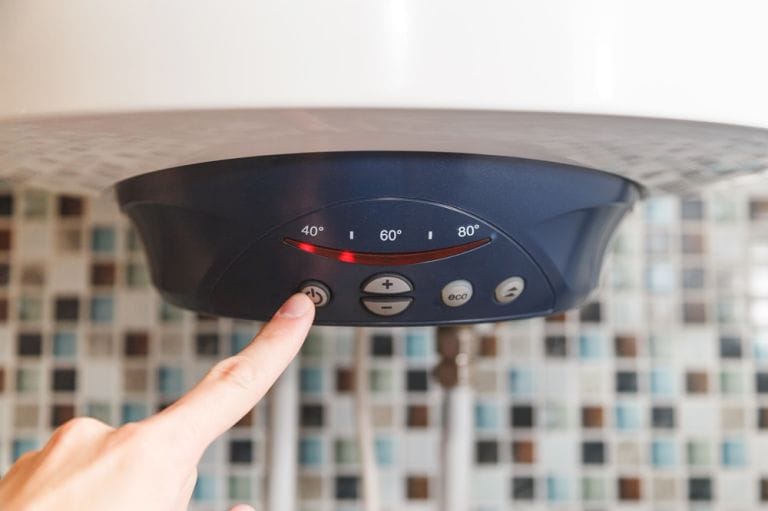
Electric vs gas: Make the right choice with BestHeating
Whilst electric heating wins on pure efficiency (100% of electricity is converted into heat), gas systems often win when drilling down to the cost per unit of heat in real-world usage. Your choice has to consider your home’s size, insulation, existing infrastructure, and usage patterns, as opposed to plain and simple “efficiency.”
To help you decide on the ideal choice for your home, explore the BestHeating Advice Centre for a wealth of information on different gas and electric heating options. And be sure to let us know about your gas and electric heating upgrades in the comments, or through our social channels on Instagram, Facebook or X.

John is a Research Specialist for the Best Heating Advice Centre, where for over nine years he has dedicated himself to demystifying home heating for our customers. He specialises in creating clear, data-driven guides and how-to articles by collaborating directly with our team of certified heating experts and product engineers.
His work, built on a foundation of journalistic research, has helped millions of readers make confident and informed decisions about their home heating. When he’s not breaking down the heat output differentials from radiators to heated towel rails, John fancies himself as a fine football and music connoisseur.