Contents
ToggleWhat we'll cover...
In this expert step-by-step guide, we’ll explain exactly why a thermostatic radiator valve (TRV) pin can sometimes get stuck, and how this seemingly minor issue can prevent your radiator from heating up properly. You’ll learn how to diagnose a stuck valve pin, understand the difference between a jammed TRV and other common radiator faults, and follow a clear, safe, DIY process to release the pin with the help of simple household tools.
We’ll also explain what to do if the pin refuses to move, outline how much professional repairs typically cost, and the best ways to stop the problem from recurring in the future. Along the way, we’ll also touch on tips surrounding valve replacement, sludge removal, and system maintenance, so you’ll have everything you need to keep your heating running smoothly.
Why a radiator stays cold: The TRV pin's role
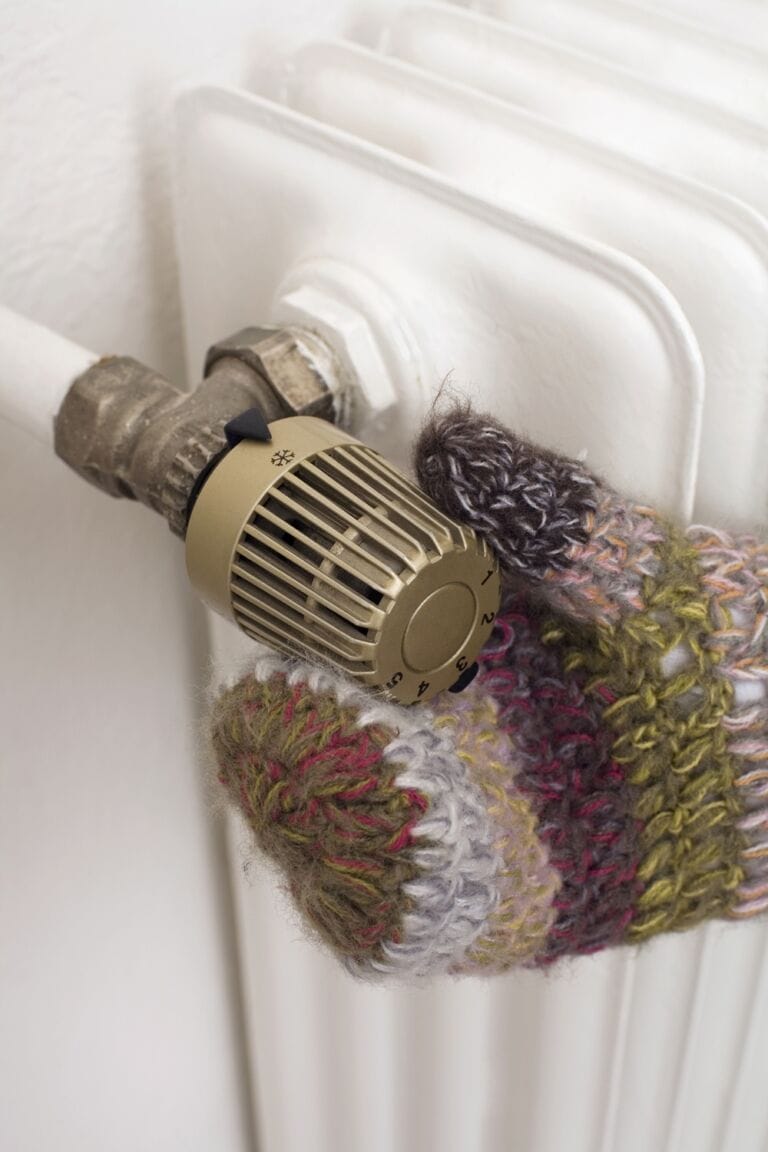
A thermostatic radiator valve (TRV) regulates the flow of hot water into home radiators by sensing room temperature via its head and adjusting a small metal pin inside the body of the valve accordingly.
If that pin becomes stuck in the “down/closed” position – which can be a common occurrence after long off-periods or patterns of disuse – it blocks the flow of hot water into the radiator, causing it to remain cold even while other radiators heat up.
Other mechanism issues (lockshield valve, airlock, sludge) can mimic the same symptoms, but when the TRV head turns and the radiator remains cold, the pin is the prime suspect.
How to know if your radiator valve pin is stuck
Symptoms to watch
- Radiator remains cold (or barely warm) despite the heating being switched on and other radiators working properly.
- TRV head turns but seems ineffective; dial moves but fails to alter the temperature.
- With the TRV head removed, the pin visibly remains down/not springing up.
- Flow pipe (inlet side) is cold or cool, in contrast to hot radiators.
- Occurs after a prolonged period when the radiator valve has been left untouched (e.g., summer) – many niche-relevant forum entries confirm this pattern, such as DIYnot.
When a stuck TRV pin isn't the problem...
- If a radiator is hot at the top but cold at the bottom, a build-up of radiator sludge is likely to be the root cause.
- If a radiator is gurgling, half-hot or cold and making hissing or air noises, that likely indicates an airlock in the radiator.
- A leak, or radiator not heating up at all, could indicate a fault with system pressure, or a pump or boiler issue.
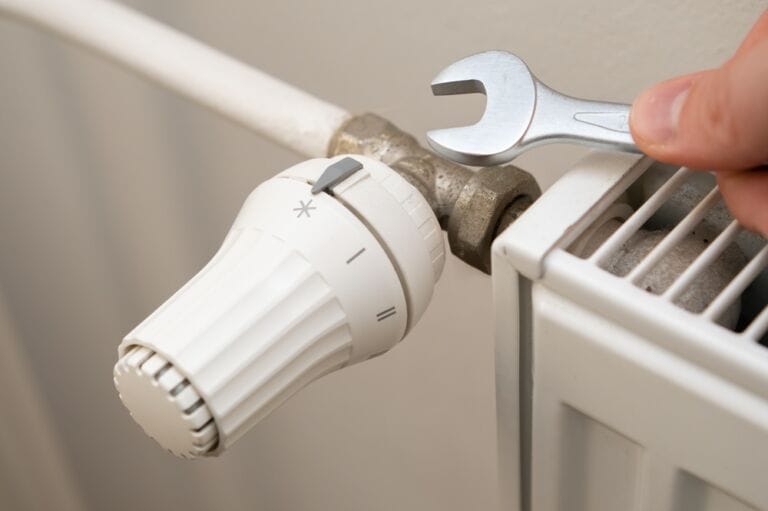
Releasing a stuck radiator valve pin: Step-by-step
What you'll need...
- Adjustable spanner or large pliers.
- Small hammer (or screwdriver handle) for light tapping.
- Needle-nose pliers (to grip the pin carefully).
- Penetrating/lubricating spray (e.g. light machine oil or WD-40).
- Absorbent cloth/towel to protect floor and catch drips.
- Gloves & eye protection recommended.
Step 1: Switch your heating off
For the purpose of the illustrations to come, we’ve obtained energy usage statistics from a number of respected energy industry sources.
- Typical gas use – Low: 7,500 kWh/yr. Medium/Average: 11,500 kWh/yr. High: 17,000 kWh/yr. (Ofgem)
- Illustrative 2025 gas unit rate (Apr–Jun 2025 price cap average) – 6.99p/kWh (regional/quarterly variation applies; standing charges unaffected by savings). (Which?)
- Heating share of gas use (UK homes) – 77% used for space heating (remainder made up of hot water/cooking). (Beama)
- Evidence‑based saving factors –
- Smart thermostat: 5% on average, up to 14% for engaged users. (GOV.UK)
- TRVs: 18% of heating energy ≈ 14% of total gas during heating process = 77%. (beama.org.uk)
Step 2: Remove the TRV head
- Turn TRV dial to maximum (often “5”) to ensure pin is fully retracted where possible.
- Loosen and remove the plastic or metal collar beneath the TRV head (typically hand-unscrew anti-clockwise).
- Pull off the TRV head to expose the valve body and the pin.
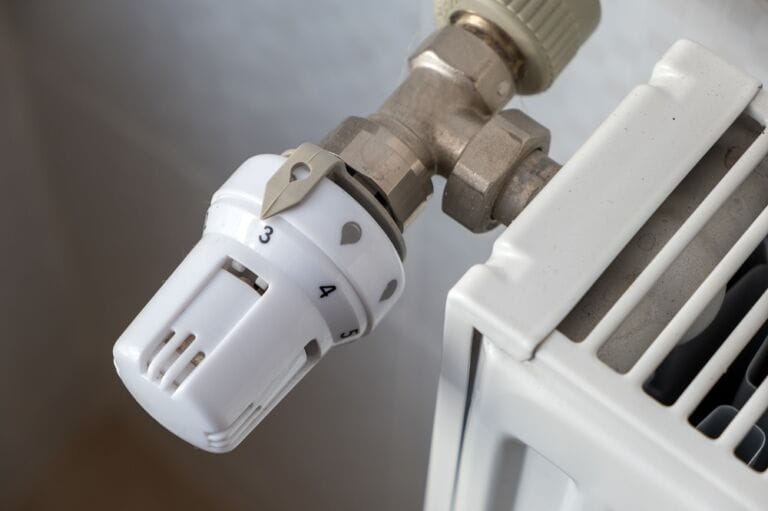
Step 3: Locate and inspect the pin
- The pin is a small cylindrical metal piece in the centre of the valve.
- Ideally, the pin will spring up on its own once the pressure is relieved.
- If it is stuck down, very sluggish or won’t move up, it confirms the pin is the problem of the scenario.
- Use a light cloth around the pin if necessary; avoid pulling the pin out of its seat.
Step 4: Gently tap the valve body
- Use a small hammer or screwdriver handle to lightly tap around the valve body (avoid touching the pin itself!).
- The aim is to create a vibration that will loosen debris or minor corrosion surrounding the pin.
- 5-10 taps evenly spaced around body are adequate for this step.
Remember to tap gently, and to avoid hitting the valve body hard – it may damage threads or cause leaks.
Step 5: Free the pin
- Using needle-nose pliers, grip the pin at the base and gently move it up and down a few millimetres.
- When you feel smooth movement and the pin springs up after release, it’s freed.
- Don’t force the pin ultra-hard. If it resists heavily, it may be failing or stuck too tight.
Step 6: Lubricate the pin
- Many condensers will lock out if overheating occurs. Use the boiler’s reset button as indicated in the boiler manual.
- After resetting, keep an eye on the system while it fires back up. If noise persists immediately, move onto the next step.
Step 7: Reassemble and test
- Reattach the TRV head and hand-tighten the collar.
- Switch the dial back to its normal setting.
- Turn heating on and wait around 10 to 20 minutes.
- The flow pipe should become warm, and the radiator should heat evenly from top to bottom.
- If the radiator remains cold, follow the measures in the troubleshooting section below.
What to do if the pin won't budge
If all the above fails, here are the next steps to follow…
- Double-check lockshield valve: Is the return valve open a half turn? A locked return valve can mirror stuck pin symptoms.
- Replace TRV head: If you have the same make and model elsewhere, swap TRV heads temporarily to see if the problem relocates.
- Consider full valve body replacement: If the pin has physical corrosion, is leaking, or completely unresponsive, the valve could have failed.
Estimated UK costs:
- Radiator valve replacement labour/parts £50-£100+ labour. (MyJobQuote)
- If there’s a leak or internal valve body damage, costs could rise to £100-£180. (National Plumbing Services)
- Call an engineer: If you lack confidence, or if you discover internal leaks, system pressure drops, or multiple radiators being affected, it’s strongly recommended to seek professional help.
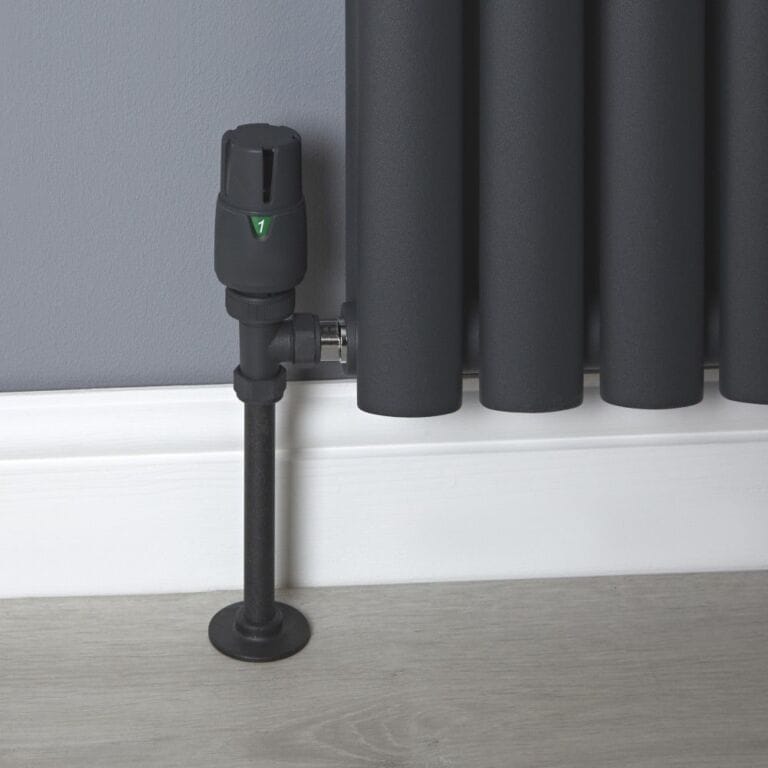
How to prevent a radiator valve pin from sticking
- At the end of each heating season, switch each TRV fully off and then fully on a few times to keep the pin moving freely.
- Maintain inhibitor levels in your central heating system to decrease corrosion and scale.
- During an annual boiler service, ask the engineer to check TRV pins and valves.
- If you live in an area with particularly hard water, take added care: pinned-up TRVs are far more likely during long off-periods of usage.
- Invest in smart radiator valves if you rarely adjust a room on a manual basis – they keep the mechanism active and therefore less likely to falter.
Still having radiator problems?
If fixing the TRV pin doesn’t restore heat, you might need to browse our detailed guides in the BestHeating Advice Centre for a complete troubleshooting path to a whole host of radiator valve issues and information.
Cost overview (UK typical ranges)
Task | Typical DIY-friendly cost | Pro repair cost range | Notes |
Freeing stuck pin (DIY) | £0-£10 (lubricant + time) | N/A | If successful, great value |
TRV head replacement | £10-£50 parts | Labour additional (£40-80/hr) MyJobQuote | Good for faulty head only |
Valve body replacement | N/A DIY | £100-£180 typical repair range National Plumbing Services | Includes labour & parts |
System issue diagnosis | N/A | Call for quote | If multiple radiators or system fault |
Home heating help and advice from BestHeating
A radiator that won’t heat up because the pin in its TRV is stuck is a very common problem, and often a relatively easy DIY fix. Follow the steps cautiously, using the correct tools and following appropriate safety precautions, and you’ll restore heat without major cost.
- Turn off the heating system and allow it to cool down.
- Remove the TRV head, locate and inspect the pin.
- Tap the body lightly, free the pin, lubricate, re-assemble and test.
- If still cold: check lockshield, replace valve body or call a professional.
- Prevent recurrence by exercising TRVs and maintaining inhibitor levels all year round.
Don’t let a single cold radiator turn into a heating bill headache. Fix the pin, get back to cosy, and stay warm. And be sure to tell us about your best home heating hacks and hints in the comments below, or through our social channels on Instagram, Facebook or X.

John is a Research Specialist for the Best Heating Advice Centre, where for over nine years he has dedicated himself to demystifying home heating for our customers. He specialises in creating clear, data-driven guides and how-to articles by collaborating directly with our team of certified heating experts and product engineers.
His work, built on a foundation of journalistic research, has helped millions of readers make confident and informed decisions about their home heating. When he’s not breaking down the heat output differentials from radiators to heated towel rails, John fancies himself as a fine football and music connoisseur.