Contents
ToggleWhat we'll cover...
The UK government’s Warm Homes Plan is one of the most important domestic energy initiatives announced in recent years and for many homeowners, it could fundamentally change the way their home is heated, insulated and paid for. In this guide, we’ll delve into what the Warm Homes scheme is, how it works in practice, who qualifies, what improvements are covered, and how the application process works in cohesion with local authorities. We’ll also explain how the scheme fits into the UK’s wider shift away from inefficient heating, what it means for different property types, and the practical steps homeowners should be taking right now to prepare for the change.
What is the Warm Homes Plan?
The Warm Homes Plan is a government-funded programme which is designed to tackle three long-standing problems in the UK housing system:
- Homes that are expensive to heat
- Properties that suffer from poor insulation and heat loss
- Households experiencing or at risk of fuel poverty
At the core of the scheme is the Warm Homes: Local Grant, a £500 million fund being delivered by councils across England between 2025 and 2028. Instead of applying directly to a national body, homeowners and tenants will instead engage through their local authority, which will manage eligibility checks, surveys, funding allocation and installation work.
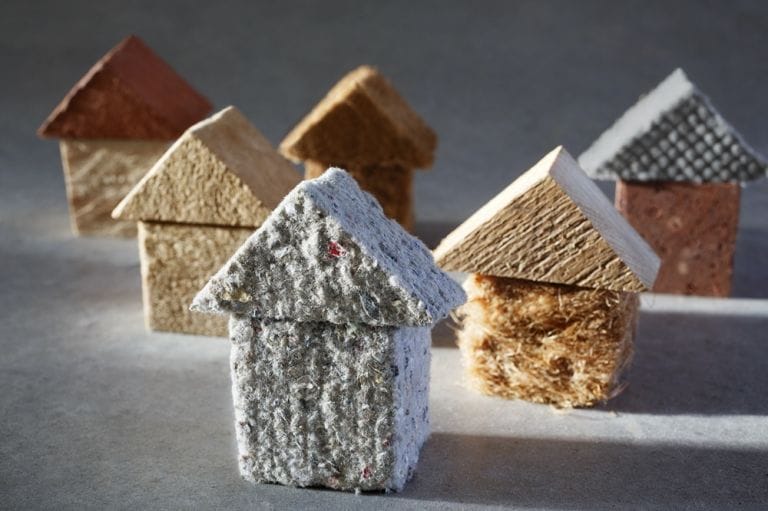
The focus is on more than simply replacing heating systems; also reducing how much heat homes need from the outset – a key distinction that differentiates the Warm Homes scheme from earlier initiatives.
Why the Warm Homes scheme matters now
The timing of the Warm Homes Plan is not a coincidence. Several pressures have converged ahead of its 2026 announcement:
- UK homes remain some of the least energy-efficient properties across the whole of Europe
- Energy prices are historically high despite a level of stabilisation
- Millions of properties still rely on outdated boilers, storage heaters or oil systems
- The UK government has legally binding targets to reduce emissions from housing
Simply put, continuing to heat poorly insulated homes with outdated systems is no longer economically or environmentally sustainable. The Warm Homes Plan is to be implemented to fix the building first, then ensure heating systems work efficiently within it.
Who can apply for the Warm Homes Plan?
Eligibility is assessed at a local level, but the scheme is deliberately broad to reach those worst affected by high heating costs.
You are more likely to qualify if:
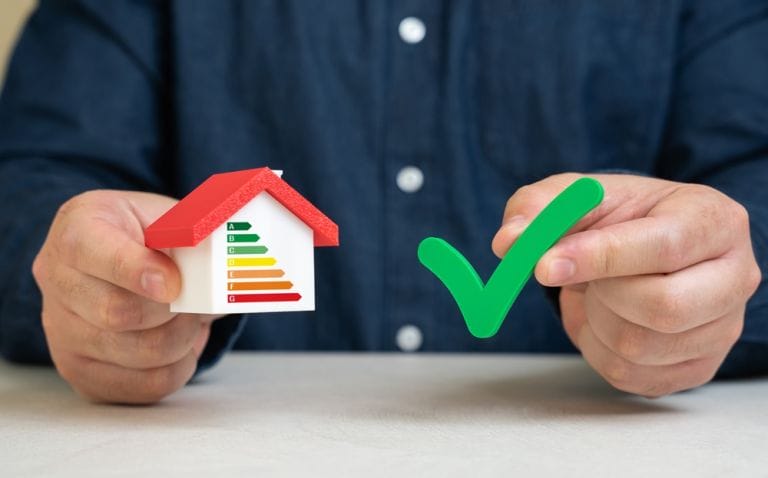
- Your home has a low Energy Performance Certificate (EPC) rating (typically D-G)
- Your household income falls below a council-defined threshold
- You receive certain means-tested benefits
- You live in an area identified as having high fuel poverty
- Your home relies on inefficient heating (older gas boilers, storage heaters, oil or LPG)
Homeowners and private tenants alike can qualify, although renters will require the consent of their landlord before proceeding with any work.
Vitally, this scheme is not solely limited to off-grid homes. Gas-heated properties are very much within scope, particularly in cases involving poor insulation levels.
What improvements are covered under the Warm Homes Plan?
The scheme follows a fabric-first retrofit approach, meaning insulation and heat retention are targeted before heating upgrades wherever possible.
Insulation and building improvements
These are often the first measures installed and may include but not be limited to:
- Loft and roof insulation
- Cavity wall insulation
- Solid wall insulation (internal or external)
- Underfloor insulation
- Draught-proofing and pipe insulation
These upgrades aim to cause a dramatic reduction in heat loss, enabling radiators and alternative heating devices such as towel rails to work more efficiently, no matter whether the system is gas or electric.
Heating upgrades and controls
Once the fabric of the property has been improved, more involved heating measures and upgrades may be introduced, such as:
- Air source heat pumps
- Ground source heat pumps
- Solar panels
- Hybrid systems (heat pump and boiler)
- High retention electric heaters
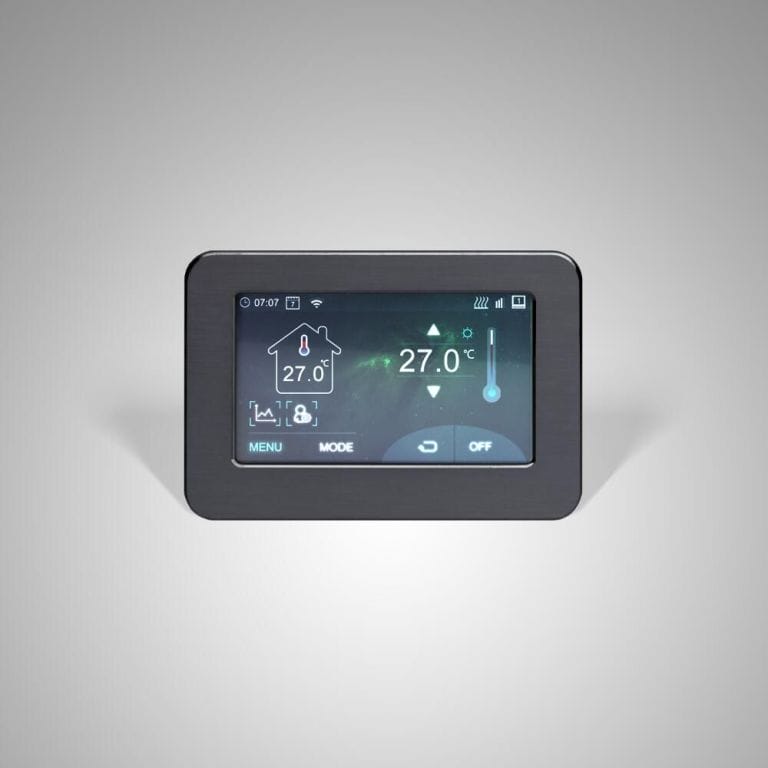
- Modern thermostats and zoned heating controls
It should be noted that not every home will receive every measure. Ultimately, the goal is to arrive at the appropriate improvement, as opposed to maximum installation.
How the Warm Homes Plan works: Step by step
Although funding works on a national scale, the process is deliberately in reflection of regional housing stock.
- Register interest or apply
This is typically done via a council portal or government gateway. - Eligibility screening
Basic checks based around income, EPC rating and property type. - Professional home assessment
A qualified assessor reviews levels of insulation, heat loss, radiators, pipework and heating demand in a home. - Improvement plan agreed
Measures are selected and agreed upon based on impact, cost and suitability. - Installation by approved contractors
Work is scheduled and completed with minimal homeowner involvement. - Post-installation checks
Ensures standards are met and systems operate correctly.
For most households, the Warm Homes Plan will remove the complexity and admin traditionally associated with home energy upgrades, also offsetting much of or the total cost.
What homeowners should be doing now for the Warm Homes Plan
Although funding is rolled out on a regional basis, preparation is key.
Check (or update) your EPC
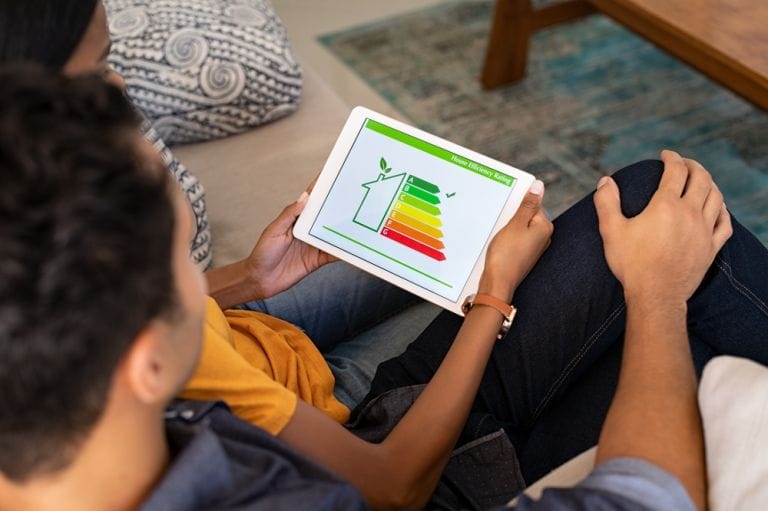
If your EPC is outdated, it may not reflect your current eligibility for the Warm Homes scheme. An up-to-date EPC can significantly speed up the assessment process.
Take stock of your heating
Inspect and take note of:
- Boiler or heater age
- Radiator performance
- Cold spots or rooms that are slow to warm up
These are the types of issues assessors will look out for and view as potential red flags.
Identify insulation gaps
Lofts, suspended floors and uninsulated walls are common weak points in properties. Such areas are likely to be the first marked for improvement under the scheme.
Register interest early
Even if applications aren’t live yet under your local jurisdiction, registering your interest can help ensure you’ll be notified when funding eventually opens.
Speak to your local council
Some local authorities will publish rollout timetables months in advance. They might be able to give you an estimated timeframe of when applications will be available.
Landlords: Review your stock
The scheme also aims to assist landlords in future-proofing properties and improving EPC compliance ahead of tightening regulations coming to fruition.
How the Warm Homes Plan affects different homes
What type of home you have will influence what kind of adjustments are recommended under the Warm Homes scheme…
Older and period properties
Older and period properties will often suffer the highest level of heat loss. Insulation upgrades, combined with efficient radiators or low-temperature systems, can dramatically improve comfort.
Flats and smaller properties
Where external changes are limited, internal insulation and electric heating upgrades are often favoured.
Rural and off-gas homes
Heat pumps and modern electric systems can significantly reduce long-term running costs.
Extensions and conversions
Upgrades can target specific problem areas without causing significant disruption to the entire home.
How Warm Homes fits into the UK's heating future
While gas boilers are not being banned outright, the UK’s policy direction and targets are clear. Over time, the aim is to make homes reliant upon:
- Better insulation
- Smart heating controls
- More electric and renewable heating systems
The Warm Homes Plan will help households to transition gradually, as opposed to forcing rushed or costly upgrades in the future. Low and zero-interest loans will be available to help people complete sustainable home heating upgrades regardless of income, with fully funded government support provided to low-income families.
Why the Warm Homes Plan is genuinely different to past initiatives
Unlike past initiatives, the Warm Homes Plan:
- Is tailored locally, not centrally rigid
- Focuses on long-term comfort as opposed to quick fixes
- Reduces energy bills by lowering heat demand, not just changing fuel
- Makes future heating changes easier, not harder
For many UK homeowners, the Warm Homes scheme will essentially be the most accessible route to meaningful energy upgrades in a generation.
Warm Homes Plan: Key details
| Category | Key detail | Impact for homeowners |
|---|---|---|
| Launch Date | 20 January 2026 | Confirms this is an active, formal government programme |
| Total Investment | £15 billion | Largest single investment in home energy upgrades in recent years |
| Duration | 5 years | Structured, long-term delivery rather than short-term funding bursts |
| Target Homes | Up to 5 million by 2030 | Significant proportion of UK housing stock |
| Delivery Model | Local authorities + Warm Homes Agency | Regionally tailored support and oversight |
| Support for Low-Income Households | Fully funded measures available | Removes upfront cost barrier for vulnerable households |
| Loan Support | Low/zero-interest finance options | Helps middle-income households upgrade affordably |
| Technologies Covered | Insulation, heat pumps, solar panels, smart controls | Fabric-first approach plus renewable tech |
| Rental Sector Impact | New minimum energy standards | Landlords likely required to upgrade EPC ratings |
| Solar Expansion | “Rooftop revolution” commitment | Greater push toward domestic energy generation |
| Carbon Reduction Goal | Significant reduction in domestic emissions | Supports UK net zero commitments |
| Fuel Poverty Focus | Direct reduction in heating costs | Immediate financial impact for eligible homes |
Complete your home heating upgrade with confidence
Whether you’re working out your eligibility or actively preparing to apply, understanding how your home loses heat – and how your radiators and controls perform – will put you in a much stronger position when applying for the Warm Homes Plan.
At BestHeating, we specialise in energy efficient radiators, electric heating solutions and modern smart controls designed to work in beautiful cohesion with insulation upgrades. Our premium quality heating collection can help homeowners get the most from schemes like Warm Homes, now and in the future.
Make sure to let us know your thoughts or experiences with the Warm Homes scheme in the comments below, or show off your home heating upgrades by reaching out to us on Instagram, Facebook or X.

John is a Research Specialist for the Best Heating Advice Centre, where for over nine years he has dedicated himself to demystifying home heating for our customers. He specialises in creating clear, data-driven guides and how-to articles by collaborating directly with our team of certified heating experts and product engineers.
His work, built on a foundation of journalistic research, has helped millions of readers make confident and informed decisions about their home heating. When he’s not breaking down the heat output differentials from radiators to heated towel rails, John fancies himself as a fine football and music connoisseur.