Contents
ToggleWhat we'll cover...
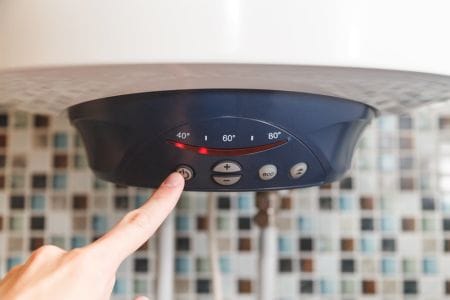
As UK homes move toward lower-carbon heating and greater energy independence, interest in electric systems – from heat pumps to smart electric radiators – has surged.
In this guide, we’ll walk through why homeowners are switching from gas to electric heating, the benefits and drawbacks, the systems available, how installation works, how much it all costs, and which system fits different types of homes.
Going from gas to electric heating
A heating system is one of the most important and most expensive parts of any UK home, so deciding whether to stay with gas or switch to electricity isn’t a decision to take lightly. Whether you’re motivated by decarbonising your home, upgrading an ageing gas boiler, or simply want to reduce maintenance costs, electric heating offers compelling advantages – especially when teamed alongside smart heating controls and good home insulation.
But is switching from gas to electric heating the right decision for your home?
Why switch to electric heating?
The UK heating landscape continues to evolve. Gas heating has been the default selection for decades; cheap, convenient and easy to maintain. But rising environmental expectations, a changing energy market and increasing interest in renewable power have led more homeowners to consider alternatives.
Electric heating systems offer a few significant advantages, as detailed below.
Key benefits of electric heating
1. Exceptional efficiency
Electric radiators and boilers convert 100% of electricity into heat, with no combustion losses, no flue gases, and no chimney heat waste. Heat pumps go even further, achieving efficiency levels of anywhere between 250-400% (Coefficient of performance or COP 2.5-4), meaning they produce several units of heat for every single unit of electricity consumed.
2. Minimal maintenance
By comparison with gas heating options, electric heating systems need minimal maintenance measures to operate at full capacity.
No gas safety checks.
No flue servicing.
No risk of carbon monoxide.
And far fewer moving parts.
Most electric systems require little more than periodic cleaning and occasional electrical checks.
3. High flexibility and zoning
Electric heating enables you to target specific rooms with zonal heating, as opposed to firing up the whole house. With smart controls, you can:
- Pre-heat rooms on an individual basis
- Schedule temperatures by zone
- Reduce energy waste
- Optimise comfort
4. Works with renewable power
If you have solar panels or a green energy tariff, electric heating can become an extremely low-carbon solution.
5. Ideal for renovations and extensions
Electricity doesn’t require pipe runs, flues or drainage. As such, makes for a perfect solution for the likes of loft conversions, garden rooms, and flats.
Considerations and drawbacks of electric heating
Switching to electric heating is not an ideal option for every home. There are some disadvantages to consider as well.
- Higher running costs per kWh – especially in areas where electricity prices are particularly high.
- Potential power supply upgrades – some homes might require fuse-board improvements to support larger systems.
- Insulation requirements – electric systems (especially those powered by heat pumps) perform best in well-insulated homes.
- Higher upfront cost for heat pumps – in comparison with gas boilers.
Selecting your electric heating system
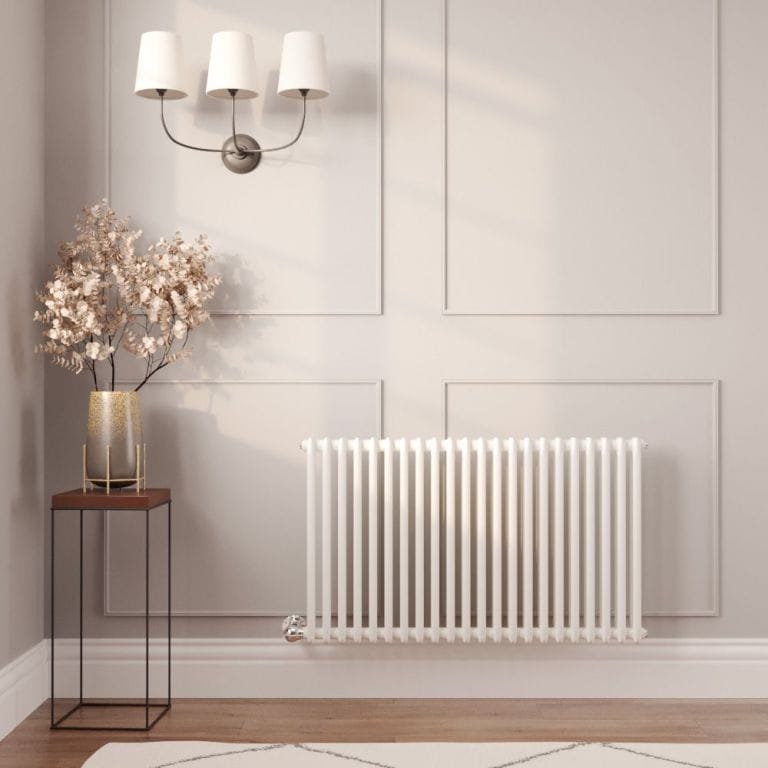
If you do decide to make the switch from gas to electric heating, you need to understand the different available types, and which style is best suited to your specific household. Below is an exploration of the various different types, and for whom they are the best fit.
Heat pumps - The leading low-carbon option
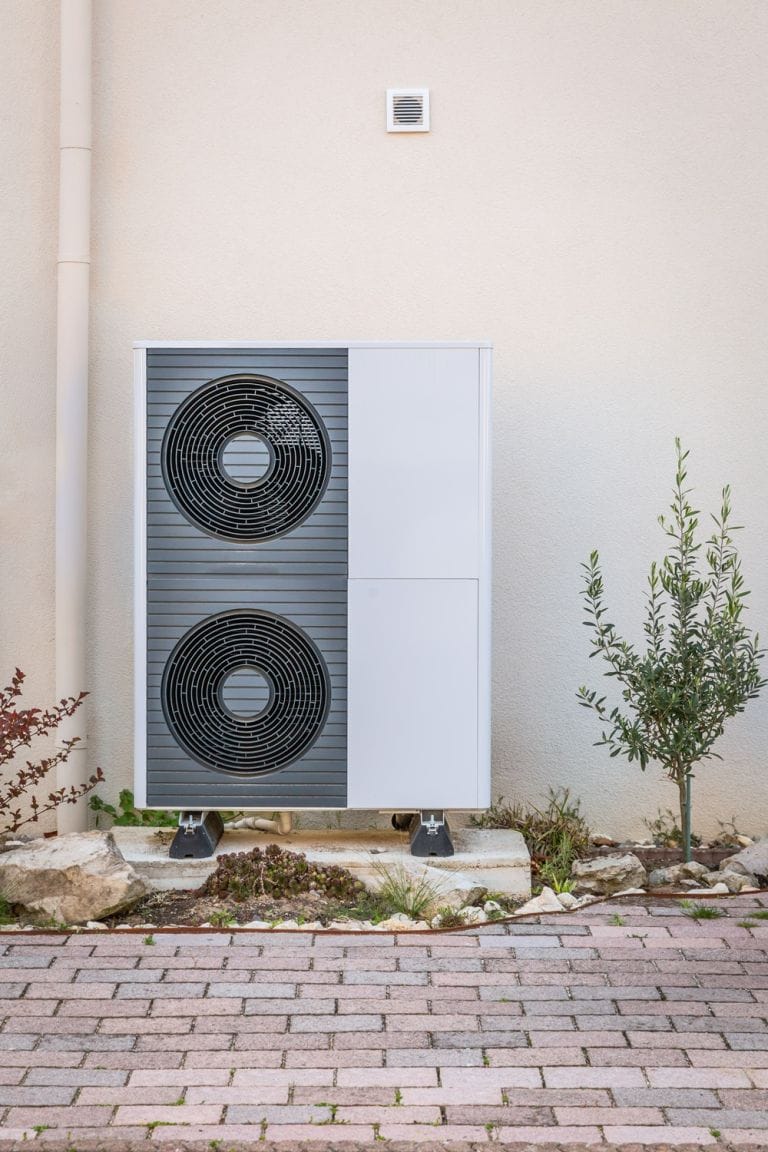
Heat pumps extract natural heat from the air or ground (depending on whether you opt for an air source or ground source heat pump) and deliver it into your home. Because they move heat as opposed to generating it, they work extremely efficiently.
Air source heat pumps (ASHPs)
- Best for most UK homes
- Outdoor installation
- Work alongside radiators or underfloor heating
Ground source heat pumps (GSHPs)
- Highest efficiency levels
- Require outdoor ground loops
- Perfect for rural or larger properties
Pros
- Lowest running costs of any electric heating system
- Eligible for government grants (Boiler Upgrade Scheme)
- Future-proof and environmentally friendly
Cons
- Higher upfront installation cost
- Radiator upgrades may be required
- Best performance at low flow temperatures
If you do opt for this type of component, our homeowner’s guide to heat pump maintenance will come in handy.
Electric boilers - A simple swap for gas boilers
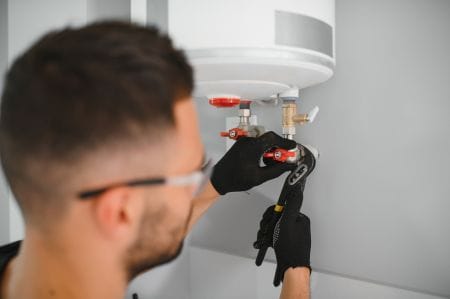
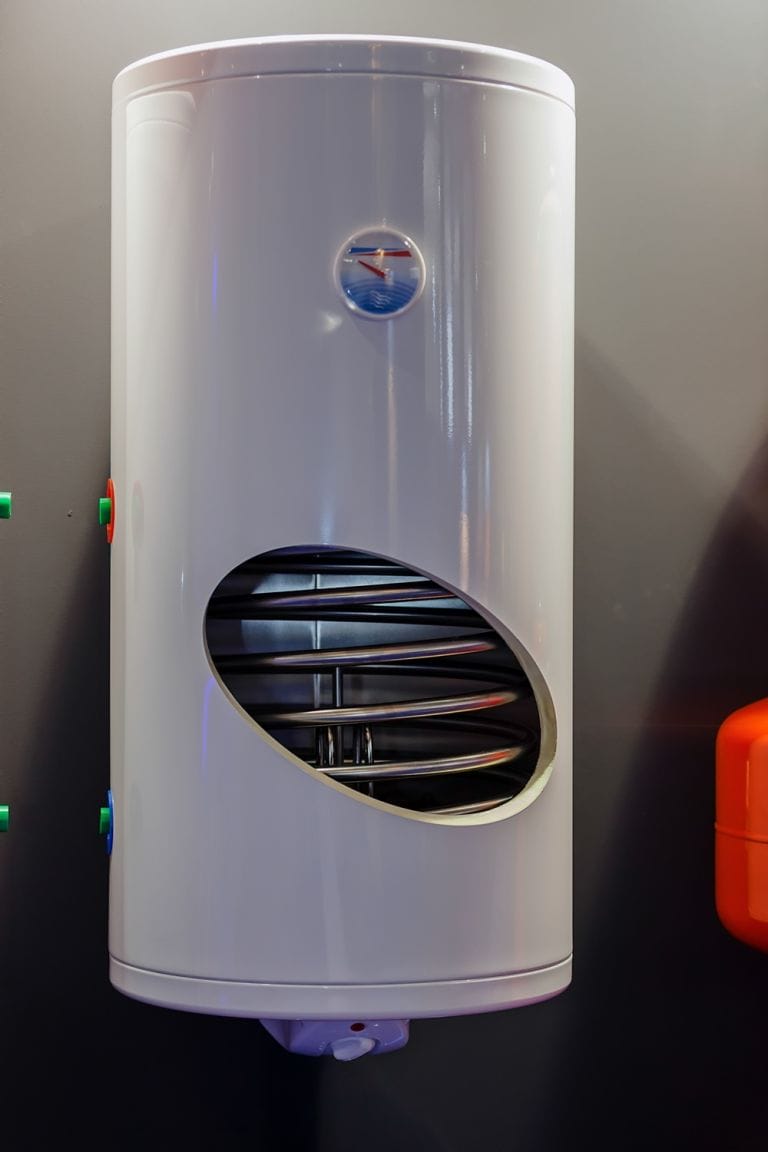
Electric boilers heat water for radiators or hot water cylinders, in a very similar way to a gas boiler, but without combustion.
Pros
- Simple installation process
- Compatible with existing radiators
- Compact and quiet operation
Cons
- Higher running costs than gas systems
- Some homes require electrical upgrades
Electric radiators & infrared heating - Ideal for zoning
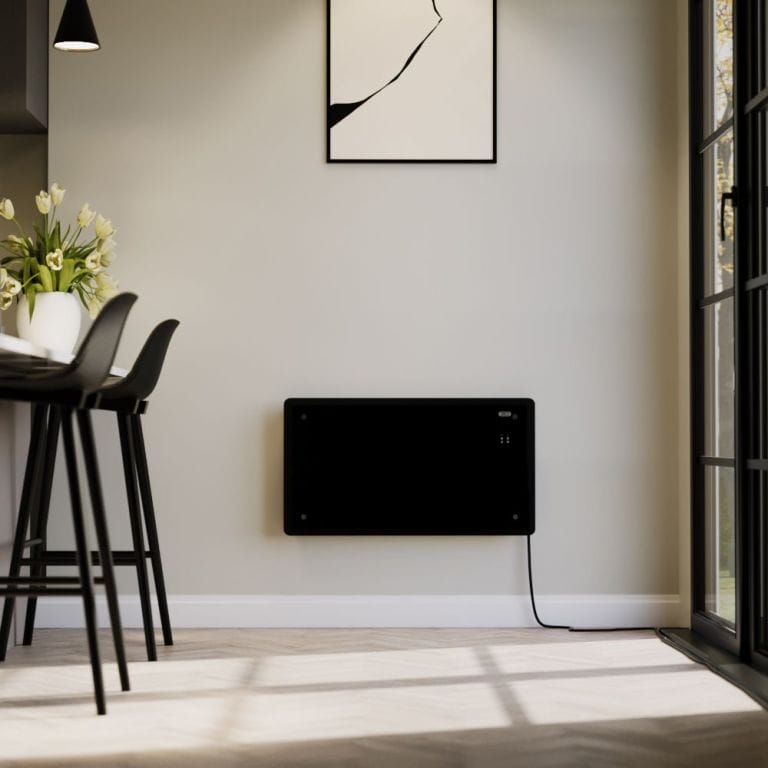
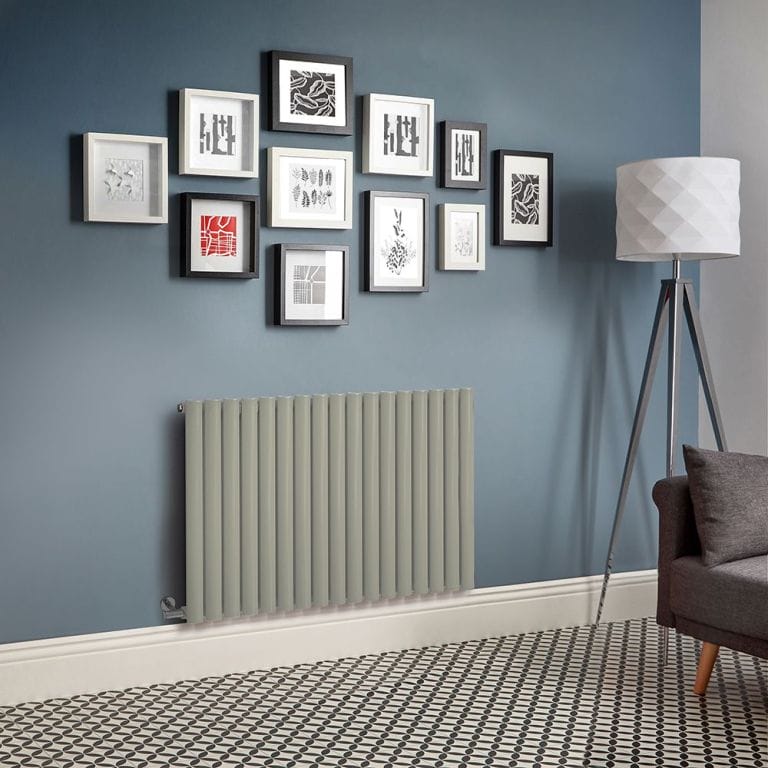
Electric radiators and infrared heating panels offer a quick installation process and precise room-by-room control with in-built thermostats.
Infrared panels
- Heat objects rather than air
- Useful in draughty or open-plan living spaces
Pros
- Zero pipework
- No boiler required
- Excellent controllability
Cons
- Whole-home heating can be more expensive
Property-specific considerations for gas and electric heating
Not every home is equally suited to every system. Make property-specific considerations based on the size and layout of the space.
Property Type | Best Electric Options | Key Considerations |
New builds | Heat pumps | High insulation levels ideal |
Older homes | Electric radiators or electric boiler | Insulation improvements advised |
Flats | Electric radiators | No outdoor unit needed |
Off-grid rural homes | Heat pumps | Excellent running-cost benefit |
Extensions & conversions | Electric radiators or infrared | Low installation disruption |
The installation process in switching from gas to electric heating
Switching from gas to electric heating happens in several defined stages. Here’s what to expect.
1. Home assessment
A heating professional will evaluate:
- Heat loss levels
- Insulation quality
- Radiator sizes
- Your current electrical capacity
- Space for external units (if applicable)
2. System selection
You decide whether you require:
- A heat pump
- An electric boiler
- Electric radiators
- A mixed system (common for larger homes)
3. Gas system decommissioning
This may include:
- Removing the existing boiler
- Capping the gas line
- Decommissioning old tanks or cylinders
- Removing flues or gas pipes
4. Installation timeline
Heat pump installation
Air source heat pumps will typically take between one to five days to install depending on complexity. For a more disruptive ground source heat pump fitting, a few weeks should be allowed, with groundwork and extra drilling usually needed.
Electric boiler installation
An electric boiler installation should be a relatively straightforward process for a professional plumber and take one or two days to complete.
Electric radiator installation
Electric radiator installation is often completed in a single day with minimal disruption.
5. Smart heating setup
Your installer will configure:
- Smart TRVs
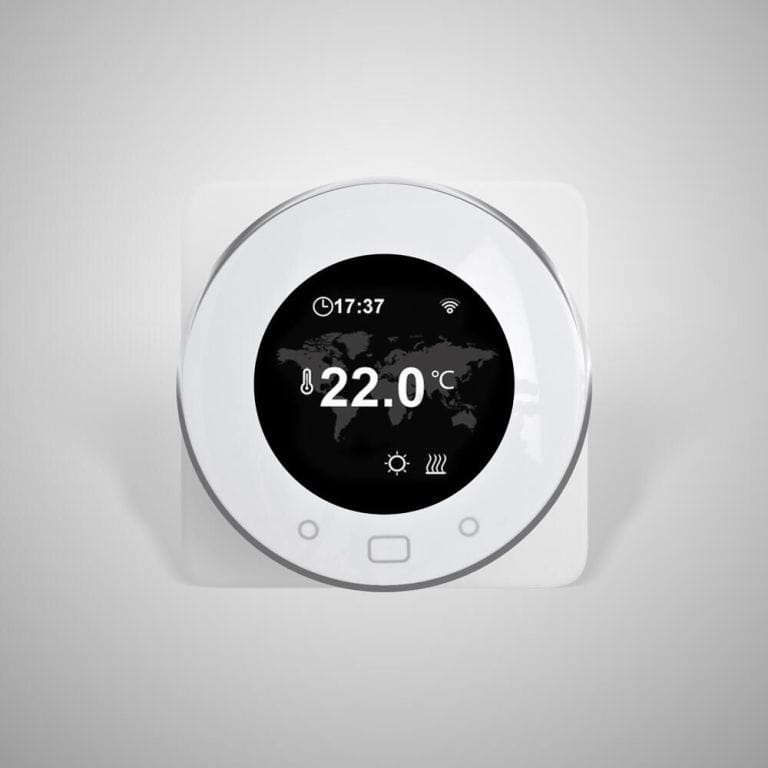
- Smart thermostats
- App-based scheduling
- Zoning programs
For help in this regard, our guide on How to set up a smart heating system should be consulted.
Electric heating cost comparison
Running costs: Gas vs electric vs heat pump
System | Typical Efficiency | Cost per kWh (2024 avg) | Approx Cost per 1kWh of Heat | Notes |
Gas boiler | 85-94% | 7-9p | 8-10p | Some heat lost through flue |
Electric radiator | 100% | 27-30p | 27-30p | Perfect for zoning |
Electric boiler | 100% | 27-30p | 27-30p | Best for replacing existing boiler |
ASHP heat pump | 250-400% (COP 2.5-4) | 27-30p | 8-12p | Most cost-effective electric option |
Upfront electric heating installation costs
System | Typical Installed Cost | What’s Included |
Electric radiators | £150-£600 per radiator | Wiring, mounting, thermostats |
Electric boiler | £1,500-£4,000 | Boiler unit, wiring, integration |
Air-source heat pump | £7,000-£14,000 | Outdoor unit, cylinder, upgrades |
Ground-source heat pump | £14,000-£25,000+ | Ground loop drilling/trenching |
Electric heating grants and schemes
Boiler Upgrade Scheme (England & Wales)
- Up to £7,500 toward an air-source heat pump
- Up to £7,500 toward a ground-source heat pump
- Must be replacing fossil fuel heating
- EPC requirements may apply
ECO4 Scheme
Support for low-income households wanting to upgrade heating and insulation
Frequently Asked Questions
Is switching to electric worth it?
Yes. Electric heating is worth switching to if you want low-maintenance, future-proof heating and can invest in good insulation or smart zoning.
What is the most efficient electric heating system?
A heat pump is the most efficient source of electric heating by some way, with running costs at a similar level to gas.
Are electric radiators cheaper to run than gas?
Electric radiators are not typically cheaper to run than gas, but zoning and smart controls can reduce the amount of wasted energy.
How long does installation take?
Different types of electric heating installations take a different amount of time to complete. There are rough estimates for each kind below.
- Electric radiators: 1 day
- Electric boiler: 1-2 days
- Heat pump: 2-5 days (air source), a few weeks (ground source)
Is gas heating being phased out?
Not immediately. Existing boilers are still allowed, but the UK is steering toward electric and renewable heating long-term.
Complete your electric heating switch with BestHeating
Switching from a gas system to an electric version can be a major home upgrade. Each from a financial, practical and environmental standpoint. Whether you’re exploring upgrading to a heat pump, an electric boiler or room-by-room smart radiators, BestHeating can help you complete your electric heating switch in style.
Get in touch with us about your switch from gas to electric heating in the comments below, or contact us via Instagram, Facebook or X.

John is a Research Specialist for the Best Heating Advice Centre, where for over nine years he has dedicated himself to demystifying home heating for our customers. He specialises in creating clear, data-driven guides and how-to articles by collaborating directly with our team of certified heating experts and product engineers.
His work, built on a foundation of journalistic research, has helped millions of readers make confident and informed decisions about their home heating. When he’s not breaking down the heat output differentials from radiators to heated towel rails, John fancies himself as a fine football and music connoisseur.