Contents
ToggleWhat we'll cover...
This guide will explain how to prevent damp and mould with effective heating, and offer insights into why they are so common in UK homes during winter. We’ll explore how your heating habits, radiator performance, and overall temperature control can play a crucial role in preventing condensation and mould growth. You’ll learn:
- The real causes of winter mould (and why cold rooms are the worst offenders)
- How to use heating strategically to minimise moisture
- Expert ways to stabilise temperatures using smart controls
- Heating upgrades that help prevent damp
- Key radiator checks that stop hidden mould behind radiators
- Clear answers to the biggest mould-and-heating questions homeowners ask
Damp and mould prevention with home heating
Year on year, as temperatures drop in winter and windows fog up, UK homeowners face the same seasonal battle: condensation, damp patches and mould. These typically appear in the coldest corners of your home, behind radiators, or on unheated external walls.
While ventilation often gets the main credit, effective heating is equally as important in the prevention of mould. In the absence of consistent warmth, cold surfaces attract condensation, which then soaks into walls, plaster and paintwork. After a little while, mould spores get the perfect environment to grow.
In this article, we’ll provide you with all you need to know to use your home heating system as a powerful tool in the battle against damp and mould. Plus, the best preventative measures to take to avoid creating their nasty little ideal habitat in your lovely home.

What causes damp and mould in winter?
Damp and mould thrive in cold, under-heated, poorly ventilated spaces. This, combined with typical winter conditions, can create the perfect storm:
Condensation
Warm indoor air holds onto moisture. When that warm air drifts onto a cold surface, such as –
- external walls
- uninsulated corners
- behind wardrobes
- behind radiators
- cold window glass
it rapidly cools down and releases water droplets. That is the process of condensation, which is the primary cause of mould.
Everyday household humidity
Most households create litres of moisture daily:
- Showering: up to 1 litre
- Cooking: up to 1 litre
- Drying clothes indoors: 2-3 litres+
- Breathing (yes, really): 0.2 litres per person per night
Source: Healthy Homes
Without the necessary heat to dry out surfaces or ensure the air remains stable, that moisture soaks into cold walls and eventually transforms into mould.
Why winter makes it worse
Winter conditions can lend themselves to the growth of mould and damp for a few reasons:
- You keep windows closed
- The heating is off for longer periods
- Surfaces are colder
- Rooms are more humid
Combine these factors and the result is classic winter mould – particularly in bedrooms, bathrooms, and unused rooms.

The dangers of unheated rooms
One of the biggest misconceptions in UK homes is that rooms that are typically unused are fine to be kept cold almost all throughout the year.
In actual fact, turning off radiators in unused rooms leads to cold walls, and cold walls lead to mould.
Even if you don’t use a room regularly, allowing the temperature to drop below 14°C creates:
- Cold surfaces where moisture instantly condenses
- A “cold trap” that pulls warm, moist air from other rooms
- Risk of mould behind furniture and radiators
- Damp odours
- Long-term plaster damage
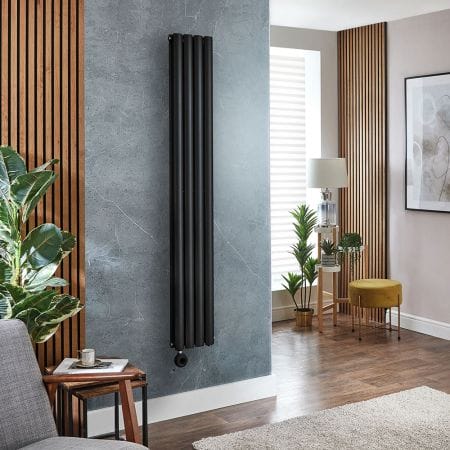
Essentially, every room needs a minimum level of “background heat” to avoid cold surfaces from forming. For rooms that are used less regularly, the addition of an electric radiator or portable electric heater might be a viable option to consider.
Discover more in our resources, The dangers of NOT using your heating, and Should I dry my clothes on a radiator?
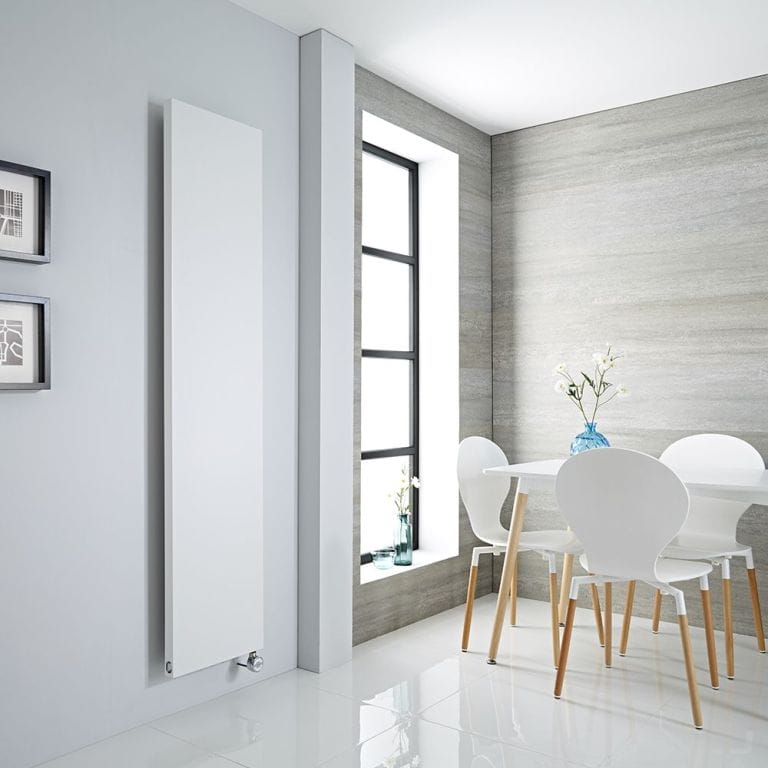
How heating can prevent damp and mould
Does heating prevent mould?
Yes, and it’s one of the most effective tools you have at your disposal.
Heating helps by:
- Raising wall temperatures
- Reducing the “cold surface effect”
- Stabilising indoor air so it holds moisture properly
- Allowing condensation to evaporate naturally
- Preventing humidity drifting into colder rooms
It’s not about blasting the heating at full whack all day – it’s about your heating strategy.
Adjusting temperatures to avoid mould
Keeping your whole home at a consistent baseline temperature is key.
BestHeating recommends:
- Main rooms: 18-20°C
- Unused rooms: 16-18°C (don’t go below 14°C)
- Bathroom drying mode: short bursts of higher heat reduce lingering moisture
Frequent temperature swings – for example, letting the house get very cold during the day and reheating it quickly – increase condensation.
For further insights, read our resources:
Using smart heating to manage moisture
Smart heating isn’t only about saving money. It’s also a highly effective anti-mould weapon.
Zoned heating
Zoned heating enables you to heat individual rooms independently, and save money and energy using:
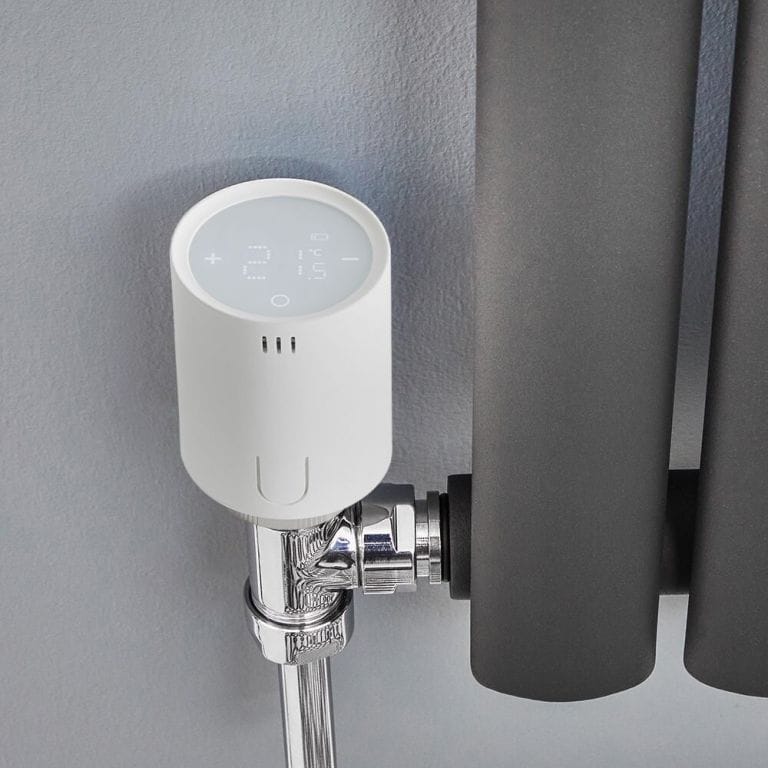
- Smart TRVs
- Room-by-room schedules
- Automated warm-up cycles
Essentially, zoned heating keeps cold rooms at a warm enough level without any wasted energy.
Temperature consistency
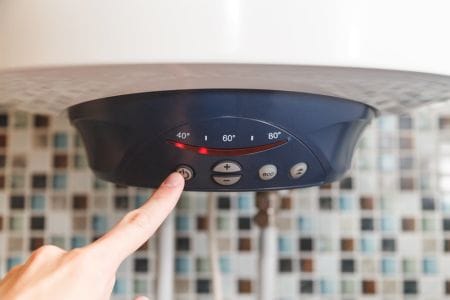
Smart thermostats maintain stable heat instead of allowing rooms to swing between warm and freezing – a major cause of condensation. For instance, smart thermostat scheduling could see the living room heat up to 17 degrees a half hour before you return home from work, before progressing to 20 degrees when you’ll have returned to actually use the space.
Timed boosts and bathroom routines
- Dry bathrooms after showers
- Pre-warm bedrooms before use
- Maintain small background heat cycles
- Trigger warming when humidity rises (with compatible sensors)
Frost protection
Frost protection functionality helps to stop rooms becoming dangerously cold when you’re away from the house. It manages this on an automated basis, heating up to an appropriate temperature as a preventive measure when there is a risk of frost. This feature is especially useful for homeowners that may be away from their property for an extended period of time, to provide peace of mind.
Discover more about all sorts of smart heating settings and how to implement them in our guide, How to set up a smart heating system in your home.
Upgrading your heating system
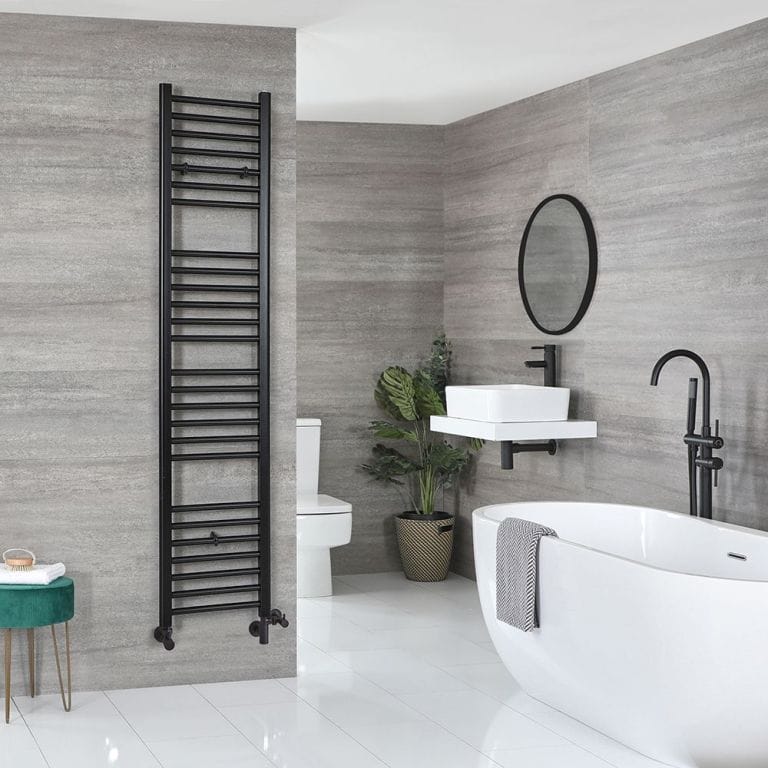
Older radiators and inefficient layouts can increase the risk of condensation by warming rooms up unevenly. Upgrades that help reduce mould:
- Very fast heat-up times
- Great for cold, poorly insulated rooms
- Perfect for unheated rooms
- Provide stable background heat without using the boiler
- Great for cold corners and narrow walls
- Excellent heat distribution
- Keeps bathrooms dry without heating the whole house
Common radiator performance problems
Check your radiators are performing correctly. The presence of a cold, inefficient radiator will only lead to cold surfaces, which create the perfect habitat for the growth of mould.
The BestHeating Advice Centre is packed with resources to help you tackle all kinds of radiator issues, from the most simple to complex. Here are the main radiator problems that directly contribute to damp:
Cold spots
Cold spots on a radiator are typically caused by trapped air or radiator sludge.
Cold patches will keep the wall cold, leading to condensation and mould behind the radiator.
Solutions to radiator cold spots can be found in our expert guides:
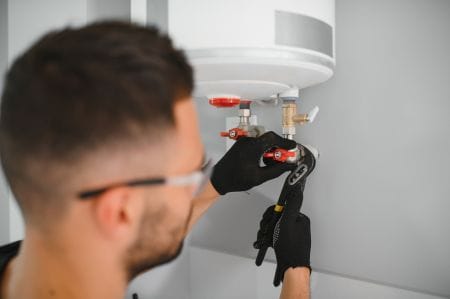
Leaking radiator valves
Even the smallest of drips can cause damp patches underneath or behind radiators.
Check out the following guides for advice on repairing a leak:
Radiators turned off in unused rooms
Radiators being switched off in rooms that aren’t used very often can subtly prove to be one of the biggest accelerators of mould. These rooms become colder than the rest of the house as moisture migrates and condenses. Try to remember to show some love to your radiators in unfrequented rooms now and again to avoid such issues.
Mould behind radiators
Mould can accumulate behind radiators and often remain hidden for months without realisation. Inspect behind radiators, especially in rooms used less frequently, and clean where you notice signs of mould. The type of model it is may affect how you clean a radiator, but a long-handled brush or stick is usually helpful, along with a hairdryer and sponge or cloth.
Frequently Asked Questions
Does having the heating on help with damp and mould?
Yes. Having the heating on – or the likes of electric radiators from time to time in less frequently used rooms – raises wall temperatures. This in turn helps to prevent condensation, which is the root cause of mould.
What temperature should my house be to avoid mould?
You should look to maintain a temperature of 18-20°C in main rooms around the home and aim for 16-18°C settings where possible in unused rooms.
Can keeping your house too cold cause mould?
Absolutely. Cold surfaces attract moisture instantly, so you should always keep your radiators ticking over, especially in rooms that are unused a lot of the time.
Is 70% humidity too high for a bedroom?
Yes, mould thrives at humidity levels above 60%. Ideally, indoor humidity should be no higher than 40-60% to prevent condensation and the growth of mould.
Will heat dry out damp walls?
Heat will help in drying out damp walls, but you must address the root cause (excess moisture, cold walls, leaks) to create a healthy, mould-free environment. Do radiators remove damp?
Designer radiators help to prevent damp, but they can’t remove damp that is caused by leaks or structural issues.
Keep your home warm and mould-free with BestHeating
With the use of consistent heating, efficient radiators and smart temperature control, damp and mould don’t stand a chance. By stabilising temperatures, warming up cold rooms and ensuring your radiators are delivering their optimal performance, you can keep your home healthy, dry and winter-ready.
Let us know how you keep your home mould-proofed to the max in the comments, or by reaching out to us on Instagram, Facebook or X.

John is a Research Specialist for the Best Heating Advice Centre, where for over nine years he has dedicated himself to demystifying home heating for our customers. He specialises in creating clear, data-driven guides and how-to articles by collaborating directly with our team of certified heating experts and product engineers.
His work, built on a foundation of journalistic research, has helped millions of readers make confident and informed decisions about their home heating. When he’s not breaking down the heat output differentials from radiators to heated towel rails, John fancies himself as a fine football and music connoisseur.