Contents
ToggleWhat we'll cover...
This guide will cover just how much electricity an electric fire uses, how its wattage affects running costs, and what you can expect to pay based on real-world examples. We’ll explain why electric fires are so efficient at the point of use, how the flame effect uses only a tiny amount of power, and how a 1000W heater differs from a 2000W model in practical terms. You’ll also learn how to calculate your own running costs using a simple formula, discover energy-saving tips to keep bills lower, and see how these models compare to central heating in terms of heating strategy and cost control.
Measuring the electrical use in electric fires
With ever fluctuating energy costs, knowing exactly how much electricity your appliances use is essential, even more so when it comes to heating. Electric fires are great for quickly warming up and adding ambience to your room without the hassle of traditional gas fireplaces. But if you’re conscious of cost when it comes to home heating, you may be asking yourself, how much electricity does an electric fire use? Well, this all depends on the power settings and how long you run your system for.
For zone heating, an electric fire is an especially efficient choice, and the key to managing your budget is understanding its wattage. In this complete guide, we’ll explain how much electricity is used in comparison with the energy expended by central heating setups.
How electric fires use electricity
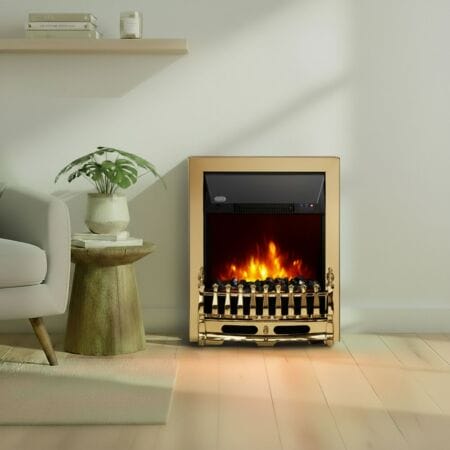
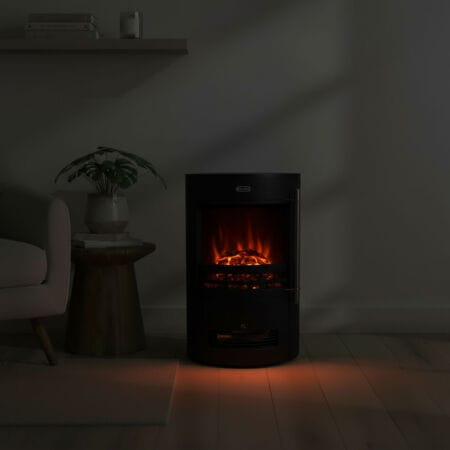
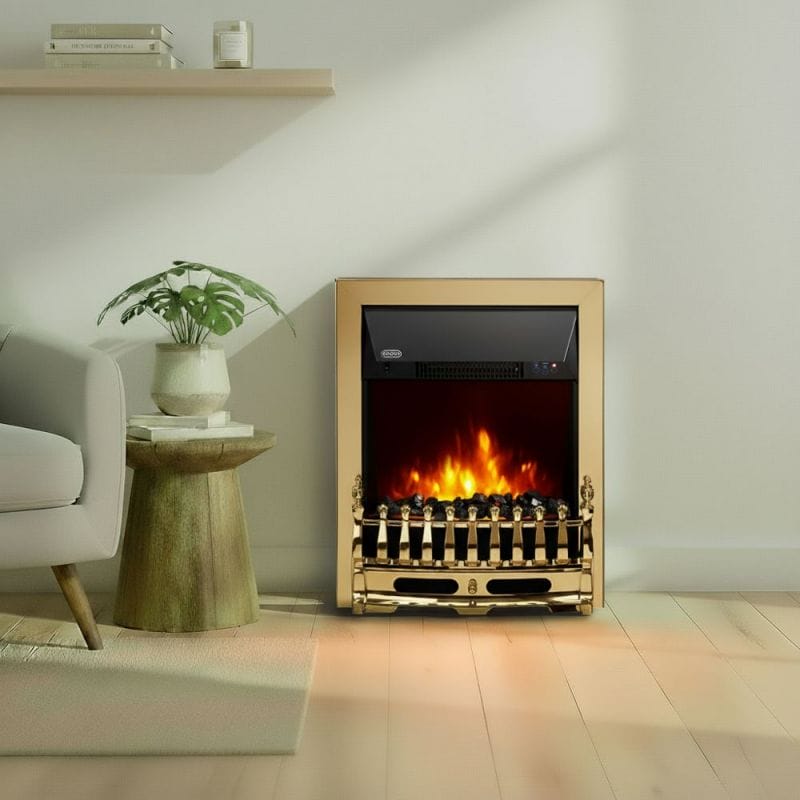
Unlike gas, an electric fire will convert 100% of the electricity it uses into heat, providing an energy efficient way to create a warm and cosy space. The main deciding factor when working out your electricity consumption is the wattage of the heat setting you select.
Most electric fireplaces deliver a heat output between 1000W and 2000W. The heat function is where the most electricity is consumed. Running a fire on the 2000W setting for one hour uses twice as much electricity as running it on the 1kW setting for the same amount of time.
So that’s the heat aspect covered, but what are the running costs of the decorative flame effect? When using your electric fireplace without the heat function, the energy usage is minimal, and is typically around the 30W mark, meaning you can enjoy the relaxing ambience for pennies.
At BestHeating, our electric heating meets Lot 20 energy standards. This ensures all newly manufactured electric heating products are designed to meet minimum efficiency standards, reducing emissions and helping homeowners save money on energy bills. For further information, read our Lot 20 explained heating guide.
Common power ratings for electric fires
When shopping for your new electric fireplace, you will mainly see two power ratings, 1000W and 2000W.
Here’s a quick overview of a 1000W vs 2000W electric heater:
1000W electric fires are ideal for heating small rooms and providing additional warmth. They are cheaper to run on a per-hour basis.
2000W versions are best used in short bursts to quickly reach a set temperature and are great for larger rooms, however they have a higher running cost per hour.
You most likely won’t run a 2000W electric fire at full power continuously. Some designs feature a smart thermostat that automatically turns off the heating element once the desired room temperature has been reached. This means the running cost is lower as the heater cycles on and off to maintain the temperature.
Make use of smart heating accessories to help manage your energy use and reduce bills.
How to calculate electricity use for electric fires
Calculating the cost to run an electric fire is easy enough. All you need is two pieces of information – the power setting and your current electricity unit rate (£/kWh). Make sure to check your latest energy bill for the correct rate.
Here’s the formula to calculate the cost to run an electric fire:
Cost = Electricity used (kW) x Time (hours) x Unit rate (£ / kWh)
Running a 1kW electric fire for 4 hours at a unit rate of £0.30 per kWh would cost you £1.20
Cost = 1kW x 4 hours x £0.30 / kWh = £1.20
Running a 2kW electric fire for 2 hours at a unit rate of £0.30 per kWh would cost you £1.20
Cost = 2kW x 4 hours x £0.30 / kWh = £1.20
Use our BTU calculator to help you to calculate your heat output requirements, so you can create a perfectly cosy room, increase the efficiency of your heating and take control of your energy bills.
How to reduce electric fire running costs
With some simple yet effective tips, you can maximise the efficiency and minimise the running costs of your electric fire…
Zone heating – rather than switching on your central heating, just heat the room you’re in for focused warmth where you need it.
Adjust the flame brightness – If your fire has an adjustable brightness, lowering it slightly can reduce the energy draw of the flame effect.
Close doors and windows – this will help to minimise heat loss. If warm air is constantly escaping, the system will have to run continuously.
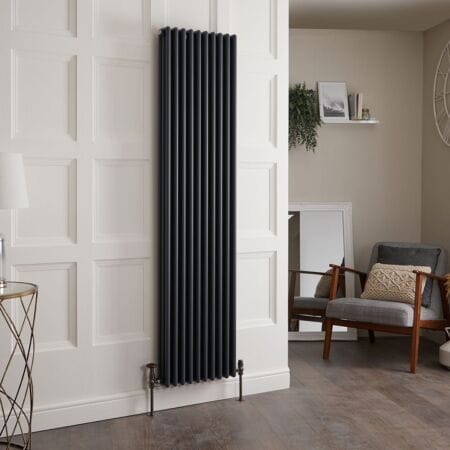
Improve insulation – make sure curtains are closed at night and consider using radiator reflectors behind any radiators to bounce the heat back into the room, helping to reduce the total time your electric fire needs to run.
Electric fire vs central heating energy use
Although electric fires are 100% efficient at converting electricity into heat, they are not designed to heat your entire home continuously. Your central heating system is more likely to be cost-effective for whole-house heating, depending on current gas and electricity prices.
Electric fires come into their own when used for:
- Additional heat – quickly warming up a chilly room such as the lounge
- Shoulder seasons – creating warmth in spring/autumn without switching on the boiler
- Cost management – heating a single room rather than your whole house
Maximising electrical usage with electric fires from BestHeating
For targeted use, an electric fire gives you a highly efficient and effective way to warm up your space. By understanding the difference between 1000W and 2000W power ratings and applying the simple cost formula, you can easily integrate an electric fire as part of your home heating without any surprises on your energy bill.
Compare energy efficient electric fires from BestHeating and find the perfect one to warm up your space. And don’t forget to let us know about your choice in the comments, or via Instagram, Facebook or X.
John is a Research Specialist for the Best Heating Advice Centre, where for over nine years he has dedicated himself to demystifying home heating for our customers. He specialises in creating clear, data-driven guides and how-to articles by collaborating directly with our team of certified heating experts and product engineers.
His work, built on a foundation of journalistic research, has helped millions of readers make confident and informed decisions about their home heating. When he’s not breaking down the heat output differentials from radiators to heated towel rails, John fancies himself as a fine football and music connoisseur.