Contents
ToggleWhat we'll cover...
- The quick checks you can safely perform before calling an engineer
- The most common technical causes (such as diverter valve faults and airlocks)
- Cost estimates for parts and repairs
- Safety advice on when to call a Gas Safe registered engineer
Why radiators can stay cold with the heating on
If your radiators are staying cold despite the boiler firing up just fine, there’s no need to panic. This is one of the most common complaints surrounding combi boilers in the UK, especially during autumn when the heating is typically turned back on for the first time in months.
The good news? Usually, it’s nothing major. In many cases, it’s just a small fault, an incorrect setting, or a pressure issue that can be fixed in minutes.
In this guide, we’ll offer all the expert troubleshooting tips you need to get your radiators warming up again, whether the problem exists within your boiler, your radiator valves, or somewhere in between.
Why do I have hot water but no heating?
The issue of having a working hot water supply but no heating happens most frequently with combi boilers, which deliver both heating and hot water from a single unit.
If you’re getting hot water but no central heating, your boiler is likely:
- Failing to switch correctly between its hot water and heating functions, or
- Being prevented from heating water for the radiators because of low pressure, stuck radiator valves, or control issues.
In conventional and system boiler setups (which utilise a separate hot water cylinder), the problem can also be caused by motorised valve faults, airlocks, or a build-up of sludge which restricts flow.
So, before you call in the plumbing cavalry, let’s start with some quick wins to see if you can get up and running with relative ease.
Four simple troubleshooting checks
These are the four quickest checks that will solve most “combi boiler hot water but no heating” scenarios…
1. Is your thermostat turned on and set correctly?
Start simple. We can all be a bit forgetful at times. Before you spend hours tinkering with the boiler, make sure the thermostat is switched on and calling for heat around the house.
Check that your thermostat:
- Is turned on and set above current room temperature
- Has working batteries if it’s a wireless device
- Displays an active connection to your boiler receiver (look for the “signal” light)
Some smart thermostats can occasionally lose connection to the boiler hub after a power cut or a WiFi router reboot. Re-pairing the device will typically resolve the issue. (See your included installation guide or in-app guidance for instructions on how to successfully re-pair).
John Lawless, digital content manager at BestHeating says: “Try turning the thermostat up to 25°C temporarily. If the boiler cranks up, your thermostat or timer setting was the culprit.”
2. Is your boiler pressure too low?
Combi boilers are reliant on water pressure to transport heat through the system. If it drops too low, the heating won’t work, though you might still receive a hot water supply.
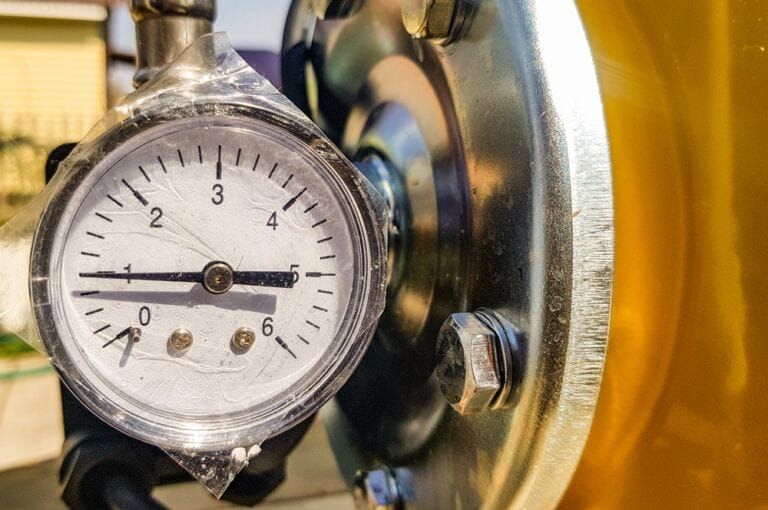
Check the pressure gauge on the front panel of your boiler:
- A healthy system should read between 1.0 and 1.5 bar when cold
- Below 1 bar? The pressure level is too low for the boiler to safely run heating
Re-pressurising your boiler is a safe and simple task if performed correctly. Use the filling loop (typically a small silver hose beneath the boiler) to add water until the gauge reaches around the 1.2 bar level, then restart the system.
If the pressure drops repeatedly, it signifies there may be a leak somewhere in the system, and you should contact a qualified engineer.
3. Has the boiler reset itself, or is it showing a fault code?
Modern boilers are clever, but can occasionally be too clever for their and our own good. That said, they’ll automatically shut down for safety reasons if something seems off.
Check for:
- Fault codes or flashing lights on the boiler display (boiler manuals will indicate what specific fault codes mean)
- The heating light being off despite the timer or thermostat calling for heat
A simple reset (again following manufacturer instructions) can often clear the fault and restart the heating function.
However, if the same fault keeps recurring, it could indicate component trouble, such as a sensor, pump, or PCB fault (printed circuit board).
4. Are your radiator valves open?
Though it might sound obvious, radiator valves – especially TRVs (thermostatic radiator valves) – can sometimes stick closed after months of inactivity.
- Turn each TRV anti-clockwise fully
- Unscrew one TRV head and press the small metal pin underneath – it should spring back up
- If jammed, gently tap the valve body with a soft tool to free it
If your radiators heat up following this, problem solved! If not, the issue probably lies within the boiler itself.
If you’ve had no luck with the initial checks, the next step is to investigate the four most common causes, as our experts explain how to resolve your central heating issues.
Common cause 1: Stuck diverter valve
A diverter valve represents a key component in combi boilers – it controls whether hot water is delivered to your taps or your radiators.
When working properly, it “diverts” heat where required. When it fails or is stuck in one position, your boiler will prioritise hot water over heating, leaving your radiators to stay cold in turn.
Signs of a stuck diverter valve
- Hot water works fine, but no central heating
- Radiators only heat up when a hot tap is running
- Flow pipe out of boiler remains cool even with heating switched on
According to Worcester Bosch, a diverter valve failure is counted amongst the top three combi boiler faults in the UK, especially in units that are more than 8-10 years old.
How to check for a faulty diverter valve
- Switch your heating to ON and set your thermostat high.
- Wait for the boiler to ignite.
- Carefully touch (or use a digital thermometer) on the flow pipe emerging from the boiler.
- If it remains cold but the hot water supply is working fine, the valve could be stuck in the DHW (domestic hot water) position.
What to do next
Unfortunately, this one isn’t a plain and simple DIY job. Diverter valves are internal components that require boiler disassembly and refitting, which is a relatively simple job for a qualified plumber.
- A Gas Safe engineer can replace the diverter valve in around 1-2 hours.
- Typical cost: £150-£350, including parts and labour (Checkatrade).
If your boiler is over 10 years old and developing multiple small faults, a new boiler could be a more cost-effective option in the long run.
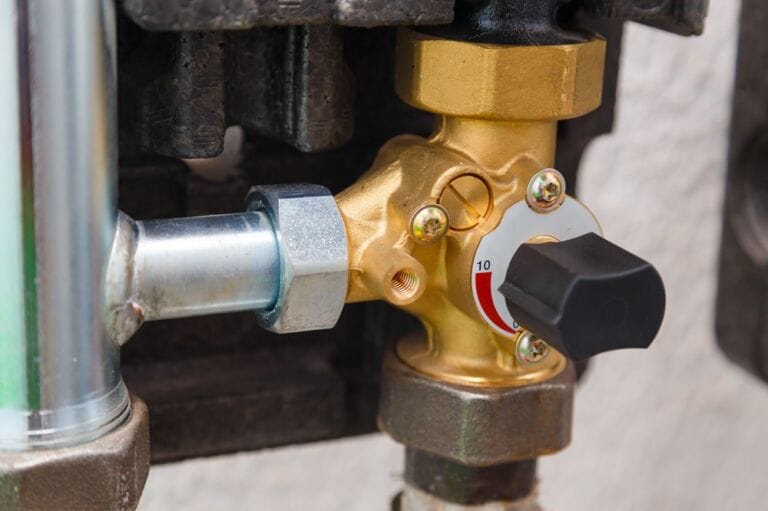
Common cause 2: Faulty motorised valve (system boilers only)
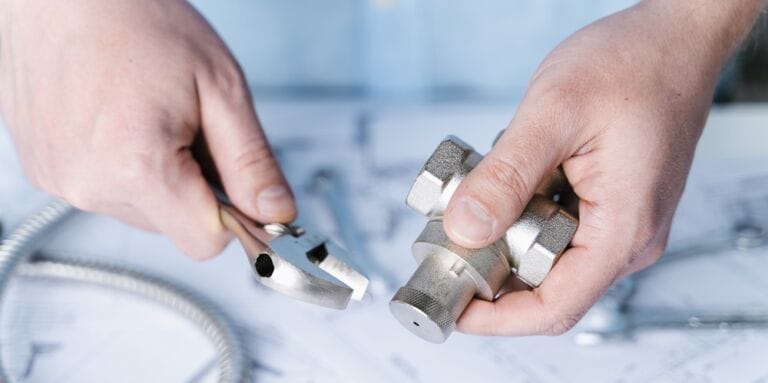
If your home features a system or conventional boiler with a separate hot water cylinder, the issue could lie with the motorised valve (or “zone valve”).
These valves will direct hot water from the boiler, either to your hot water cylinder or your radiators.
Signs of a motorised valve fault
- Heating working on an intermittent basis
- Hot water heats up fine but radiators remain cold
- No “click” or “whirring” sound when switching between heating and hot water
How to check
- Locate the valve (usually nearby your cylinder or airing cupboard).
- Adjust the manual lever – if it is stiff or doesn’t move freely, it might be jammed.
- Check for power to the actuator using a multimeter (if competent, use a professional if not).
What to do next
A stuck motorised valve can, on occasion, be freed manually, but a replacement is often the safest long-term solution.
Replacement cost: £120-£250, including labour (Checkatrade).
Common cause 3: An airlock in the system
Air trapped within your central heating pipes can restrict circulation, preventing radiators from heating properly, even though your boiler is working fine.
How to check for an airlock
- Radiators are hot at the bottom but cold at the top
- You can hear gurgling or hissing sounds from radiators in the system
- Some radiators heat up while others stay cold
What to do next
- Try bleeding your radiators with a radiator key while the heating is turned off.
- Start at the radiator situated furthest away from the boiler and work your way closer.
If you still have issues, there may be a bigger airlock in radiators, the pipework or heat exchanger.
Common cause 4: Radiator sludge
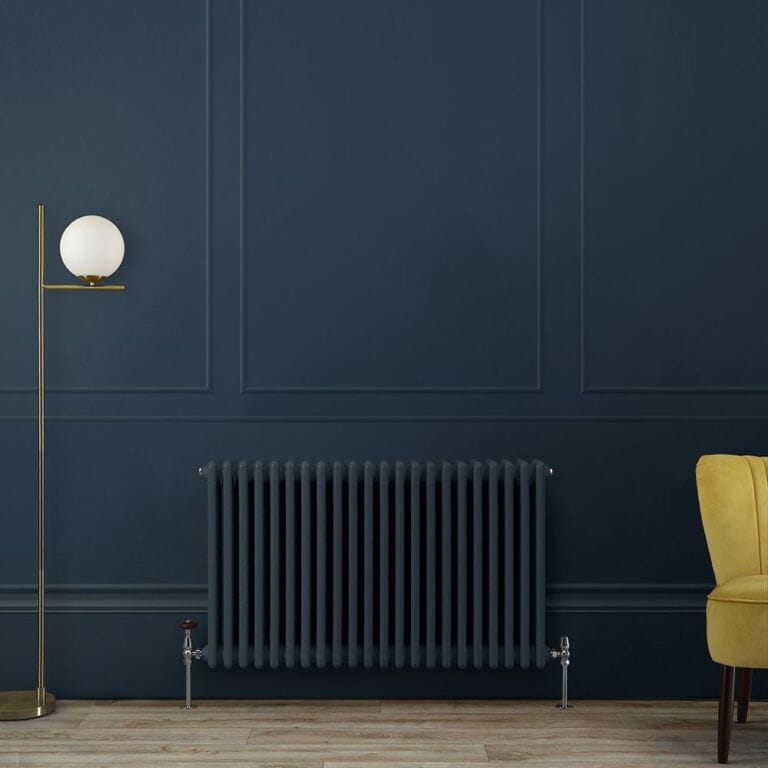
Radiator sludge – that unpleasant dark mix of limescale, rust and dirt – is the silent killer of central heating systems.
When settling into radiators or pipes, it reduces water flow and can block heat entirely in some areas.
How to identify radiator sludge
- Radiators are cold at the bottom but warm at the top
- Kettling noises (like boiling water) emanate from the boiler
- Water that emerges from the bleed valve is dark brown or black
British Gas suggest that sludge buildup is one of the primary causes of uneven heating and boiler inefficiency in older homes especially.
What to do next
- Try flushing a single affected radiator (with the system switched off).
- If multiple radiators are affected, a power flush or chemical flush might be necessary.
- Typical professional power flush cost: £300-£600, depending on system size (Checkatrade).
Following flushing the system, add a central heating inhibitor to slow down corrosion and ensure water remains clear.
Summary: Hot water but no central heating
Likely cause | Type of fix | Difficulty | DIY-friendly? |
Thermostat setting or connection | Reset or re-pair thermostat | Easy | ✅ |
Low boiler pressure | Repressurise to 1–1.5 bar | Easy | ✅ |
Fault code or lockout | Reset boiler following manual | Easy | ✅ |
Stuck TRVs or valves | Free valve pin manually | Easy | ✅ |
Diverter valve failure | Replace internal component | Moderate | ❌ |
Motorised valve fault (system boiler) | Replace actuator | Moderate | ❌ |
Airlock in system | Bleed radiators / system | Easy–Moderate | ✅ |
Radiator sludge | Flush or power flush | Moderate | ⚠️ Professional recommended |
Still no heating? What to do next...
If you’ve tried all the previous steps and still have hot water but no heating, it’s time to accept defeat and call in a Gas Safe registered engineer. They’ll be able to check:
- The PCB (Printed Circuit Board)
- The pump (if it’s seized up or faulty)
- Temperature sensors or thermistors
- Any wiring faults between the thermostat and boiler
Never remove the boiler casing or attempt to perform electrical checks unless you have the relevant qualifications. Gas and electrical components require professional handling.
Expert troubleshooting tips from BestHeating
The majority of “boiler on but radiators not heating up” issues stem from something small, such as pressure, settings or valve issues. But if you’ve worked your way through the simple stuff and your heating’s still not responding, don’t delay in calling a Gas Safe engineer. Leaving faults and issues unresolved can place a strain on the system and lead to bigger (and more expensive) repairs.
At BestHeating, we help homeowners get more from their heating with expert troubleshooting, step-by-step guides and advice from trusted specialists. Check out our Advice Centre for more. Let us know about how our heating help was put into practice in the comments section below, or reach us on Instagram, Facebook or X.

John is a Research Specialist for the Best Heating Advice Centre, where for over nine years he has dedicated himself to demystifying home heating for our customers. He specialises in creating clear, data-driven guides and how-to articles by collaborating directly with our team of certified heating experts and product engineers.
His work, built on a foundation of journalistic research, has helped millions of readers make confident and informed decisions about their home heating. When he’s not breaking down the heat output differentials from radiators to heated towel rails, John fancies himself as a fine football and music connoisseur.