
Contents
ToggleWhat we'll cover...
Gravity-fed heating systems are still prevalent in thousands of UK homes, especially so in older properties. And although they’re reliable, they’re also more prone to airlocks than modern pressurised systems. In this guide, we’ll explain how a gravity-fed heating system works, how to tell if trapped air is causing problems, and the safest, most effective ways to remove an airlock yourself. We’ll cover the simplest fixes, more involved methods as and when needed, and expert tips to help prevent airlocks from returning in the future.
Identifying airlocks in gravity-fed heating
If your radiators are remaining stubbornly cold, your pipes are making gurgling or knocking noises, or only a part of your heating system seems to work, there’s a strong possibility that an airlock is to blame, particularly if your home uses a gravity-fed (open-vented) heating system.
Airlocks are one of the most common issues affecting older heating systems. The good news is that, in most cases, they’re not a serious fault. Essentially, airlocks are simply pockets of trapped air that prevent hot water from circulating properly, and with the right approach, they’re often fixable as a DIY task.
This guide will explain how to identify an airlock, what to do when you do so, when it’s safe to attempt a fix yourself, and when it’s best to pause and seek professional help instead.
How do I know if I have a gravity-fed heating system?
Before tackling an airlock, it’s important to confirm what type of heating system you have set up in your home. The methods used for gravity-fed systems are entirely different from those used on modern sealed systems.
What is a gravity-fed heating system?
A gravity-fed system relies on natural circulation, with hot water rising and cooler water falling through the system. As opposed to being pressurised by the mains system, it’s topped up through a cold-water storage tank, which is typically located in the loft.
These systems provided the standard setup in UK homes for decades and remain common in:
- Victorian and Edwardian properties
- 1930s-1970s houses
- Homes with conventional boilers and hot water cylinders
Key signs you have a gravity-fed system
It is likely you have a gravity-fed system if you have:
- A cold-water storage tank in the attic or loft
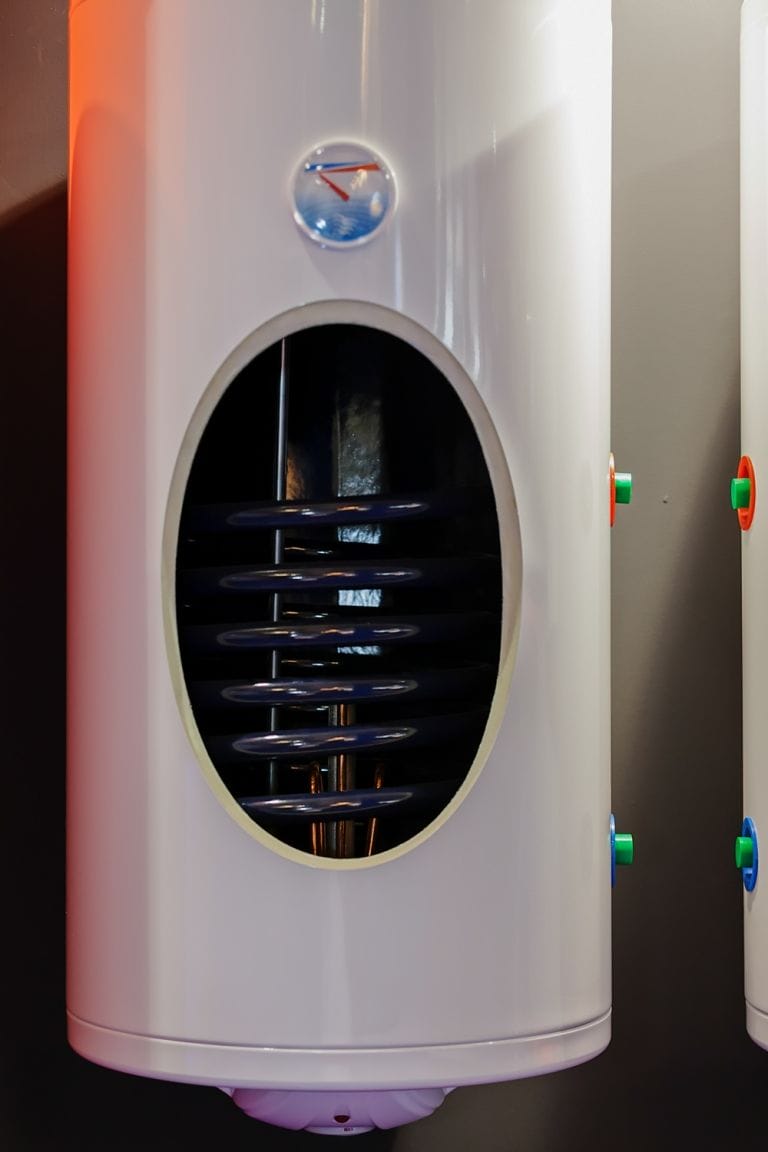
- A hot water cylinder situated in an airing cupboard
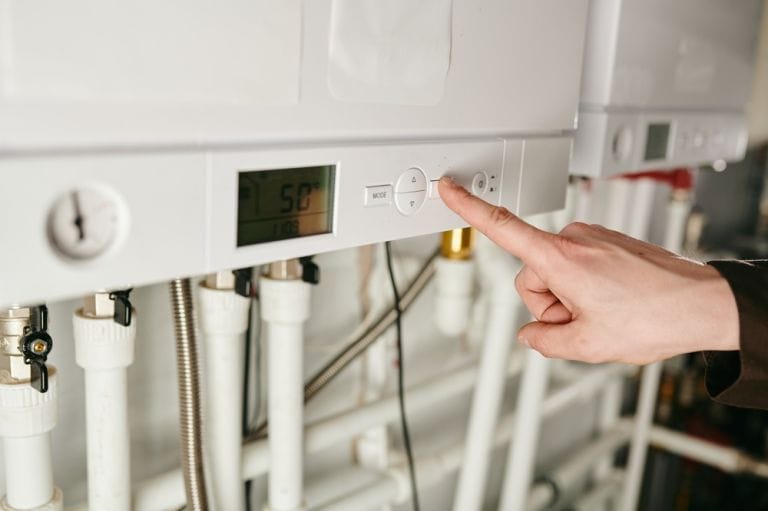
- A boiler with no visible pressure gauge
- No filling loop beneath the boiler
- An open vent pipe which feeds back into the loft tank
Because water travels gently and slowly through these systems, air has more opportunity to get trapped, especially after:
- Bleeding radiators incorrectly
- Replacing radiators or valves
- Draining the system
- Long periods of inactivity (e.g. summer months with warmer weather)
For a broader overview of the main different types of heating systems, explore our resource, Vented and unvented cylinders: Which is right for me?
Signs of an airlock in a gravity-fed system
An airlock forms when air becomes trapped in the pipework, which in turn blocks the flow of hot water. In gravity-fed systems, air tends to collect at high points, bends in pipework, or radiators that are rarely used.
Common symptoms include:
- One or more radiators staying completely cold
- Radiators heating up at the bottom but remaining cold at the top
- Upstairs radiators working while downstairs ones don’t
- Gurgling, bubbling or knocking sounds in pipes
- Very slow heat-up times across the system
If cold radiators are isolated to a single area of the home, the following guide might prove useful: Why are my downstairs radiators not working?
Removing an airlock from a gravity-fed heating system
Before you start:
Setting aside a few minutes to properly prepare works for the prevention of leaks, mess, or further issues.
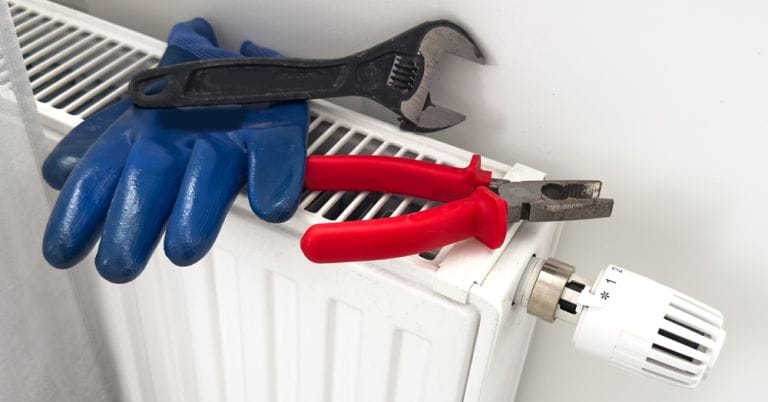
Tools you may need:
- Radiator bleed key
- Old towels or cloths
- Bucket or shallow tray
- Adjustable spanner
- Garden hose (for draining method)
- Flathead screwdriver
Safety tips:
- Switch off the boiler and allow the system to cool
- Protect carpets and flooring
- Never force valves or fittings
- Stop immediately if something doesn’t feel right
Method 1: The cold tap method (best first step)
This is often the simplest and quickest means for clearing an airlock that affects hot water circulation.
Step-by-step instructions
- Locate the hot tap nearest to the hot water cylinder
- Fully open the hot tap
- Slowly switch the cold tap on at the same sink or basin
- Let both taps run together simultaneously for two to three minutes
- Turn off the cold tap first, then switch off the hot tap
Note: If you have a mixer tap setup, seal the spout using a wet cloth or your hand, and switch on the hot tap initially followed by the cold. Leave both taps to run for 5-10 seconds, then turn off the cold tap followed by the hot tap.
Why this works:
The mains-pressure cold water will help to push trapped air through the hot water pipework and back into the loft tank, where it can safely escape.
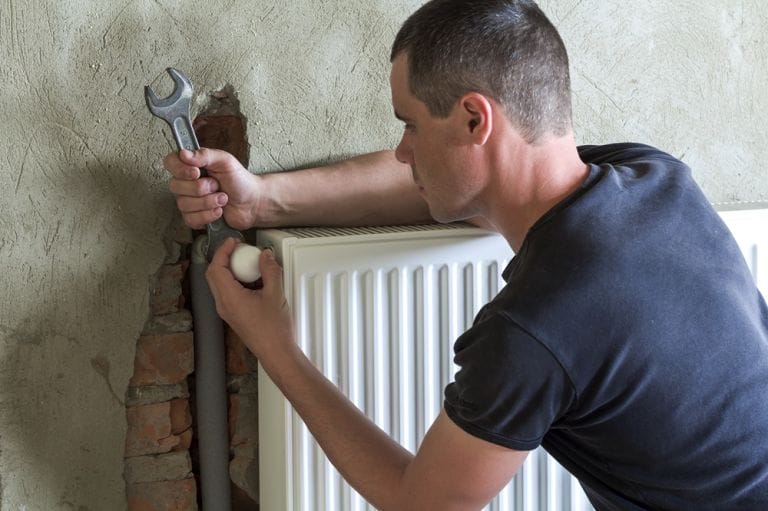
Method 2: Bleeding the radiators (use caution)
Bleeding radiators can help with airlocks but note that gravity-fed systems are more sensitive than pressurised ones.
Step-by-step instructions
- Begin with the lowest radiator in the house
- Slowly open the bleed valve using a radiator key
- Release air until water flows steadily again
- Close the valve firmly (be careful not to overtighten)
- Work upwards, on a floor-by-floor basis
Remember to stop if no water appears after a reasonable amount of time (a couple of minutes). This could signify that you are drawing extra air into the system rather than removing it.
Method 3: Draining and refilling the system (last resort)
If airlocks persist, a partial or full drain-down of the heating system might be required.
Step-by-step instructions
- Switch off the boiler and isolate electrics
- Attach a hose to the lowest drain-off valve on the system
- Run the hose to an external drain
- Open the drain valve and enable water to flow out
- Close the valve securely once the system has drained
- Allow the system to refill naturally via the loft tank
- Carefully bleed radiators as the system refills
This method can also help with heating system noise issues caused by debris or sludge. See: How to cure noisy central heating & radiators
Preventing future airlocks in your system
Once cleared, a few preventative measures can be taken to help stop airlocks from returning:
- Bleed radiators annually before the colder winter months
- Avoid unnecessary system draining
- Keep the loft tank lid clean and secure
- Fix dripping radiator valves promptly
- Balance radiators to improve circulation
Other diagnostics can be found in our guide, Why do my radiators keep filling with air?
Frequently Asked Questions
What is an airlock in a gravity-fed heating system?
An airlock in a gravity-fed heating system is a blockage caused by trapped air, which prevents hot water from circulating properly.
How do you know if you have an airlock?
Cold radiators, uneven heating, and bubbling noises are common indicators of an airlock in a heating system.
Can you repressurise a gravity-fed system?
No. Gravity-fed systems don’t use pressure – they must refill via the loft tank.
Is an airlock the same as a vapour lock?
No. A vapour lock is caused by boiling water; airlocks are, by contrast, trapped air pockets.
How do you drain a gravity-fed hot water tank?
A gravity-fed hot water tank can be drained by isolating the supply and opening the lowest drain-off valve on the system.
Avoid airlock issues with BestHeating
Frequently returning airlocks can be an indicator of a build-up of sludge or debris in the system, poor circulation, and undersized, ageing or underperforming radiators. An upgrade to energy efficient, modern radiators can greatly enhance the heat flow and reliability of a heating system overall. There’s also plenty of resources in the BestHeating Advice Centre such as Identifying and fixing an airlock in your radiator, plus much more, to help combat all sorts of home heating issues.
Be sure to let us know about how you solved your airlock troubles, or show off your modern heating upgrades by reaching out to us on Instagram, Facebook or X.
John is a Research Specialist for the Best Heating Advice Centre, where for over nine years he has dedicated himself to demystifying home heating for our customers. He specialises in creating clear, data-driven guides and how-to articles by collaborating directly with our team of certified heating experts and product engineers.
His work, built on a foundation of journalistic research, has helped millions of readers make confident and informed decisions about their home heating. When he’s not breaking down the heat output differentials from radiators to heated towel rails, John fancies himself as a fine football and music connoisseur.