Contents
ToggleWhat we'll cover...
This guide will explore how eco-friendly heating is evolving for 2026 and beyond, with a clear focus on electric radiators, dual fuel systems, smart heating controls, and efficient modern radiator designs. We’ll look at how each option works, where it performs best, and how they compare in terms of running costs, carbon impact, and long-term sustainability. There’s also practical advice for different property types, insights into UK government incentives, and expert guidance to help you decide which eco heating solution makes the most sense for your home.
Why eco heating is more important than ever
Over time, eco-friendly heating has shifted from a niche concern to a mainstream priority. Rising energy costs, stricter building regulations, and growing awareness of carbon emissions mean homeowners are actively rethinking how they heat their spaces.
In the UK, domestic heating accounts for a significant proportion of household carbon emissions, largely due to reliance on gas boilers. At the same time, the electricity grid is becoming greener year by year, driven by renewables such as wind and solar. This shift has made electric and hybrid heating systems an increasingly attractive proposition. Not just from an environmental standpoint, but from a long-term cost and efficiency perspective as well.
By 2026, eco heating isn’t just about switching technology – it’s about heating smarter too. That means:
- Avoiding unnecessary heat loss
- Heating rooms only when they’re in use
- Using systems that integrate with smart heating controls
- Choosing radiators and heaters that work efficiently at lower temperatures
The result is a home that’s warmer, more controllable, and better aligned with the UK’s low-carbon future.
The best eco heating options for 2026
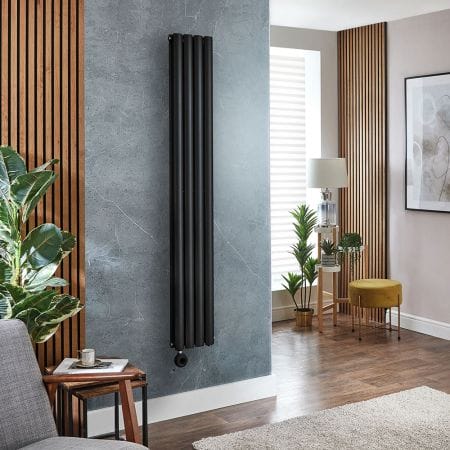
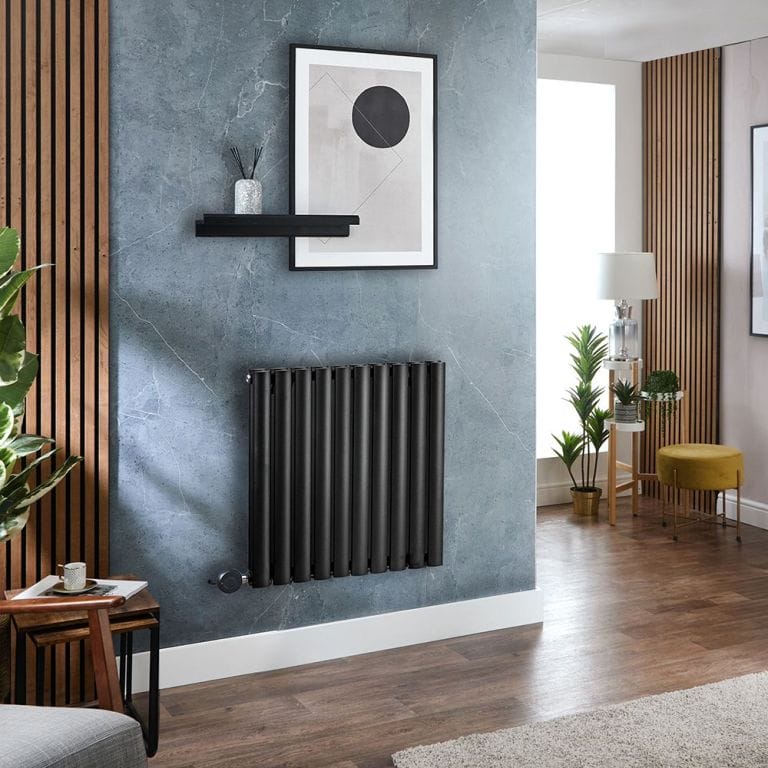
Electric radiators - Low maintenance, zero emissions at point of use
Electric radiators are one of the most accessible and affordable eco-friendly heating upgrades available today, and their popularity is only growing.
Modern electric radiators convert almost 100% of the electricity they use into heat directly, with no flue losses, pipework inefficiencies, or boiler-related waste. At the point of use, they deliver zero carbon emissions, making them a particularly attractive option as the UK electricity scene continues to decarbonise.
Key eco benefits include:
- No reliance on fossil fuels inside the home
- Highly responsive heat, reducing overuse
- Independent room-by-room control
- Compatibility with renewable electricity and solar PV
Electric radiators are particularly effective in:
- Flats and smaller homes
- Home offices and spare rooms
- Extensions and loft conversions
- Properties without a gas connection
From an efficiency perspective, the biggest advantage provided by electric radiators is the opportunity to operate a zoned heating system. Instead of heating the entire house to a single temperature, electric radiators enable you to heat just the rooms you’re making use of – a crucial principle for reducing wasted energy.
For many households, this targeted approach can offset higher electricity unit costs, especially when teamed alongside smart thermostats and timers.
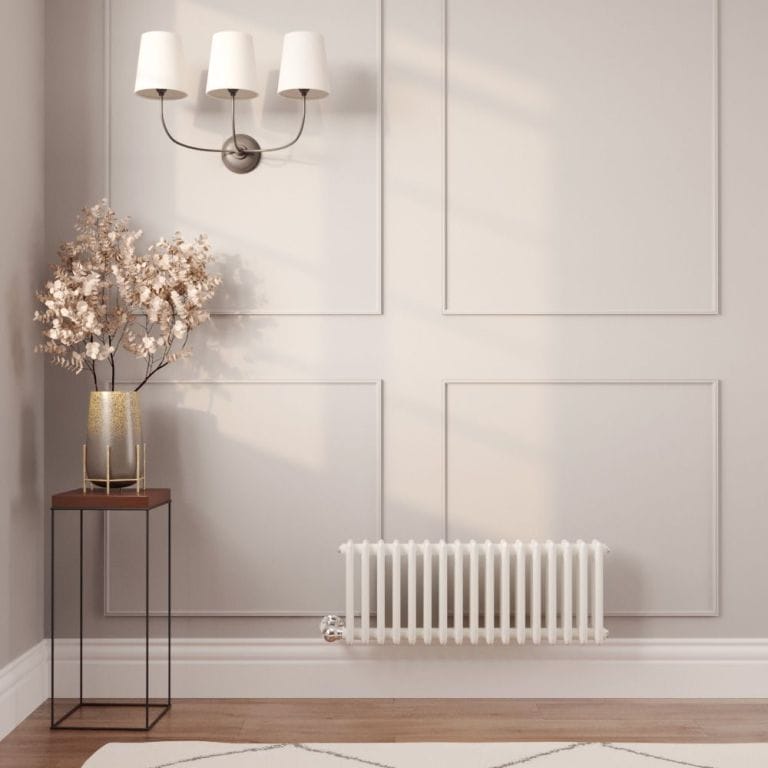
Dual fuel radiators can often be overlooked in eco heating discussions, but they play an integral role for homeowners in search of flexibility as opposed to an all-or-nothing switch.
A dual fuel radiator or heated towel rail works in two ways:
- Connected to your central heating system for winter heating
- Fitted with an electric element for independent use
This allows you to:
- Heat bathrooms or kitchens outside of peak heating season
- Reduce boiler usage during milder weather conditions
- Avoid firing up the whole system for short bursts of heat
From an environmental standpoint, dual fuel radiators help to trim inefficient boiler cycles, which is one of the hidden sources of wasted energy in gas-powered homes. They’re particularly well suited to transitional properties, where homeowners are aiming to lower their reliance on gas gradually, rather than replacing the entire system in one go.
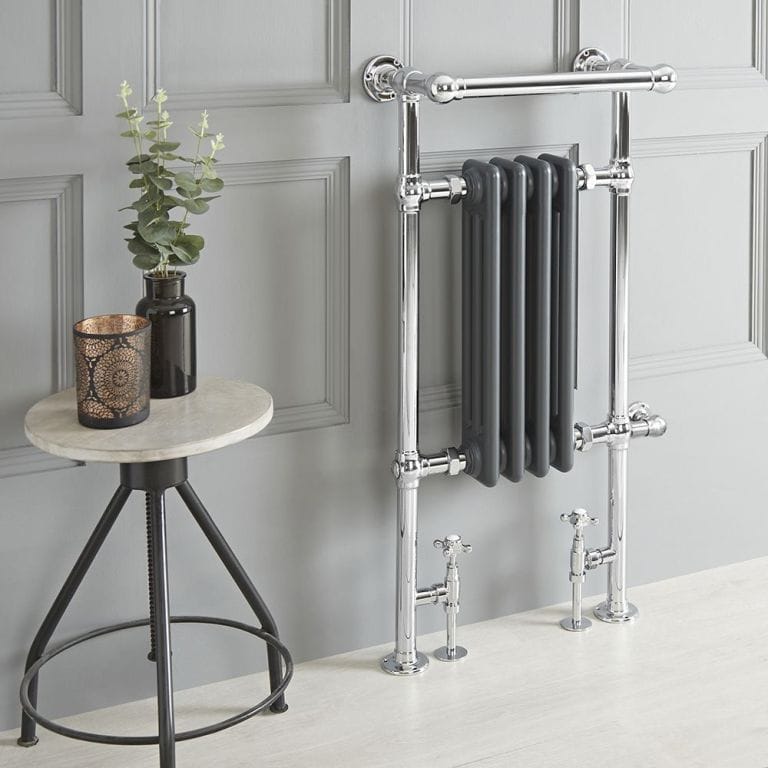
Smart heating - Precision heating, reduced waste
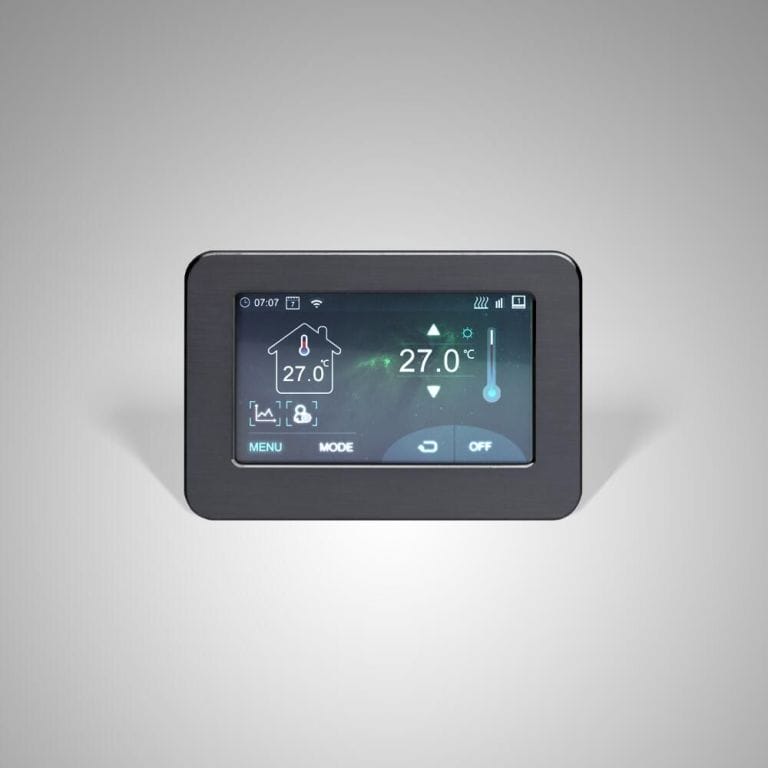
If electric and dual fuel radiators provide the hardware, smart heating controls provide the intelligence.
Smart radiators and smart TRVs offer precise, automated control over how and when heat is delivered. Rather than relying on manual adjustments or one-size-fits-all schedules, smart systems can learn typical usage patterns and respond dynamically.
Eco advantages of smart heating include:
- Lower average room temperatures without loss of comfort
- Reduced heating in unused spaces
- Automatic shut-off when rooms reach target temperature
- Remote control to prevent unnecessary heating
Over the course of a year, even minor improvements in control can result in meaningful reductions in energy use and emissions. For eco-conscious households in 2026, smart heating can be considered a nigh on essential commodity.
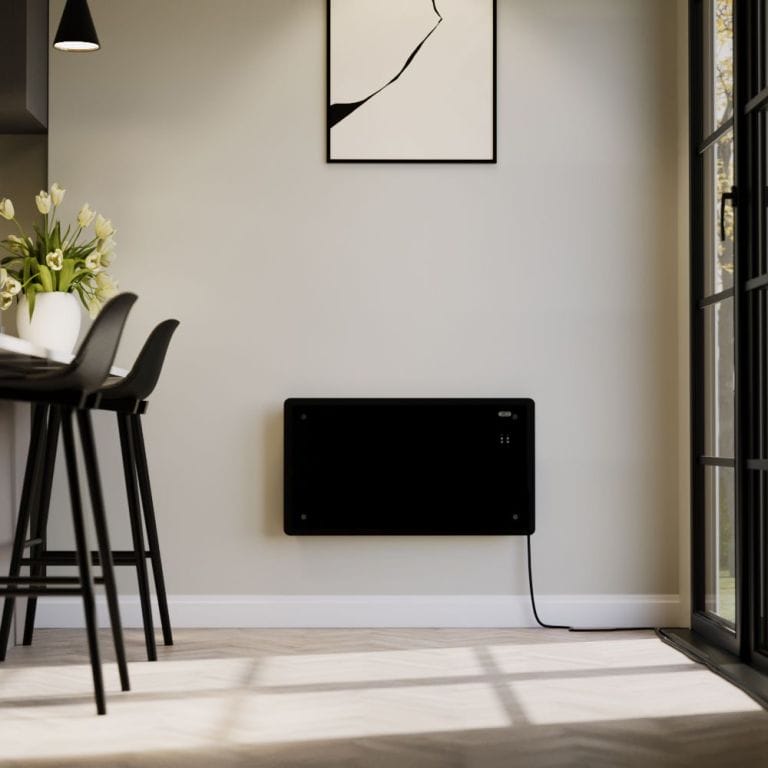
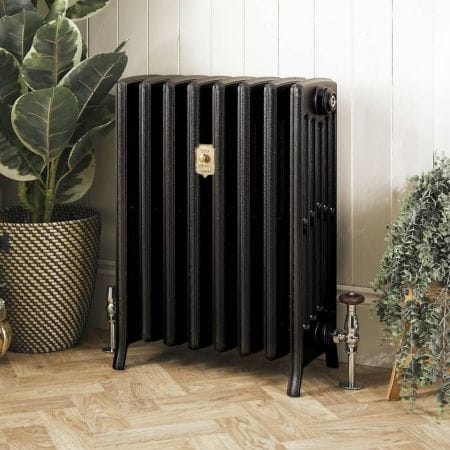
Energy-efficient column radiators - Sustainable heat with timeless style
Eco heating doesn’t mean sacrificing design – and column radiators are a prime example of form combining with functionality.
Thanks to their increased surface area, column radiators:
- Deliver heat efficiently at lower flow temperatures
- Retain warmth longer after heating cycles stop
- Work well with condensing boilers and heat pumps
Lower flow temperatures are especially important in eco systems, as they lower energy demand levels and enhance overall system efficiency. This makes column radiators an excellent option for:
- Period homes undergoing efficiency upgrades
- Large rooms requiring steady, even heat
- Hybrid systems combining gas, electric, or heat pump sources
From a sustainability point of view, it’s not only the heat source that matters – it’s also how efficiently that heat is initially distributed and spread throughout the room.
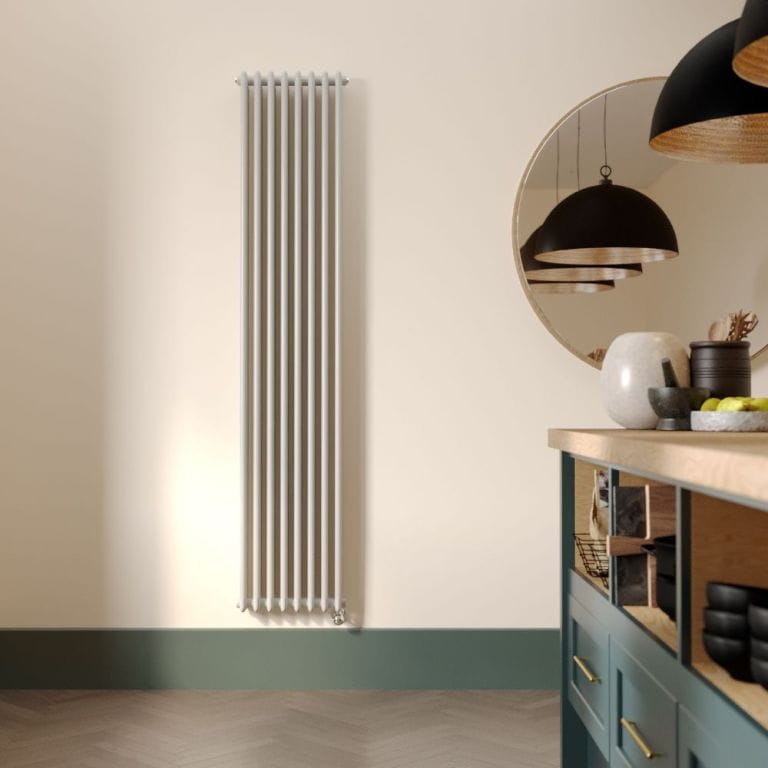
Electric vs gas: Which is more sustainable?
Factor | Electric Heating | Gas Central Heating |
Emissions at point of use | Zero | CO₂ produced |
Grid trajectory | Increasingly renewable | Fossil fuel dependent |
Efficiency | 100% at point of use | 85-95% (modern boilers) |
Best use case | Zoned, room-by-room heating | Whole-home heating |
Long-term outlook | Strong growth | Gradual phase-down |
While gas central heating options may still seem cheaper in some scenarios today, especially so for larger properties, the case for long-term sustainability increasingly favours electric and hybrid solutions, especially as policy, pricing, and infrastructure continue to evolve.
The future of eco heating in the UK
Looking ahead to 2026, several trends are shaping eco-friendly heating decisions:
- Continued decarbonisation of the UK electricity grid
- Government incentives encouraging low-carbon upgrades
- Rising costs and uncertainty around fossil fuels
- Improved performance and affordability of electric heating
- Greater consumer demand for smart, controllable systems
Initiatives such as the Boiler Upgrade Scheme already support low-carbon alternatives, and while heat pumps dominate headlines, electric radiators and smart controls continue to prove the most practical and attainable entry point for many households.
Rather than a single “perfect” solution, the future of eco heating is somewhat modular – combining efficient emitters, intelligent controls, and cleaner energy sources.
Are electric radiators the most eco-friendly option?
In many situations, electric radiators can prove the most eco-friendly option – particularly for zoned heating and low-usage spaces. This is on account of electric radiators producing no direct emissions, having the capability to integrate seamlessly with smart controls, and benefit directly from a greener electricity grid. For whole-house heating, hybrid systems and heat pumps would tend to offer broader efficiency levels on a larger scale, but electric radiators remain one of the simplest and most scalable eco upgrades on the market.
Shop eco-friendly radiators at BestHeating
Eco-friendly heating in 2026 is about flexibility, control and efficiency, and not merely swapping one fuel source for another. No matter if you’re upgrading a single room or planning a long-term switch away from gas solutions, modern electric, dual fuel, and smart radiator solutions provide you with the tools to reduce waste, lower emissions, and remain comfortable all year round.
Explore eco-friendly radiators and smart heating solutions at BestHeating, or dive deeper into our Advice Centre for expert heating guidance tailored to your home. And don’t forget to let us know about your eco-friendly heating upgrades in the comments below, or by reaching out to us on Instagram, Facebook or X.

John is a Research Specialist for the Best Heating Advice Centre, where for over nine years he has dedicated himself to demystifying home heating for our customers. He specialises in creating clear, data-driven guides and how-to articles by collaborating directly with our team of certified heating experts and product engineers.
His work, built on a foundation of journalistic research, has helped millions of readers make confident and informed decisions about their home heating. When he’s not breaking down the heat output differentials from radiators to heated towel rails, John fancies himself as a fine football and music connoisseur.