Up to 30% off selected heating + an extra 10% off over £500 with code SAVE500

How to install an electric fire

Get an AI article summary

In this guide, we’ll outline everything you need to know about how to install an electric fire safely and legally in your home. We’ll cover the different types of electric fires and their installation requirements, explain when a DIY approach is perfectly fine and when UK regulations mean you’ll need a qualified professional, and outline the essential pre-installation checks to ensure your electric fire fitting runs smoothly. We’ll also provide a clear, step-by-step fitting guide and expert tips to avoid the most common installation mistakes, so you can enjoy cosy, efficient heat with total peace of mind.

Electric fire installation tips

Electric fires provide a quick and easy way to add warmth and ambience to your room without the hassle of a traditional gas fireplace. Unlike a gas fire or a wood burner, most electric fires are designed for simple DIY installation. However, to ensure safety and compliance, some types of electric fire require specific preparation or the support of a qualified professional.

This guide offers a clear step-by-step breakdown of how to safely install the various types of electric fires, explaining when you can do it yourself and when the assistance of a professional is required.

Do you need a professional to install an electric fire?

In short, it all depends on the type of electric fire and how it’s wired. Most electric fires are DIY-friendly and require no professional help. Freestanding electric fires and wall-mounted designs typically include a standard UK plug, so you can simply plug in and go.

That said, professional installation is required for electric fires that are hardwired and when fitting into a media wall or stud wall…

Hardwired: Any installation that requires removing the 3-pin plug and directly connecting the fire into the household circuit, for example, spurring off a fused connection unit. This type of work is subject to electric fire regulations UK (part P of the Building Regulations in England and Wales).

Stud wall/media wall installation: If you’re building a new recess or altering the wall structure to install an inset fire, especially if new wiring, cable chasing or structural work is involved, then you’ll need to a hire a professional.

Types of electric fires and installation requirements

Depending on the type of electric fire you choose, the installation process can vary. Here we’ll explore the various types of electric fires and their installation requirements…

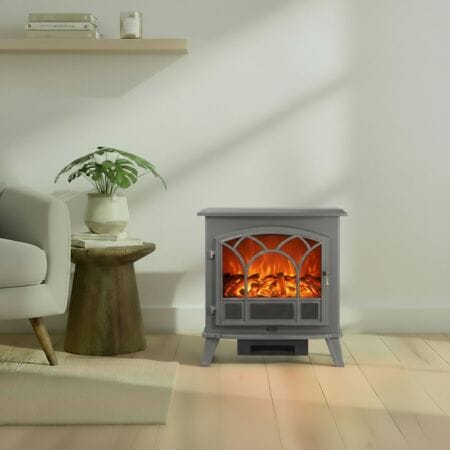
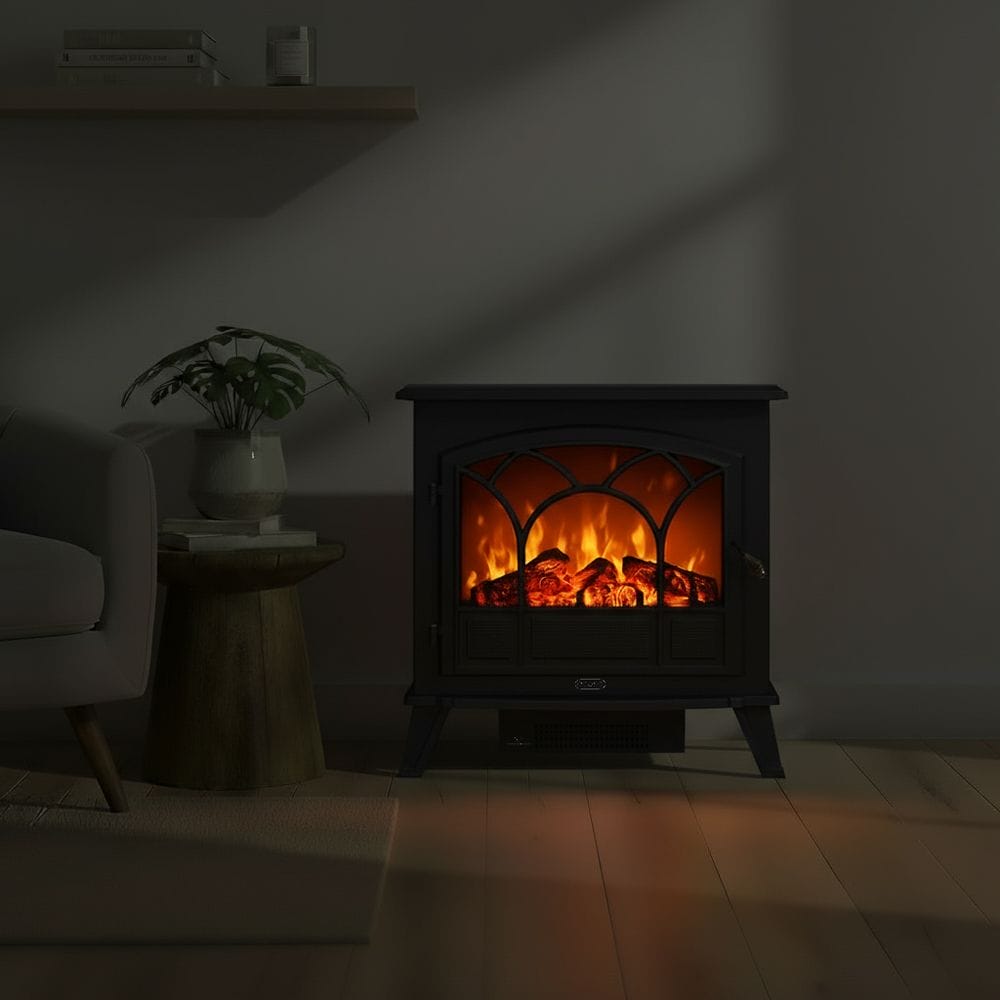
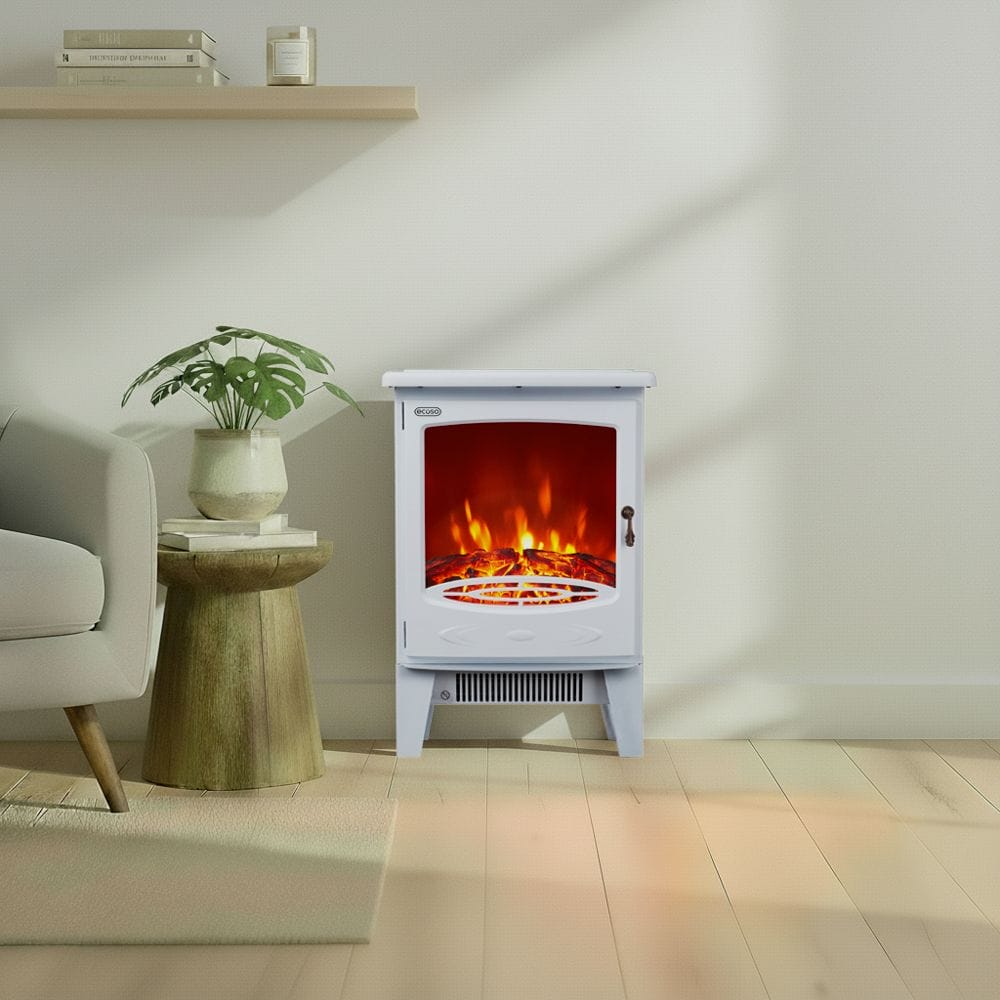
Freestanding electric fires: The easiest type to install, these are positioned directly on a hearth or the floor with a simple plug-in installation.

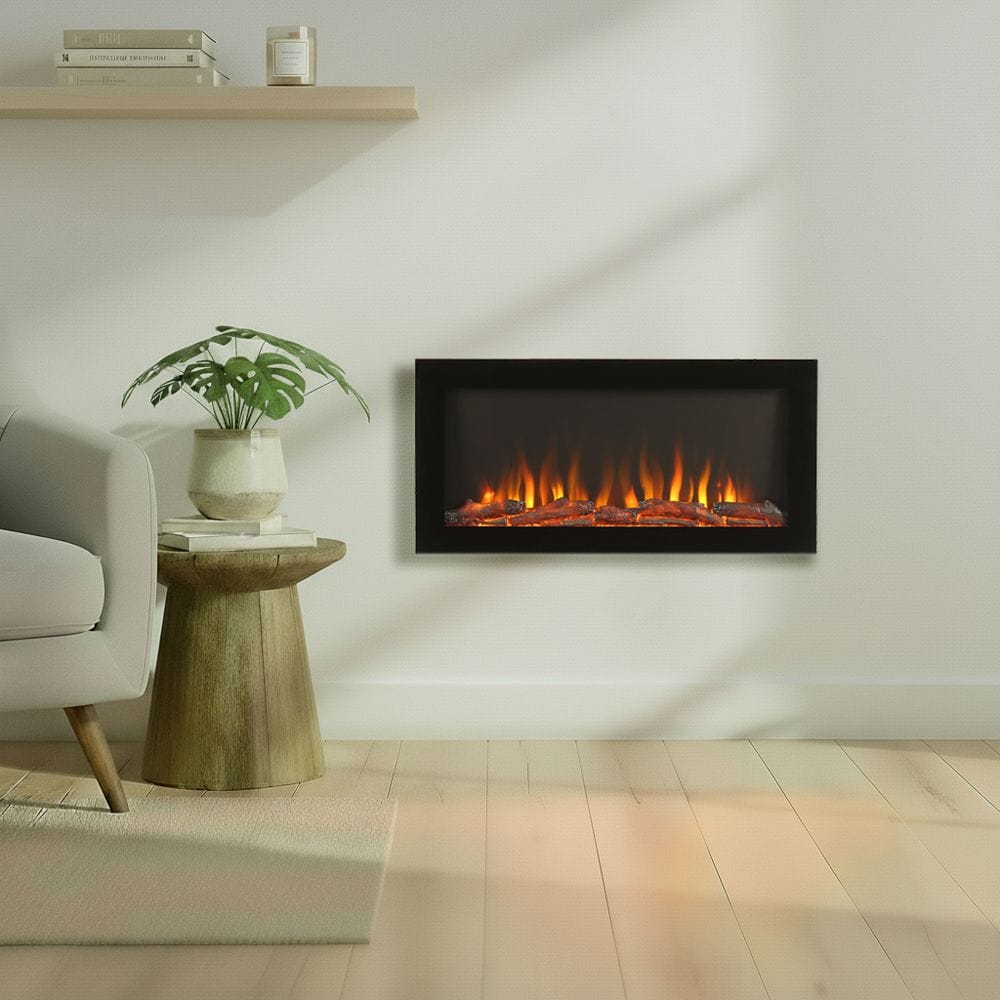
Wall-mounted electric fires: These require drilling brackets into the wall and are DIY-friendly if plugging-in, otherwise a qualified electrician is required for hardwiring.

Inset electric fires: Easy to fit with a plug-in installation, this type fits into an existing fireplace or surround.

Media wall electric fires: These are typically installed within a custom-built media wall and so installation is more complex due to the construction of the stud wall and integration of the TV. Ventilation also requires careful planning with media wall electric fires.

Electric fire pre-installation checklist

Before you even take your new electric fire out of the box, a little preparation goes a long way to ensuring a safe and compliant installation. The power source and wall type are just a couple of points to bear in mind before starting to install your electric fire. Here’s a pre-installation checklist to help things run smoothly…

Power source location: Make sure to check the electric fire cable can reach the closest socket without strain.

Wall type: for a wall-mounted or inset fire, check the wall is structurally sound and is constructed from a suitable material, for example, masonry or timber stud work that can support the weight. You will also require the correct type of wall fixings and plugs.

Clearances: Refer to the manufacturer’s minimum safe distances for your electric fire. There needs to be sufficient space for the rising heat above the unit. Make sure the air vents will not be blocked, which can lead to overheating and damage.

Fire surround compatibility: if you have a fire surround or hearth, check the electric fire dimensions and fixing points are in perfect alignment.

Weight and support: Check the weight of the fire and ensure the wall can safely support it.

Electric fires DIY step-by-step installation

This step-by-step installation process can be followed for most plug-in wall-mounted and freestanding electric fires.

  1. Unbox and check your electric fire and components, including the power cable and fire unit. Always follow the manufacturer’s instructions for general guidance.
  2. For wall-mounted fires, hold the mounting bracket up to the wall, making sure that it’s level and mark the drilling holes. Pay attention to the recommended height. Using the correct drill bit, drill the holes for your wall type. Secure the bracket to the wall using the supplied or suitable fixings.
  3. For an inset fire or if you’re wanting to conceal the cable for a wall-mounted model, you will either need to channel the cable into the wall (this requires professional help) or drill a small hole directly behind the fire to feed the cable into the plug socket. The cable should not be taut when the fire is fitted.
  4. To mount the fire, carefully lift the unit and hang it onto the secured wall bracket, ensuring that it’s level and sits snugly against the wall.
  5. Once the fire is fitted to the wall, plug it in and test the functions, such as the flame effect and heat settings, are working correctly.

Electric fire installation do's and don'ts

Here’s a quick safety check to prevent common errors during DIY electric fire installation:


Do:

  • Check the structural integrity of the wall
  • Use a surge protector or a dedicated socket
  • Check the cable tension is slack and safe
 

Don’t:

  • Attempt any hardwiring, unless you’re a qualified electrician
  • Install the fire directly below a plug socket
  • Install the fire in a room that’s too small for the heat output
  • Install near a water source without professional guidance
 

BestHeating tip: Fit your electric fire so that the bottom of the visible flame effect is at a comfortable viewing height – around 100cm-150cm from the floor. Refer to the manual for minimum base clearances.

Complete your electric fire installation with BestHeating

With careful planning, installing an electric fire is a rewarding and manageable home improvement project that will effortlessly complement your existing setup of radiators or any other home heating vice. By using a pre-installation checklist, the correct tools and adhering to safety guidelines, you can easily create a stunning focal point and create a warm, cosy space.

Remember, if the project involves building new stud work or touching the main household wiring, always hire a professional to ensure full compliance with UK electric fire regulations.

Browse our collection of electric fires online today and bring instant cosy warmth to your space. And don’t forget to show us your electric fire upgrades by reaching out on Instagram, Facebook or X.

Leave a Reply

Your email address will not be published. Required fields are marked *

More Articles